
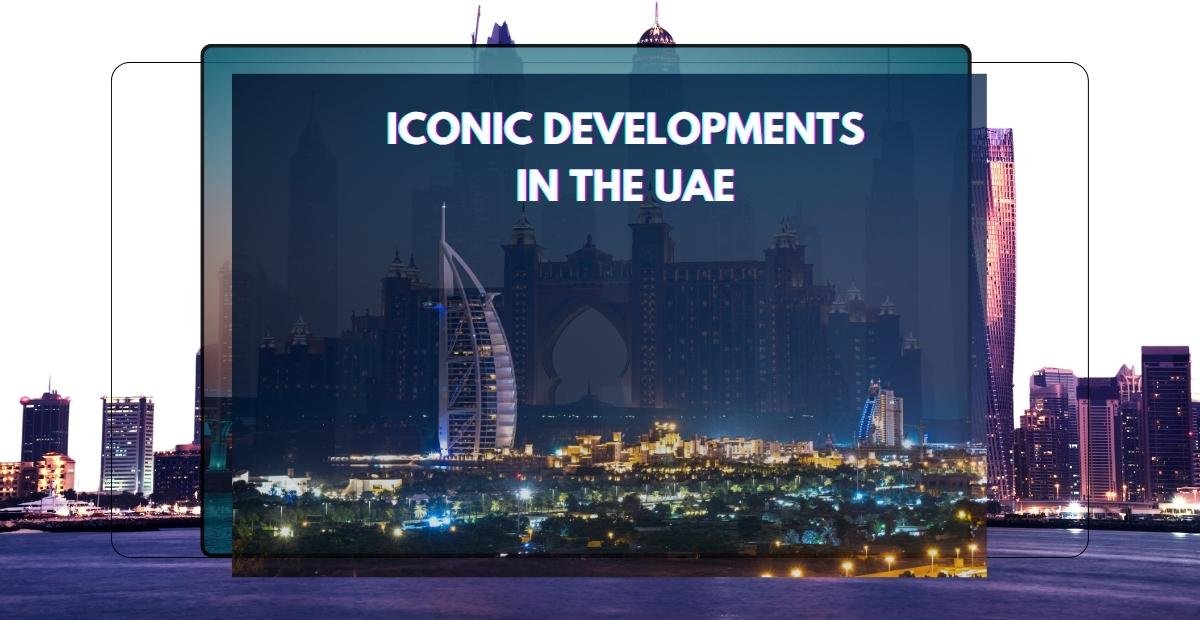
Top Iconic Developments in the UAE | MyRealEstateProp
Last updated on March 20th, 2026 at 12:55 pm
The UAE has transformed its skyline into a global symbol of innovation, luxury, and architectural brilliance. From record-breaking skyscrapers to futuristic cultural landmarks, the Top Iconic Developments in the UAEshowcase the nation’s vision for the future. These projects are more than just stunning structures; they represent cutting-edge technology, smart infrastructure, and sustainable design. Whether you’re an investor, traveler, or real estate enthusiast, understanding these developments offers valuable insight into the region’s rapid growth. Let’s explore what makes these iconic destinations truly extraordinary and why they continue to shape the UAE’s global reputation.
Why is the UAE a Global Hub for Architectural Innovation?
The UAE has become a global leader in architectural innovation by pushing the boundaries of design, engineering, and urban planning. Cities like Dubai and Abu Dhabi are creating smart, future-ready ecosystems rather than just buildings. This growth is driven by a strong government vision focused on technology, sustainability, and smart living.
The extreme climate also encourages innovation, leading to the use of energy-efficient cooling systems and advanced materials. Additionally, collaborations with leading global architects and engineers help bring ambitious projects to life, setting new standards for modern infrastructure worldwide.
Role of Smart Technology in Shaping Modern Infrastructure
- Smart technology is the backbone of the UAE’s modern infrastructure, enabling systems to adapt and respond in real time.
- IoT-enabled sensors are widely used to control lighting, temperature, and energy consumption, improving efficiency and user comfort.
- Continuous data analysis helps optimize building performance and reduce energy waste.
- Public infrastructure like the Dubai Metro uses AI and automation for safe, reliable, and efficient transport.
- Large-scale developments such as Expo City use smart grids, automated waste systems, and environmental monitoring tools.
- These innovations collectively reduce resource consumption and enhance overall operational efficiency.
Top Iconic Developments That Define the UAE
Burj Khalifa
Standing at 828 meters, the Burj Khalifa is the tallest building in the world and a symbol of engineering excellence. Its advanced structural systems and smart technologies make it a global icon of modern architecture.
Palm Jumeirah
This man-made island reshaped coastal development. Designed in the form of a palm tree, it combines luxury living with advanced marine engineering and environmental monitoring systems.
Museum of the Future
A masterpiece of futuristic design, this building uses AI-powered systems and parametric architecture to deliver a seamless blend of innovation, sustainability, and immersive experiences.
Dubai Metro
The region’s first fully driverless metro system, designed for efficient urban mobility. It uses automated controls and smart sensors to deliver safe and reliable transportation.
Expo City Dubai
A next-generation smart district developed after Expo 2020, featuring sustainable infrastructure, IoT integration, and innovation-driven business ecosystems.
Each of these developments represents the UAE’s commitment to combining technology, sustainability, and design into world-class infrastructure.
Types of Smart Sensors Used (Temperature, Structural, Motion, Air Quality)
Modern UAE developments rely heavily on smart sensors to maintain efficiency, safety, and sustainability. These sensors collect real-time data to optimize operations across various systems.
Temperature Sensors
Used to regulate indoor climates and optimize HVAC systems, especially crucial in extreme heat conditions.
Structural Health Sensors
Monitor stress, vibration, and movement in buildings, ensuring structural stability and early detection of potential issues.
Motion Sensors
Control lighting, security systems, and automation, helping reduce energy consumption in public and private spaces.
Air Quality Sensors
Track pollutants and ensure healthy indoor and outdoor environments in residential, commercial, and public areas.
Humidity and Moisture Sensors
Prevent corrosion and structural damage, especially in coastal developments.
Light Sensors
Automatically adjust lighting based on natural daylight, improving energy efficiency.
These sensor networks form the backbone of intelligent infrastructure across the UAE.
IoT Systems and Real-Time Monitoring Networks
IoT technology connects thousands of devices into unified systems that enable real-time monitoring and decision-making.
Centralized Control Systems
All data from sensors is integrated into a central platform for 24/7 monitoring and management.
Live Energy Tracking
Smart systems analyze energy usage and automatically adjust consumption based on demand.
Predictive Maintenance
Sensors detect performance issues early, allowing timely repairs and reducing operational downtime.
Smart Mobility Solutions
Traffic systems, parking, and public transport are optimized using real-time data for smoother urban movement.
Environmental Monitoring
Air quality, noise, and climate conditions are continuously tracked to support sustainability goals.
Advanced Security Systems
Biometric access, facial recognition, and RFID systems enhance safety across critical infrastructures.
These technologies transform traditional infrastructure into responsive, intelligent environments.
AI-Powered Predictive Maintenance Tools
AI-driven maintenance systems are revolutionizing how infrastructure is managed in the UAE. By analyzing real-time data, these tools help prevent failures before they occur.
Real-Time Monitoring
AI processes data from sensors to identify irregularities in systems like elevators, HVAC, and energy grids.
Failure Prediction
Machine learning models forecast equipment failures, enabling proactive maintenance.
Automated Scheduling
Maintenance tasks are automatically planned, improving efficiency and reducing manual intervention.
Digital Twin Technology
Virtual replicas of buildings simulate real-world performance, helping detect hidden issues.
Energy Optimization
AI identifies inefficiencies and suggests adjustments to reduce energy consumption.
Cost and Risk Reduction
Early detection minimizes repair costs and prevents unexpected disruptions.
UAE’s Role in Sustainable Architecture Innovation
The UAE is rapidly becoming a global leader in sustainable architecture. The focus has shifted from luxury-driven development to eco-conscious urban planning.
Projects like Masdar City in Abu Dhabi demonstrate how renewable energy, smart mobility, and sustainable design can work together. Similarly, Dubai’s Sustainable City showcases net-zero energy living with solar-powered homes and green infrastructure.
Strict regulations from authorities ensure that all new developments meet high standards of energy and water efficiency. Developers are encouraged to adopt eco-friendly materials, smart systems, and innovative construction methods.
Even major landmarks now integrate sustainability into their design, proving that environmental responsibility and architectural excellence can coexist.
Conclusion : Iconic Developments in the UAE
The UAE is not just constructing buildings it is shaping the future of global urban development. Every project reflects a commitment to innovation, sustainability, and intelligent design.
From iconic skyscrapers to smart cities, the country continues to set new standards for what modern infrastructure can achieve. These developments are more than architectural achievements they are a blueprint for the cities of tomorrow, where technology, sustainability, and human experience come together seamlessly.