

Step-by-Step Guide to Buying Property in Dubai as a Foreigner
Dubai has positioned itself as one of the most accessible real estate markets for international investors. If you’re considering buying property in Dubai as a foreigner, you’re entering a regulated, transparent system backed by strong government oversight and clear ownership laws.
The process is straightforward, but only if you understand how the system worksfrom freehold zones to registration with Dubai Land Department. This guide walks you through every step with practical clarity and real-world insight.
Why Dubai Attracts Foreign Property Buyers
Dubai’s appeal isn’t just lifestyle, it’s structure and policy.
- 100% ownership in designated freehold areas
- No annual property tax
- High rental demand in prime zones
- Strong regulatory framework
For anyone buying property in Dubai as a foreigner, these fundamentals reduce risk and improve long-term returns.
Step-by-Step Process for Buying Property in Dubai as a Foreigner
Step 1: Define Your Investment Objective
The first step in buying property in Dubai as a foreigner is clarity. You need to decide why you are investing. Some buyers focus on rental income, while others look for long-term capital appreciation. A few purchase property as a holiday home or to secure residency benefits. This decision shapes everything that follows, including your budget, location, and property type. For example, investors targeting rental income usually prefer high-demand areas like Dubai Marina, while long-term investors may look at emerging communities with future growth potential.
Step 2: Identify the Right Freehold Area
Foreign buyers can only purchase property in designated freehold zones Dubai. These zones are specifically approved for international ownership and offer full property rights. Areas like Downtown Dubai, Palm Jumeirah, and Jumeirah Village Circle are among the most popular. Each location serves a different purpose. Downtown attracts premium buyers due to its central location and iconic landmarks, while JVC offers more affordable entry points with steady rental demand. Choosing the right location is critical because it directly impacts both returns and liquidity. A well-located property is easier to rent and resell.
Step 3: Set Budget and Understand Total Costs
Once the location is finalized, the next step in buying property in Dubai as a foreigner is financial planning. Many buyers focus only on the property price, but the total investment includes additional costs. You must account for the Dubai Land Department registration fee, which is typically 4 percent of the property value. There is also a real estate agent commission, usually around 2 percent. Administrative and trustee fees apply during the transfer process. If you plan to finance the property, banks in the UAE may offer mortgages to non-residents, but approval depends on income, nationality, and financial profile. Most lenders require a minimum down payment of around 20 to 25 percent.
Step 4: Work With a Licensed Real Estate Agent
Working with a registered broker is essential when buying property in Dubai as a foreigner. Licensed agents operate under the Real Estate Regulatory Agency and must follow strict guidelines. An experienced agent helps you identify genuine listings, negotiate better pricing, and manage documentation. This becomes even more important if you are purchasing remotely, as local expertise reduces risk and speeds up the process. Professional agents also provide insights into market trends, developer reputation, and future infrastructure developments that may affect your investment.
Step 5: Shortlist Property and Conduct Due Diligence
After selecting a property, careful verification is necessary. This stage ensures that your investment is legally secure and financially sound. You should confirm that the property has a valid title deed and that the seller has the legal right to transfer ownership. If you are purchasing an off-plan unit, you must verify that the developer is registered and that the project is linked to an escrow account. Service charges, building condition, and community infrastructure should also be reviewed. These factors affect both rental income and long-term value. Due diligence is one of the most important stages in buying property in Dubai as a foreigner, as it prevents costly mistakes later.
Step 6: Sign the Memorandum of Understanding (MOU)
Once both parties agree on the price and terms, they sign the Memorandum of Understanding, commonly known as Form F. This document outlines all transaction details, including payment structure and transfer timeline. At this stage, the buyer usually pays a deposit of around 10 percent of the property value. This deposit secures the deal and confirms your commitment to proceed. The MOU is legally binding, so all terms should be reviewed carefully before signing.
Step 7: Obtain No Objection Certificate (NOC)
The next step in buying property in Dubai as a foreigner involves obtaining a No Objection Certificate from the developer. This document confirms that the property has no outstanding dues and that the developer approves the transfer. Without this certificate, the ownership cannot be legally transferred. The process usually takes a few days, depending on the developer. The NOC stage ensures that the property is financially clear and ready for transfer.
Step 8: Transfer Ownership at the Trustee Office
The final step takes place at an authorized trustee office, where the transaction is officially completed. Both buyer and seller, or their representatives, must be present. During this stage, payment is finalized, and the property is registered with the Dubai Land Department. Once the process is complete, a new title deed is issued in the buyer’s name. This marks the successful completion of buying property in Dubai as a foreigner, giving you full legal ownership of the asset.
Step 9: Post-Purchase Formalities
After ownership transfer, a few additional steps ensure smooth property management. You may need to register utilities such as electricity and water with the Dubai Electricity and Water Authority. If you plan to rent the property, tenancy contracts must be registered through official systems. For investors, property management services can help handle tenants, maintenance, and rent collection, especially if you are not residing in Dubai.
Step 10: Long-Term Strategy and Exit Planning
The final stage of buying property in Dubai as a foreigner is planning ahead. A clear strategy helps maximize returns. Some investors focus on rental income, while others aim to sell during peak market cycles. Monitoring market trends, infrastructure developments, and policy changes allows you to make informed decisions. Dubai’s real estate market rewards patience and strategic planning. With the right approach, your investment can deliver both steady income and capital growth over time..
Graphical Representation: Dubai Property Market Trends
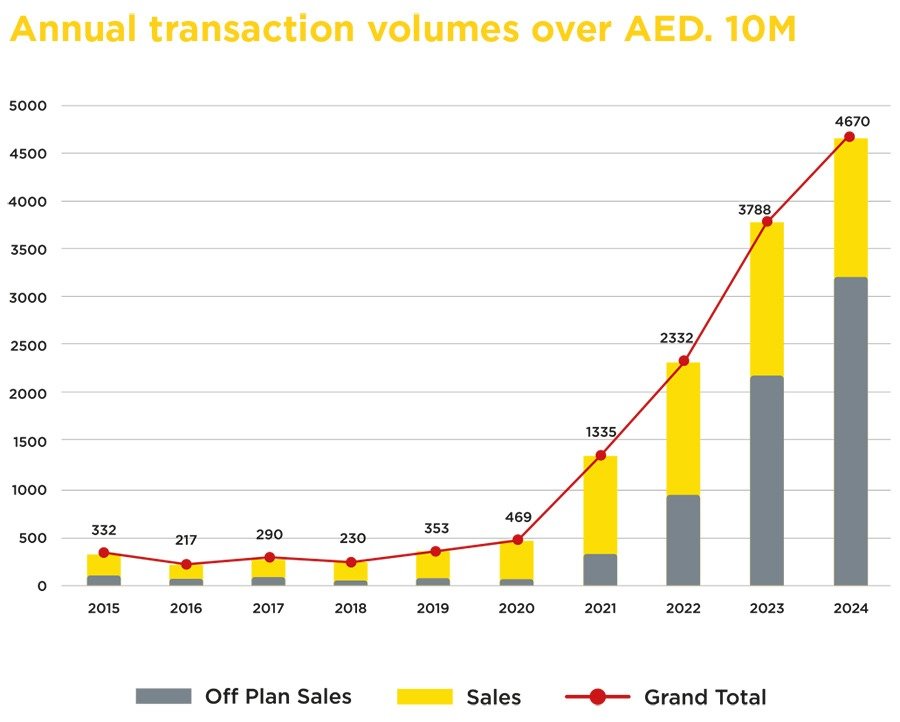
Key Market Observations
- Post-2020 recovery showed strong upward price movement
- Transaction volumes increased significantly after regulatory reforms
- Off-plan sales gained momentum due to flexible payment plans
- Rental yields remained stable in high-demand areas
Dubai’s real estate cycle shows resilience and structured growth rather than speculative spikes.
Impact of Global Conflicts and Economic Disruptions
How Wars and Global Events Affect Dubai Real Estate
| Factor | Immediate Impact | Recovery Pattern |
| Global Conflict (e.g. regional wars) | Surge in foreign capital inflow | Increased demand in luxury segment |
| Economic sanctions | Currency shifts and investor relocation | Dubai becomes safe investment hub |
| Oil price fluctuations | Indirect impact on liquidity | Stabilization via diversified economy |
| Inflation globally | Higher asset demand | Property seen as hedge |
Dubai often benefits from global instability due to its position as a safe haven.
Risks and Considerations for Foreign Buyers
Even with a strong system, you should stay cautious.
- Avoid unverified brokers
- Don’t skip legal verification
- Understand service charges
- Check developer track record
For non-resident property purchase Dubai, remote transactions increase the need for due diligence.
Benefits of Buying Property in Dubai as a Foreigner
- Full ownership in freehold zones
- Tax-efficient investment structure
- High rental yield potential
- Residency visa eligibility (property value dependent)
Dubai combines lifestyle and investment value in a way few markets can match.
Final Thoughts
Dubai has built one of the most transparent and investor-friendly real estate ecosystems globally. The process of buying property in Dubai as a foreigner is clearly defined, legally protected, and supported by strong institutions. If you approach it with the right strategy, choosing the right location, verifying documents, and understanding the market, you can secure both stable returns and long-term asset growth. For foreign investors, Dubai isn’t just a property market. It’s a structured gateway to global real estate investment.