
Author: myrealestateprop

  • Azizi Developments Latest Premium Residence Launch in Al Jaddaf, Dubai

    Azizi Developments Latest Premium Residence Launch in Al Jaddaf, Dubai

    Azizi Developments has launched its latest premium residential project in Al Jaddaf, Dubai, adding another milestone to its growing real estate portfolio. The launch comes at a time when Dubai’s property market continues to post record performance, with more than 50,000 homes sold and office rents rising by 35% year-on-year in the third quarter of 2025, according to data from the Dubai Land Department (DLD). The move reinforces investor confidence and highlights sustained demand for luxury housing in the city’s central districts.

    Q3 by the Numbers

    Metric Q3 2025 Value YoY Change
    Residential Sales Volume 50,000+ Units +22%
    Transaction Value AED 140 Billion +28%
    Office Rent Growth +35%
    Occupancy Rate 88% +5%

    Key Takeaways:

    • Dubai recorded its highest-ever quarterly property transactions.
    • Corporate relocations and visa reforms continue to drive demand.
    • Developers are accelerating new launches to match investor appetite.

    Residential Market: Sales, Prices, and Hot Spots

    Dubai’s residential market remains in a growth cycle, supported by both local and foreign investor demand. Off-plan sales such as Azizi’s newly launched Al Jaddaf project accounted for nearly 65 percent of total residential transactions in Q3 2025.

    Area Avg Price per sq.ft Avg ROI Market Trend
    Al Jaddaf AED 1,250 6.8% Strong uptick
    Business Bay AED 1,600 6.5% Stable
    JVC AED 1,050 7.2% Rising investor interest

    Developers are focusing on high-connectivity zones near Dubai Creek and Downtown, while compact luxury apartments are emerging as preferred investments among new buyers and expats.

    Commercial/Office Market: Rents, Demand, and Supply

    Grade Avg Rent (AED/sq.ft) Occupancy Rate Commentary
    Grade A 180 90% Supply shortfall in core zones
    Grade B 120 84% Stable demand
    Grade C 80 70% Moderate leasing activity

    Office space in Dubai continues to tighten, with Grade A properties nearing full occupancy. Demand from tech, fintech, and professional-services firms has sustained the rent surge. Analysts expect continued upward pressure through 2026 as new Grade A inventory remains limited.

    Supply Pipeline & Developer Activity

    The launch of Azizi’s new Al Jaddaf residence forms part of Dubai’s broader construction surge. Developers are expanding premium offerings aligned with the Dubai 2040 Urban Master Plan.
    Notable Q3 2025 Project Highlights:

    • Azizi Developments: Premium Residence, Al Jaddaf – mid-rise tower with luxury finishes, Dubai Creek views, and smart home integration.
    • Emaar Properties: Creek Harbour Phase 3 launch.
    • Sobha Realty: Hartland Heights Residences.
    • Damac Properties: Harbour Crown Towers.
    • Together, these projects underscore Dubai’s shift toward integrated urban communities combining luxury, accessibility, and lifestyle amenities.

    Demand Drivers

    Key macro and demographic factors fueling Dubai’s property momentum include:

    • Population growth: Expected to exceed 3.8 million residents in 2025.
    • Golden Visa initiatives: Encouraging long-term investment.
    • Tourism recovery: Sustaining short-term rental demand.
    • Foreign capital inflow: Especially from India, Europe, and GCC.
    • Robust economic growth: Supported by diversification beyond oil.

    Risks & What to Watch

    While the market remains strong, analysts note several areas of caution:

    • Potential oversupply in mid-tier apartments.
    • Rising construction costs linked to global inflation.
    • Interest-rate uncertainty affecting mortgage uptake.
    • Regulatory adjustments on short-term leasing.
    • Despite these factors, most forecasts remain positive through 2026.

    Expert Quote / Attribution

    “Dubai’s real estate fundamentals remain solid, supported by demographic expansion and sustained investor appetite. Premium developers like Azizi continue to align launches with end-user demand and evolving urban trends,” CBRE Middle East Q3 2025 Market Report.

    Data Notes & Methodology

    Data compiled from the Dubai Land Department (DLD), CBRE Research, and Construction Week Online. Figures reflect Q3 2025 registered transactions, average asking rents, and occupancy data across key submarkets.

    Final Word

    Azizi Developments’ latest project adds to Dubai’s strong property momentum, reaffirming its position as one of the world’s most active and resilient real estate markets heading into 2026.

  • Dubai Marina Dubai Real Estate Guide

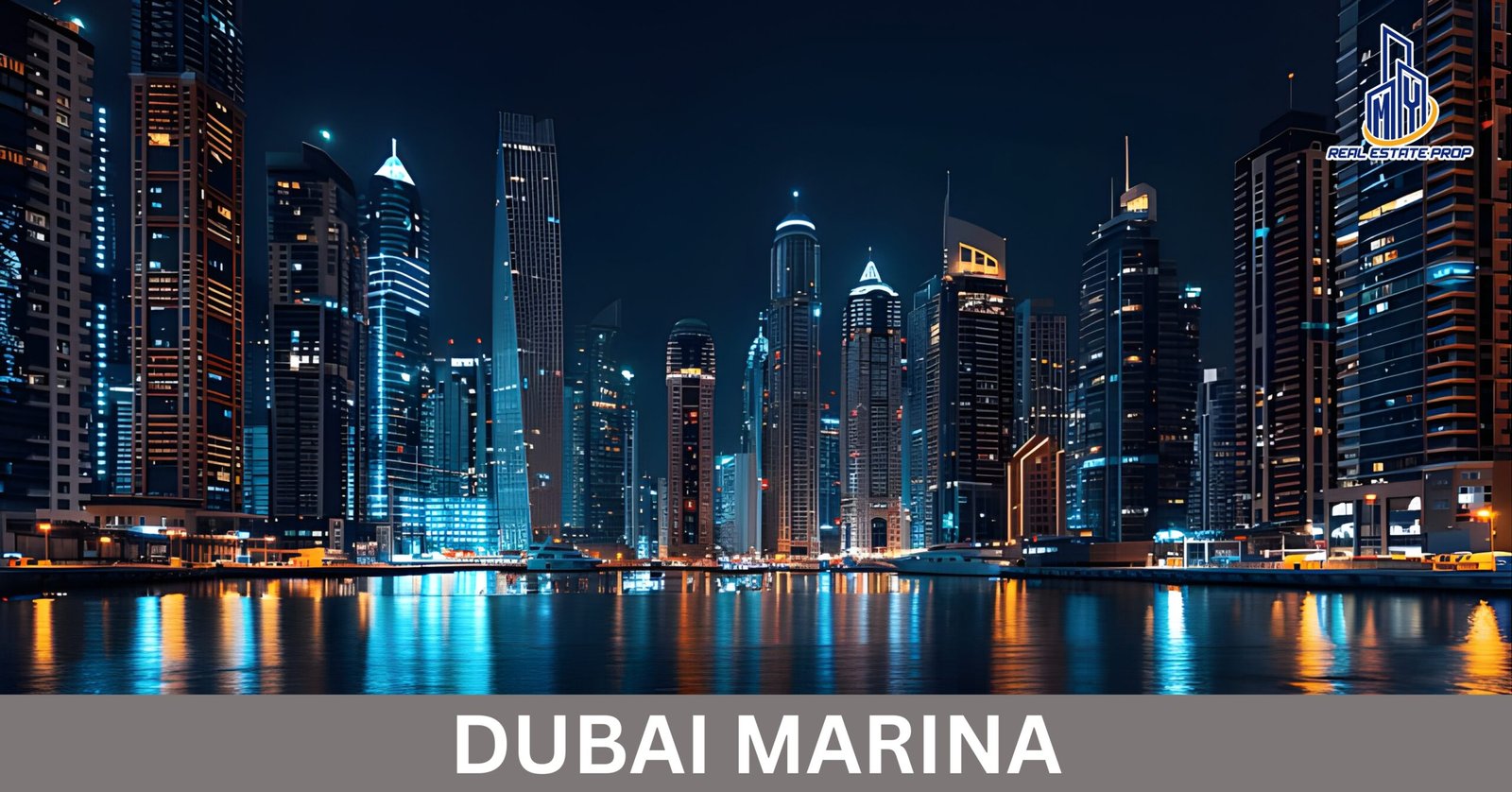
    Dubai Marina Dubai Real Estate Guide

    Dubai Marina, Dubai real estate is more than just a postcode, it’s a lifestyle destination that marries waterfront chic, high‑rise vibrancy, and investor promise. Nestled along Sheikh Zayed Road in central‑south Dubai, Dubai Marina offers sweeping marina and Arabian Gulf views, access to beach‑living and city‑life in one. For residents, it’s a sleek urban residence with leisure and connectivity; for investors, it stands as one of the most sought-after zones in Dubai’s real‑estate landscape thanks to its premium location, strong global appeal, and proven rental demand.

    Quick Overview: Dubai Marina

    Feature Details
    Location Central / South Dubai
    Developer Emaar Properties
    Property Type Apartments, Villas, Penthouses
    Average ROI ~6.5%
    Starting Price AED 1 Million
    Nearest Metro Burj Khalifa / Dubai Mall Station

    Key Highlights / Why Choose Dubai Marina?

    Dubai Marina stands out for several compelling reasons that appeal to both lifestyle buyers and investment‑minded parties.

    • Premium lifestyle & urban connectivity
    • Iconic architecture and skyline views
    • Proximity to business hubs
    • Family‑friendly community
    • Excellent investment opportunities

    Location & Connectivity

    Dubai Marina is located along the Persian Gulf’s edge on the western side of Dubai, running parallel to Sheikh Zayed Road. It neighbours communities such as Jumeirah Beach Residence (JBR), Palm Jumeirah, and is within reach of central business districts.

    Destination Distance / Drive Time
    Dubai International Airport ~15 minutes
    Dubai Marina (within the area)
    Business Bay ~5 minutes
    Jumeirah Beach ~10 minutes

    Nearby Attractions & Landmarks

    • Burj Khalifa – World’s tallest building
    • The Dubai Mall – One of the largest shopping destinations globally
    • Dubai Fountain – Stunning evening fountain show
    • Souk Al Bahar – Arabian‑style shopping and dining complex
    • Dubai Opera – Cultural & entertainment hub

    Popular Properties in Dubai Marina

    • Burj Khalifa Residences – Developed by Emaar Properties, offering panoramic views and premium finishes.
    • The Address Downtown – Serviced residence tower combining hotel‑style amenities with residential investment.
    • DAMAC Maison – Branded residence concept within Dubai Marina offering studio to 3‑bed apartments.
    • Emaar Boulevard Heights – Mid‑premium residential tower by Emaar for 1‑, 2‑, and 3‑bed units.
    • The Lofts – High‑rise luxury apartments designed for panoramic Marina views and upscale living.

    Property Types & Price Trends

    Property Type Average Size Average Price Rental Yield
    Studio 450 sq.ft AED 1.2 M 6.0%
    1‑Bed Apartment 700 sq.ft AED 1.8 M 6.2%
    2‑Bed Apartment 1200 sq.ft AED 3.5 M 6.5%
    3‑Bed Apartment 1800 sq.ft AED 5.2 M 6.8%

    Market Insights & Investment Potential

    • Strong and consistent rental demand thanks to location and views.
    • High ROI potential: 6–7% typical.
    • Freehold ownership rights for foreigners.
    • Strong resale market and new off‑plan projects.

    Amenities & Lifestyle

    • Schools: GEMS Wellington Primary School, Dubai International School
    • Healthcare: Emirates Hospital Clinic, Mediclinic Downtown
    • Retail & Leisure: The Dubai Mall, Bay Avenue Mall, Restaurants, and nightlife options.

    Things to Do & Entertainment

    • Shopping, dining, and nightlife along Marina Walk and JBR.
    • Cultural events at Dubai Opera.
    • Family walks along the Dubai Fountain.
    • Rooftop dining experiences with skyline views.

    Pros & Cons of Investing in Dubai Marina Real Estate

    Pros Cons
    Prime central location Higher property prices
    Iconic landmarks nearby Limited parking in peak hours
    Strong ROI Crowded tourist area

    Ideal for Luxury Property Investors

    • Luxury property investors
    • Expats seeking a central lifestyle
    • Families wanting premium amenities
    • Corporate professionals

    Expert Tips for Buyers & Renters

    • Check the developer’s reputation.
    • Compare off‑plan and ready projects.
    • Evaluate ROI before committing.
    • Work with RERA‑certified brokers.

    Conclusion

    Dubai Marina Dubai Real Estate continues to redefine modern urban living in the city’s ever-evolving skyline. As one of the most prestigious and visually captivating districts in Dubai, it seamlessly blends cosmopolitan charm with the serenity of waterfront living. Whether you’re walking along the Marina Walk, dining at world-class restaurants, or admiring the yachts that line the canal, every corner of Dubai Marina reflects sophistication and lifestyle convenience.

  • Business Bay Dubai Real Estate Guide

    Business Bay Dubai Real Estate Guide

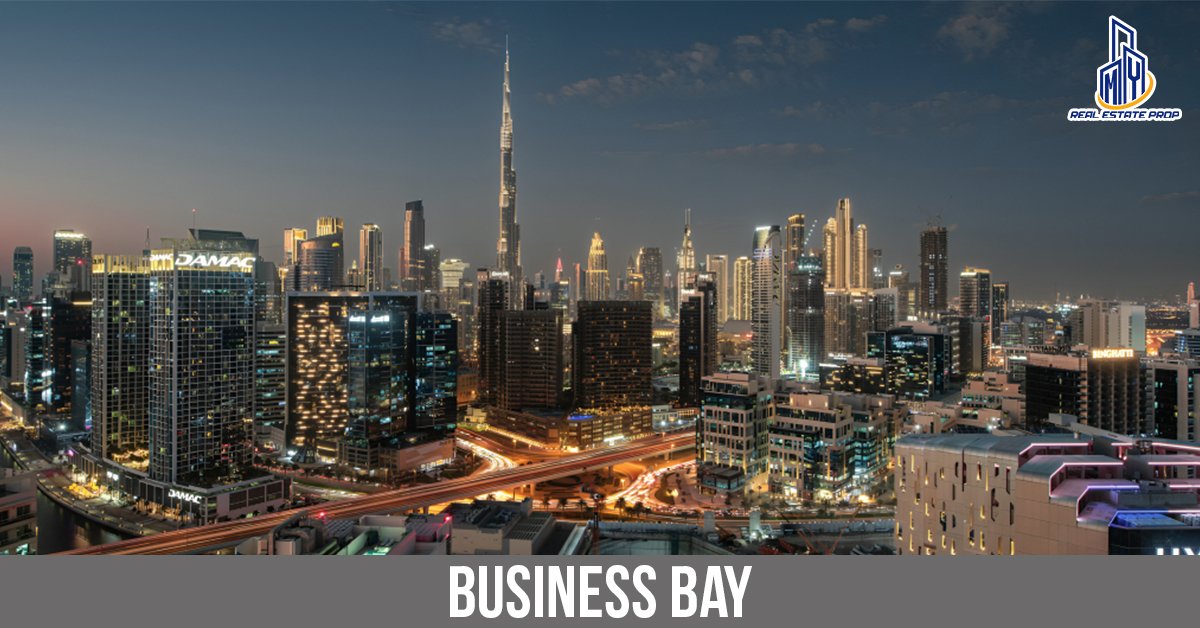
    Located in the heart of the city, Business Bay Dubai real estate offers a vibrant mix of work, lifestyle and investment potential. Nestled just south of the iconic Downtown Dubai and anchored by the shimmering Dubai Water Canal, this district has emerged as one of the most sought-after addresses for investors and residents alike. With sleek high-rises, channel-side promenades and efficient connectivity, Business Bay delivers urban luxury, making it as much a place to live as it is a place to build wealth.

    Quick Overview: Business Bay 

    Feature Details
    Location Central / South Dubai
    Developer Emaar Properties (among others)
    Property Type Apartments, Villas, Penthouses
    Average ROI ~6.5%
    Starting Price From AED 1 Million
    Nearest Metro Burj Khalifa / Dubai Mall Station

    Key Highlights / Why Choose Business Bay?

    Business Bay stands out in Dubai’s real estate landscape for its unique combination of centrality, lifestyle and investment appeal.

    • Premium lifestyle & urban connectivity – With high-rise living and canal-side views, it offers a modern city lifestyle. 
    • Iconic architecture and skyline views – The district sits near landmark towers and provides dramatic vistas.
    • Proximity to business hubs – As a mixed-use district, Business Bay is adjacent to major commercial zones, reducing commute for professionals.
    • Family-friendly community – Beyond the skyline, there are retail zones, parks and amenities suited for families and everyday living.
    • Excellent investment opportunities – Strong transaction volumes, increasing demand and relatively high rental yields make it appealing for investors.

    Location & Connectivity

    Business Bay is located immediately south of Downtown Dubai, along the Dubai Water Canal and adjacent to Sheikh Zayed Road (E11), providing rapid access to many of Dubai’s key destinations.

    Destination Distance / Drive Time
    Dubai International Airport 15 minutes
    Dubai Marina 20 minutes
    Business Bay 5 minutes
    Jumeirah Beach 10 minutes

    Nearby Attractions & Landmarks

    Key nearby attractions include:

    • Burj Khalifa – The world’s tallest building, just adjacent and providing landmark views.
    • The Dubai Mall – One of the world’s largest shopping destinations, an entertainment and leisure hub.
    • Dubai Fountain – The popular evening water/laser show located at the base of Burj Khalifa and The Dubai Mall.
    • Souk Al Bahar – Arabian-style shopping, dining and cultural destination right next to the mall/Downtown.
    • Dubai Opera – A cultural and arts landmark offering performances and events near Business Bay/Downtown.

    Popular Properties in Business Bay

    Some of the most in-demand developments within Business Bay, along with their developer, unit type and indicative price range:

    Top Properties:

    • Burj Khalifa Residences – Developed by Emaar Properties; ultra-luxury apartments/penthouses in the Burj tower; typically top-end pricing given iconic status.
    • The Address Downtown – A luxury hotel-residence by Emaar; premium apartments with hotel-style amenities; price range extends into multi-million AED.
    • DAMAC Maison – Developed by DAMAC; serviced-residence apartments catering to both investors and end-users.
    • Emaar Boulevard Heights – Mid-premium residential project by Emaar; one-, two- and three-bedroom apartments; starting from ~AED 1.8 M+ in recent launches.
    • The Lofts – Boutique residential development selecting modern finishes, fewer units, targeting design-conscious buyers.

    Property Types & Price Trends

    Property Type Average Size Average Price Rental Yield
    Studio ~450 sq.ft AED 1.2M 6.0%
    1-Bed Apartment ~700 sq.ft AED 1.8M 6.2%
    2-Bed Apartment ~1200 sq.ft AED 3.5M 6.5%
    3-Bed Apartment ~1800 sq.ft AED 5.2M 6.8%

    Pricing Trends & Buyer Demand

    • The median property price in Business Bay was reported at around AED 1.8 million, showing a ~5.5% increase year-on-year as of 2025, according to The Luxury Playbook.
    • Off-plan and resale apartment prices per sq ft in Business Bay are ~AED 2,317/sq ft as of November 2024, which was ~46% higher than two years earlier.
    • Rental renewal growth in Business Bay jumped by ~7–10% in early 2025, with renewed annual rents averaging AED 99,200 and new rents around AED 106,600.
    • The broader Dubai market saw annual rental growth of 8.5% in May 2025, with apartment rents growing by ~9%.

    Market Insights & Investment Potential

    Business Bay remains a very compelling investment and living destination but as always, understanding the market dynamics is key.

    Why is it a substantial investment?

    • Consistent rental demand – Central location, leisure and business destinations nearby, plus a substantial expat population feed rental uptake.
    • High ROI due to tourism and short-stay appeal – Business Bay’s canal frontage and proximity to Downtown make it attractive for serviced apartments and short-lease investors.
    • Freehold ownership options – Foreigners can buy freehold in Business Bay, giving more flexibility for overseas investors.
    • Strong resale market – Central districts often see more liquidity; Business Bay is already well-established.
    • New off-plan developments attracting investors – Many new projects offering competitive pricing and modern amenities are launching here.

    Key investment-trend pointers

    • Growth in Dubai’s real estate has been stellar: total transactions in H1 2025 hit AED 431 billion, up ~25% year-on-year.
    • For Business Bay specifically, it accounted for ~5% of primary-market value in May 2025 despite only ~3% of volume indicating large-scale transactions.
    • Forecasters expect Dubai prices to grow 5-8% in 2025, though one rating agency warns of a possible 10-15% correction in late 2025/2026 due to supply influx.

    Amenities & Lifestyle

    Liveability is a significant factor in Business Bay’s appeal for residents and families alike.

    Schools

    • GEMS Wellington Primary School – International curriculum, conveniently located for Business Bay residents.
    • Dubai International School – Another trusted option, catering to a variety of expatriate families.

    Healthcare

    • Emirates Hospital Clinic – Full-service medical centre accessible from Business Bay.
    • Mediclinic Downtown – Quality healthcare nearby in the adjacent Downtown/Business Bay corridor.

    Retail & Leisure

    • The Dubai Mall and the surrounding boulevard (adjacent) serve as major retail/leisure hubs.
    • Bay Avenue Mall – Boutique mall within Business Bay with cafés, fitness and casual retail.
    • Countless restaurants, cafés, bars and leisure options along the canal-front and boulevard make the area vibrant for young professionals and families.

    Things to Do & Entertainment

    Business Bay isn’t just about buildings, it’s about living, exploring and enjoying a refined city lifestyle.

    • Shopping, dining, and nightlife – From canal-side cafés to rooftop bars.
    • Cultural events at the Dubai Opera – Just a short drive away, offering world-class performances.
    • Family walks near the Dubai Fountain and along the canal promenade – Beautiful views, especially in the evening.
    • Rooftop dining experiences – Many towers offer spectacular skyline views, making an evening out or hosting guests especially memorable.
    • Waterfront events & leisure – The Dubai Water Canal area often hosts activated spaces for jogging, cycling and weekend brunch venues.

    Pros & Cons For Buyers

    Pros Cons
    Prime central location Higher property prices
    Iconic landmarks nearby Limited parking in peak hours
    Strong ROI and rental demand Tourist-heavy area
    High-end lifestyle and amenities Slightly higher service charges

    Ideal For Buyers

    • Luxury investors are seeking premium projects with high ROI.
    • Expats looking for a cosmopolitan community close to downtown.
    • Corporate professionals want to live near significant business hubs.
    • Families who value convenience, safety, and amenities.

    Expert Tips for Buyers & Renters

    • Research developer reputation: Stick to trusted names like Emaar, DAMAC, and Omniyat.
    • Compare ready vs. off-plan: Ready units offer immediate returns; off-plan can provide better entry prices.
    • Analyse rental yield: Ensure ROI aligns with your investment goals.
    • Work with RERA-certified brokers: They ensure compliance and transparency in transactions.
    • Inspect amenities and maintenance: Service quality can vary among towers.

    Conclusion 

    Business Bay Dubai real estate stands as a modern symbol of urban luxury and investment strength. Its strategic location, thriving rental market, and world-class amenities make it ideal for both residents and investors seeking long-term growth. Whether for lifestyle or profit, Business Bay continues to be one of Dubai’s most dynamic and rewarding property destinations. 

  • Palm Jebel Ali vs Palm Jumeirah: A Complete Comparison Guide

    Palm Jebel Ali vs Palm Jumeirah: A Complete Comparison Guide

    Dubai has never been shy about redefining what’s possible. From its record-breaking skyscrapers to artificial islands visible from space, the city thrives on ambition and innovation. Among its most iconic creations stand two palm-shaped wonders Palm Jebel Ali vs Palm Jumeirah each representing a distinct chapter in Dubai’s coastal evolution. While Palm Jumeirah symbolizes the city’s early vision of luxury living, Palm Jebel Ali marks the next phase of grand-scale waterfront development, blending futuristic design with expanded residential and leisure potential.

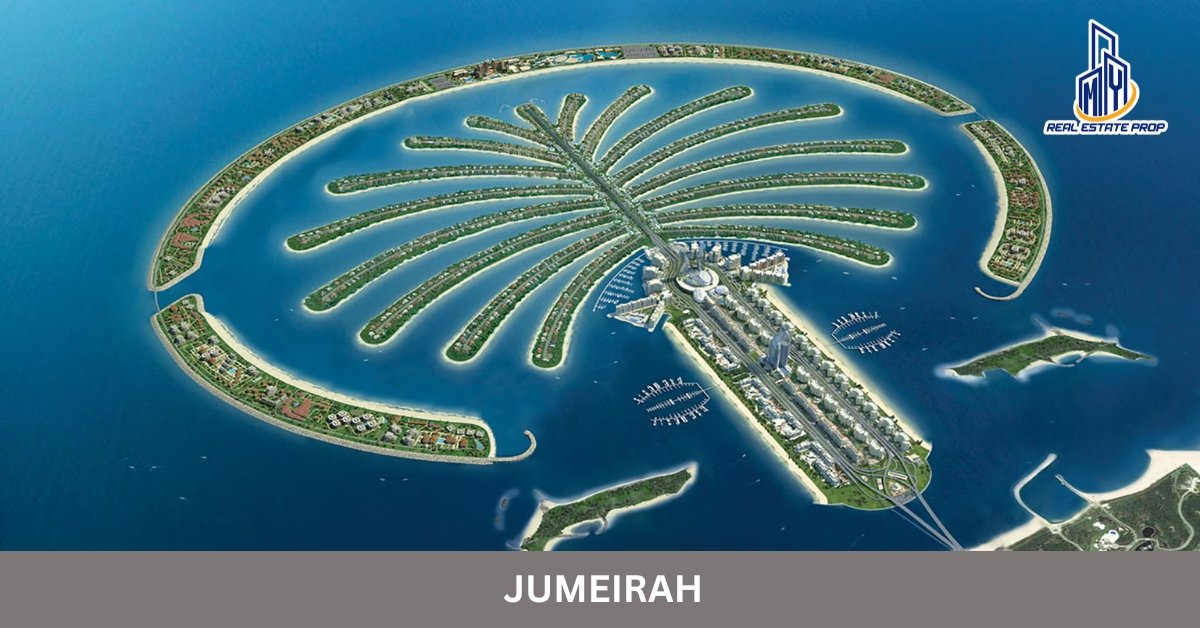
    Palm Jumeirah

    Launched in 2001 and completed a few years later, Palm Jumeirah was the first of its kind, an artificial island shaped like a palm tree, stretching gracefully into the Arabian Gulf. Developed by Nakheel, it quickly became Dubai’s most prestigious residential and hospitality address, hosting global brands like Atlantis The Palm, Waldorf Astoria, and Five Palm. 

    Palm Jebel Ali 

    Palm Jumeirah captured global headlines in the 2000s. Palm Jebel Ali, first announced in 2002, took a back seat for years due to market slowdowns. However, in 2023, it made a robust comeback as part of Dubai’s renewed coastal expansion strategy. Its master plan focuses on green mobility, energy-efficient communities, and a modern beachfront lifestyle aimed at next-generation investors.

    Palm Jebel Ali vs Palm Jumeirah

    Palm Jumeirah Palm Jebel Ali
    Launch Year: 2001 Launch Year: 2023 (Relaunched)
    Developer: Nakheel Developer: Nakheel
    Future Growth: Stable, Mature Market Future Growth: High Growth Potential under Dubai 2040 Plan

    Size and Design Comparison

    When it comes to sheer scale and vision, Palm Jebel Ali and Palm Jumeirah stand apart not just in location, but in design philosophy. Both islands share the same palm-tree inspiration, yet they were built to serve different eras and lifestyles in Dubai’s growth story.

    Size Comparison Table

    Palm Jumeirah Palm Jebel Ali
    Total Area: ~5.6 sq. km Total Area: ~13.4 sq. km
    Shape: 16 Fronds Shape: 18 Fronds
    Master Developer: Nakheel Master Developer: Nakheel
    Completion: Completed Completion: Under Development

    Property Types and Price Trends

    Real estate on Dubai’s palm islands reflects the city’s evolving definition of luxury. While Palm Jumeirah offers ready-to-move-in opulence with established neighborhoods, Palm Jebel Ali represents the next generation of smart coastal living where innovation meets sustainability. Both cater to distinct audiences, making their comparison essential for investors and residents alike.

    Palm Jumeirah

    Palm Jumeirah has long been a symbol of ultra-luxury living. Its property portfolio includes a mix of apartments, villas, and penthouses, each designed to offer uninterrupted views of the Arabian Gulf and Dubai’s skyline. Developers such as Nakheel, Omniyat, and Seven Tides have contributed to the island’s exclusive architectural identity.

    Typical Property Options:

    • Apartments: Found along the trunk and crescent, ranging from AED 2.5M to 15M+, depending on location and view.
    • Villas: Located on the fronds, priced between AED 15M and 150M+, often featuring private beaches and pools.
    • Penthouses: Ultra-premium options within branded residences like One at Palm Jumeirah and Atlantis The Royal, exceeding AED 100M+.

    Palm Jebel Ali

    Still in its development phase, Palm Jebel Ali is drawing investor excitement due to its lower entry point and long-term growth potential. The project features townhouses, villas, and waterfront residences designed around sustainability and innovative technology.

    Typical Property Options:

    • Villas & Townhouses: Launch prices starting from AED 5M–10M, offering larger plots and modern layouts.
    • Apartments: Expected to start around AED 2M–3M, focusing on energy-efficient design and smart connectivity.
    • Eco-Residences: A new segment emphasizing solar integration and water recycling systems.

    Lifestyle and Amenities

    Life on Dubai’s palm islands isn’t just about owning a property; it’s about experiencing a lifestyle that blends leisure, exclusivity, and world-class convenience. While Palm Jumeirah has already established itself as the epitome of coastal luxury, Palm Jebel Ali is set to redefine modern living through sustainability and smart infrastructure.

    Palm Jumeirah

    Palm Jumeirah represents the heart of Dubai’s luxury lifestyle, a seamless mix of private tranquility and vibrant social energy. The island offers an impressive collection of five-star hotels, Michelin-starred restaurants, shopping malls, and beach clubs, all just minutes apart.

    Key Highlights:

    • Luxury Hospitality: Home to global icons like Atlantis The Palm, Jumeirah Zabeel Saray, and The Royal.
    • Dining & Leisure: Dozens of fine-dining spots, including Nobu, Ossiano, and WHITE Beach Club.
    • Shopping & Entertainment: Nakheel Mall and The Pointe provide world-class retail and entertainment experiences.
    • Health & Fitness: Beachfront gyms, spas, and running tracks promote a balanced, wellness-driven lifestyle.
    • Connectivity: The Palm Monorail and direct access from Sheikh Zayed Road ensure smooth mobility for residents and tourists.

    Palm Jebel Ali

    Designed for the future of sustainable luxury, Palm Jebel Ali aims to deliver a more balanced lifestyle combining resort-style amenities with eco-conscious living. With more open green areas, integrated energy systems, and smart city infrastructure, it represents the next generation of coastal communities.

    Key Highlights:

    • Smart Homes & Green Mobility: Solar-powered villas, EV charging hubs, and pedestrian-first design.
    • Entertainment Districts: Over 80 new hotels and resorts, including beachfront experiences and water parks.
    • Eco-Luxury Living: Landscaped parks, artificial lagoons, and water-efficient architecture for a sustainable environment.
    • Retail & Dining Promenades: Upscale shopping zones and waterfront cafés catering to family and leisure lifestyles.
    • Connectivity & Accessibility: Proximity to Dubai South, Al Maktoum Airport, and Jebel Ali Free Zone ensures easy commute and strong investment appeal.

    Investment Potential

    When comparing Palm Jebel Ali and Palm Jumeirah, the conversation naturally turns toward investment, both in terms of return and long-term vision. Each island represents a different stage of Dubai’s real estate evolution: one is an established powerhouse of global luxury, while the other is a rapidly emerging frontier promising innovation and growth.

    Palm Jumeirah: Palm Jumeirah has matured into one of the world’s most prestigious real estate zones. With its limited land supply, global recognition, and consistent demand from high-net-worth investors, it remains a prime destination for stable, long-term gains.

    Palm Jebel Ali: Palm Jebel Ali is the new frontier for investors looking for long-term appreciation. Backed by Nakheel’s sustainable design vision and supported by Dubai’s 2040 Urban Master Plan, it’s expected to deliver significant ROI growth over the next decade.

    Conclusion

    Both Palm Jumeirah and Palm Jebel Ali tell the story of Dubai’s unstoppable evolution from a visionary dream to a global reality. Palm Jumeirah stands today as a symbol of established luxury, offering stability, prestige, and proven returns. It’s where opulence meets experience. Every sunrise over its private beaches reminds residents they’re living on one of the world’s most iconic addresses.

  • Dubai Real Estate Guide: Downtown Dubai

    Dubai Real Estate Guide: Downtown Dubai

    Welcome to your complete guide to Downtown Dubai real estate, the heart of the emirate, where skyline dreams meet investment opportunities. Nestled at the intersection of business, leisure and luxury living, Downtown Dubai offers a lifestyle few places match. 

    For residents, it delivers world-class amenities, iconic views and unmatched connectivity; for investors, it represents one of the most compelling addresses in the region. Whether you’re buying your first unit or expanding your property portfolio, this area demands attention.

    Quick Overview: Downtown Dubai

    Feature Details
    Location Central / South Dubai
    Developer Emaar Properties
    Property Type Apartments, Villas, Penthouses
    Average ROI ~6.5%
    Starting Price AED 1 Million (approx)
    Nearest Metro Burj Khalifa / Dubai Mall Station

    Key Highlights / Why Choose Downtown Dubai?

    Downtown Dubai stands out not just for its location, but for the brand-name lifestyle it offers. Here’s why you’ll want to pay attention:

    • Premium lifestyle & urban connectivity — you live in the centre of it all.
    • Iconic architecture and skyline views — think Burj Khalifa and luxurious finishes.
    • Proximity to business hubs — minutes from major offices and financial districts.
    • Family-friendly community — with parks, schools and high-end living options.
    • Excellent investment opportunities — strong demand and global appeal.

    Location & Connectivity

    Downtown Dubai is positioned along Sheikh Zayed Road (E11), bordered by communities such as Business Bay, Al Wasl, and Financial Centre Road. With the metro station at Burj Khalifa / Dubai Mall and major highways linking to the airport and coastal zones, connectivity is a prime strength.

    Destination Distance / Drive Time
    Dubai International Airport ~15 minutes
    Dubai Marina ~20 minutes
    Business Bay ~5 minutes
    Jumeirah Beach ~10 minutes

    Nearby Attractions & Landmarks

    • Burj Khalifa – The world’s tallest building.
    • The Dubai Mall – One of the largest shopping destinations globally.
    • Dubai Fountain – The iconic evening water and light show.
    • Souk Al Bahar – Arabian-style shopping complex.
    • Dubai Opera – Cultural and entertainment hub.

    Popular Properties in Downtown Dubai

    • Burj Khalifa Residences (Emaar Properties) – Ultra-luxury apartments in the iconic tower.
    • The Address Downtown (Emaar) – Hotel-residence hybrid with premium serviced apartments.
    • DAMAC Maison (DAMAC Properties) – Studio and 1-bed residences for rental investors.
    • Emaar Boulevard Heights – Modern apartments along the Boulevard.
    • The Lofts (Emaar) – Boutique residential for professionals or entry-level investors.

    Property Types & Price Trends

    Property Type Average Size Average Price Rental Yield
    Studio ~450 sq.ft AED 1.2M ~6.0%
    1-Bed Apartment ~700 sq.ft AED 1.8M ~6.2%
    2-Bed Apartment ~1,200 sq.ft AED 3.5M ~6.5%
    3-Bed Apartment ~1,800 sq.ft AED 5.2M ~6.8%

    Market Insights & Investment Potential

    • Consistent rental demand from tourism and business tenants.
    • High ROI due to luxury branding and short-stay markets.
    • Freehold ownership options for international investors.
    • Strong resale potential in established towers.
    • New off-plan launches with flexible payment plans.

    Amenities & Lifestyle

    • Schools: GEMS Wellington Primary, Dubai International School.
    • Healthcare: Emirates Hospital Clinic, Mediclinic Downtown.
    • Retail & Leisure: The Dubai Mall, Bay Avenue Mall, premium dining and nightlife.

    Things to Do & Entertainment

    • Shopping and dining at The Dubai Mall.
    • Evening shows at Dubai Fountain.
    • Cultural performances at Dubai Opera.
    • Rooftop dining experiences with skyline views.
    • The family walks around the lake promenade.

    Pros & Cons

    Pros Cons
    Prime central location Higher property prices
    Iconic landmarks nearby Limited parking in peak hours
    Strong ROI Crowded tourist area

    Ideal For

    • Luxury property investors
    • Expats seeking a central lifestyle
    • Families wanting premium amenities
    • Corporate professionals

    Expert Tips for Buyers & Renters

    • Check developer reputation before buying.
    • Compare off-plan vs ready units for ROI and risk.
    • Evaluate rental yield (~6%) before purchase.
    • Work only with RERA-certified agents.

    Conclusion

    Downtown Dubai real estate remains a top-tier investment and lifestyle destination. With global recognition, strong rental demand, and long-term value, it is the city’s heartbeat for luxury, culture, and opportunity.  Its strategic location, combined with world-class infrastructure and a steady influx of global residents, ensures consistent rental demand and impressive long-term capital growth.

  • Explore the Top MNC Companies in Dubai

    Explore the Top MNC Companies in Dubai

    Dubai isn’t just a city it’s a global stage where innovation, ambition, and opportunity meet. From towering skyscrapers to futuristic free zones, it has become a magnet for some of the Top MNC companies in Dubai that are shaping the region’s economic future. These global giants don’t just set up offices here; they establish their Middle East headquarters in Dubai, driving growth, technology, and employment across industries.

    List of the Top 10 MNC Companies in Dubai

    Dubai stands tall as a global business magnet, attracting multinational giants that fuel its economic growth and international reputation. From cutting-edge technology firms to financial powerhouses, these MNCs contribute to innovation, employment, and sustainability in the region. Here’s a look at the top 10 MNC companies in Dubai, shaping the city’s modern economy and global identity.

    1. Emirates Group

    A global brand synonymous with aviation excellence, the Emirates Group (including Emirates Airlines and Dnata) operates entirely from Dubai. It connects over 150 cities worldwide and plays a vital role in positioning Dubai as a global travel and logistics hub.

    • Category: Aviation & Travel
    • Establish Year: 1985
    • Founder Name: Ahmed bin Saeed AI Maktoum 

    2. Nestlé

    Nestlé established its regional headquarters in Dubai in 2017. The company manages business operations for 19 countries from this base, focusing on nutrition, health, and wellness products across the Middle East.

    • Category: Food & Beverage
    • Establish Year: 1866
    • Founder Name: Henri, George Ham Page

    3. Procter & Gamble

    P&G’s regional headquarters in Dubai oversees operations across the GCC and North Africa. It leads market strategies for major brands such as Pampers, Gillette, and Olay, contributing significantly to Dubai’s consumer goods sector.

    • Category: Consumer Goods
    • Establish Year: 1837 
    • Founder Name: William Procter, James Gamble

    4. Unilever 

    Unilever Gulf manages the company’s Middle East and North Africa operations from its Dubai HQ. It handles popular global brands like Dove, Lifebuoy, and Lipton, focusing on sustainable business practices and regional product innovation.

    • Category: Consumer Goods
    • Establish Year: 1929 
    • Founder Name: Antonius Johannes Jurgens, Samuel van den Bergh, Georg Schicht

    5. PepsiCo

    PepsiCo’s Dubai HQ manages operations across the MENA region. It focuses on beverage and snack innovation while promoting sustainability initiatives like eco-friendly packaging and water conservation programs.

    • Category: Food & Beverage
    • Establish Year: 1965  
    • Founder Name: Caleb Bradham

    6. Siemens 

    Siemens’ Middle East HQ in Dubai serves as a hub for technology, automation, and energy projects across the Gulf. The company partners with government entities to build smart infrastructure and support Vision 2030 initiatives.

    • Category: Technology
    • Establish Year: 1847
    • Founder Name: Werner von Siemens, Johann Georg Halske

    7. Microsoft 

    Microsoft’s regional headquarters in Dubai drives digital transformation and cloud adoption across the GCC. It plays a significant role in upskilling local talent and supporting the UAE’s smart city and AI initiatives.

    • Category: Information Technology
    • Establish Year: 1975
    • Founder Name: Bill Gates, Paul Allen

    8. Google

    Google’s regional office in Dubai functions as its MENA HQ. It supports advertisers, developers, and businesses through initiatives like “Grow with Google” and contributes to Dubai’s digital innovation ecosystem.

    • Category: Technology & Internet Services
    • Establish Year: 1998
    • Founder Name: Larry Page, Sergey Brin

    9. Amazon

    Amazon operates two primary headquarters in Dubai, one for e-commerce and another for cloud computing (AWS). Both divisions handle operations, logistics, and tech infrastructure across the GCC.

    • Category: E-commerce & Cloud Computing
    • Establish Year: 1994
    • Founder Name: Jeff Bezos

    10. Deloitte 

    Deloitte’s Middle East headquarters manages consulting, audit, and advisory services for more than 15 countries. It is one of the largest professional service firms operating in Dubai’s financial district.

    • Category: Professional Services
    • Establish Year: 1845 
    • Founder Name: William Welch Deloitte

    Top Sectors For MNCs in Dubai

    Dubai’s economy is a vibrant mix of innovation, trade, and technology, and multinational companies have played a massive role in shaping this diversity. Over the years, the city has evolved from being a regional trading hub to a global powerhouse, attracting MNCs across multiple industries.

    1. Technology and Innovation

    The tech sector in Dubai is booming, thanks to visionary government initiatives like Smart Dubai and the UAE Vision. Global leaders such as Microsoft, Google, and Amazon Web Services (AWS) have set up regional headquarters here to tap into the Middle East’s growing digital transformation.

    2. Finance, Banking, and Fintech

    Dubai is home to one of the world’s leading financial hubs, the Dubai International Financial Centre (DIFC). It hosts international banks, consulting firms, and fintech innovators like HSBC, Standard Chartered, and Deloitte.

    3. Real Estate and Construction

    The skyline of Dubai is the living proof of the real estate MNCs that have shaped it. Global construction and property firms like AECOM, JLL, and CBRE collaborate with local giants such as Emaar and DAMAC to build some of the world’s most iconic structures. 

    4. Logistics, Shipping, and Trade

    As the gateway between the East and West, Dubai’s logistics and trade sector remains one of its strongest pillars. MNCs such as DP World, FedEx, and Maersk operate massive networks through Jebel Ali Port and Dubai South, connecting global markets efficiently. 

    5. Hospitality and Retail Giants

    Dubai’s tourism industry is a magnet for hospitality and retail MNCs. From luxury hotel chains like Marriott, Hilton, and Accor to global retail powerhouses such as IKEA, Nike, and H&M, the city attracts brands catering to its international audience. 

    Career Opportunities in Dubai’s Top MNCs

    Working in Dubai’s leading multinational companies isn’t just about earning a paycheck; it’s about being part of something global. The city’s MNC ecosystem offers thousands of opportunities across industries like technology, finance, real estate, logistics, and consumer goods. 

    Industries with the Highest Hiring Demand

    While MNCs across sectors continue to expand, specific industries are witnessing a talent surge.

    • Technology & IT: Cloud engineers, AI developers, and cybersecurity experts are in high demand.
    • Finance & Consulting: Firms like Deloitte, KPMG, and PwC are hiring auditors, analysts, and compliance officers.
    • E-commerce & Logistics: With Amazon and FedEx scaling operations, logistics managers and data analysts are sought-after.
    • Real Estate & Construction: Project managers, engineers, and sustainability consultants are seeing strong demand.

    How to Get a Job in MNC Companies in Dubai?

    Landing a job in one of Dubai’s top multinational companies might seem competitive, but it’s absolutely achievable with the right strategy. These companies look for skilled professionals who combine expertise with adaptability and who understand both global standards and local business culture. 

    • Qualifications and Skill Requirements: Most MNCs in Dubai prioritize practical skills, international exposure, and professional certifications over just academic degrees.
    • Networking and LinkedIn Optimization: In Dubai, networking is everything. Many MNC roles are filled through referrals, LinkedIn connections, and professional events rather than just job boards.
    • Top Recruitment Portals for MNC Jobs in Dubai: To apply directly, use trusted job platforms that list verified MNC openings. The most effective ones.

    Tax-Free Income and High Standard of Living

    One of the biggest reasons professionals from around the world flock to Dubai’s MNCs is its tax-free income and unmatched quality of life. The city offers a rare blend of financial freedom and luxurious living, a combination few global business hubs can match.

    1. Tax-Free Salaries: A Real Financial Edge: Dubai’s no personal income tax policy allows professionals to keep 100% of their earnings, making it a financial haven for employees of global corporations.
    2. A Lifestyle That Matches Global Standards: Dubai isn’t just about money; it’s about living well. The city offers everything from ultra-modern infrastructure to world-class healthcare, luxury housing, and premium leisure experiences
    3. Work-Life Balance in a Global City: Most multinational companies in Dubai now promote a balanced, flexible work culture, including hybrid models, mental wellness programs, and professional training.
    4. Corporate Perks and Benefits in MNCs: Most MNCs provide comprehensive employee packages designed to attract and retain top global talent. These include housing allowances, annual air tickets, health insurance, and education support for employees with families.

    Conclusion: The Global Playground for MNC Ambitions

    Dubai has evolved from a desert trading port into a global symbol of progress, ambition, and opportunity. Today, it stands as a magnet for multinational companies that see the city not just as a location but as a launchpad for innovation and expansion. With its strategic location, tax-free ecosystem, world-class infrastructure, and forward-thinking government policies, Dubai continues to attract the biggest corporate names from around the world.

  • Cost of Living in Dubai: Housing, Food & More

    Cost of Living in Dubai: Housing, Food & More

    Dubai, the glittering city of skyscrapers, supercars, and endless possibilities, isn’t just about luxury; it’s also about balance. Beneath the glamour lies a lifestyle that attracts millions of expats each year, all drawn by tax-free income, safety, and world-class comfort. But living here comes with its own price tag, one that depends on where you live, how you eat, and how you move around the city.

    Housing Costs in Dubai

    When it comes to the cost of living in Dubai, housing accounts for the largest share of the budget. Rent prices can vary dramatically depending on location, property type, and proximity to business districts like Downtown Dubai, Business Bay, and Dubai Marina.

    Apartment Type Average Yearly Rent (AED)
    1-Bedroom 110,000 – 150,000
    1-Bedroom 90,000 – 130,000
    1-Bedroom 60,000 – 85,000
    1-Bedroom 80,000 – 120,000
    1-Bedroom 45,000 – 65,000
    2-Bedroom 70,000 – 95,000
    2-Bedroom 180,000 – 250,000

    Transportation Costs in Dubai

    Getting around Dubai is convenient, efficient, and well-connected, whether you prefer the metro, public buses, or your own car. However, transportation costs can vary significantly based on how often you commute, the distance between your home and workplace, and your chosen mode of travel.

    Mode of Transport Average Monthly Cost (AED)
    Public Metro/Bus 300 – 400
    Taxi (occasional use) 400 – 800
    Car Fuel 250 – 500
    Car Insurance 200 – 400
    Parking Fees 100 – 300

    Food and Dining Expenses

    When it comes to daily living, food and dining expenses in Dubai can vary depending on your eating habits whether you prefer cooking at home or dining out frequently. The city offers an incredible variety of options, from affordable Indian, Filipino, and Arabic eateries to Michelin-starred fine-dining experiences at luxury hotels.

    Item Average Price (AED)
    Milk (1 litre) 6 – 7
    Bread (loaf) 5 – 6
    Eggs (dozen) 10 – 14
    Chicken (1 kg) 18 – 25
    Rice (1 kg) 8 – 12
    Apples (1 kg) 7 – 10
    Water (1.5L bottle) 2 – 3

    Healthcare and Insurance Costs

    Dubai’s healthcare system is among the most advanced in the Middle East, combining cutting-edge medical facilities with highly skilled professionals from around the world. However, healthcare costs in Dubai can be significant without proper insurance, which is why health insurance is mandatory for all residents.

    Insurance Plan Type Average Annual Cost (AED)
    Basic Plan 800 – 1,500
    Mid-Tier Plan 1,500 – 3,500
    Premium Plan 4,000 – 10,000+

    Education Costs for Families

    For families moving to Dubai, education costs play a significant role in shaping the overall cost of living. The city’s education system is globally recognized for its quality, diversity, and strong academic standards. However, these advantages come at a price, especially for international curricula such as British, American, or IB (International Baccalaureate).

    Expense Category Average Annual Cost (AED)
    School Transport 4,000 – 8,000
    Books & Stationery 1,000 – 2,500
    Uniforms 800 – 1,500
    Extracurricular Activities 1,500 – 3,000
    Field Trips / Misc. 1,000 – 2,000

    Lifestyle and Entertainment Expenses

    Dubai is a city built for experiences, from shopping festivals and beach clubs to world-class fitness centers and theme parks. But along with endless entertainment options come costs that can vary dramatically depending on your lifestyle choices. Whether you love weekend brunches, gym sessions, or desert getaways, it’s essential to plan for your lifestyle and entertainment expenses when estimating the cost of living in Dubai.

    Category Average Monthly Cost (AED)
    Gym Membership 200 – 1,200
    Sports / Fitness Activities 150 – 500
    Cinema or Concert Tickets 40 – 200
    Dining Out & Cafés 600 – 1,200
    Shopping & Personal Care 500 – 1,500
    Nightlife & Events 300 – 1,000

    Internet, Mobile, and Utility Bills

    In Dubai, staying connected and comfortable comes at a predictable cost, thanks to well-regulated service providers and transparent billing systems. Whether it’s your home Wi-Fi, mobile plan, or DEWA utilities, these monthly essentials are an unavoidable part of your cost of living in Dubai.

    Category Average Monthly Cost (AED)
    Internet + Mobile 400 – 700
    Electricity, Water & Cooling 800 – 2,000
    Total 1,200 – 2,700

    Tips to Manage Living Costs in Dubai Efficiently

    Living in Dubai doesn’t have to be expensive; it’s all about thoughtful planning and conscious spending. With the right strategies, you can enjoy the city’s luxuries while staying within your budget. Whether you’re an expat, student, or professional, these practical tips will help you manage your living costs in Dubai efficiently without compromising your lifestyle.

    1. Choose the Right Area to Live In

    Your neighborhood has the most significant impact on your monthly budget. If you work in Downtown Dubai but live in Jumeirah Village Circle (JVC) or Al Nahda, you can save up to 30–40% on rent while still having access to metro and bus connections. Look for communities with supermarkets, gyms, and schools nearby to avoid daily transport costs.

    2. Shop Smart for Groceries and Essentials

    Skip luxury grocery stores and shop at Carrefour, Lulu, or Union Coop for local deals. Keep an eye on weekly discounts, loyalty programs, and “buy one get one” offers. Apps like Smiles by Etisalat, Nesto, and Talabat Mart help you compare prices and save extra dirhams on essentials.

    3. Use Public Transport and Carpooling

    Dubai’s metro, tram, and bus network efficiently covers most residential and business areas. A monthly NOL card pass can cost less than a week’s worth of fuel and parking fees if you drive. For occasional drives, use carpooling apps like RTA Shareknit or Uber Carpool to cut commuting costs.

    4. Manage Utilities and Subscriptions

    Monitor your DEWA usage regularly via the smart app and turn off unnecessary lighting or cooling. Cancel unused streaming or gym memberships small savings add up over time. Bundling mobile and internet packages with one provider (Etisalat or du) can also reduce monthly charges.

    5. Eat Out Less, Cook More

    Frequent dining out in Dubai can be costly. Instead, cook at home and explore local produce markets for fresh, affordable ingredients. When you do eat out, use The Entertainer App or Zomato Pro for 2-for-1 deals and restaurant discounts across the city.

    Final Thoughts: Living Comfortably in Dubai on Any Budget

    Whether you’re an expat starting fresh, a family settling down, or a professional chasing career growth, Dubai offers a quality of life few cities can match world-class infrastructure, safety, and a multicultural environment. The key lies in understanding where your money goes, housing, food, transport, utilities, and leisure and optimizing each with wise choices.

  • Discover the Top Projects by Imtiaz in Dubai

    Discover the Top Projects by Imtiaz in Dubai

    Dubai’s skyline tells countless stories of ambition and innovation, and one name that consistently stands out is Imtiaz Developments. Known for blending modern design with everyday functionality, Imtiaz has become one of Dubai’s most trusted real estate developers, creating spaces that truly reflect the city’s cosmopolitan lifestyle. Among the Top Projects by Imtiaz in Dubai, each development showcases a perfect mix of architectural excellence, smart living, and lifestyle comfort setting a new benchmark for modern urban residences in the city.

    Top Residential Projects by Imtiaz in Dubai

    Imtiaz Developments has introduced a series of residential projects that redefine modern urban living in Dubai. These properties cater to diverse lifestyles while maintaining a signature touch of luxury.

    Below are some of the top Imtiaz projects in Dubai that have gained attention among buyers and investors for their quality construction, aesthetic appeal, and strong return potential:

    1. Westwood Residence by Imtiaz

    Located in Dubai’s Jumeirah Village Circle (JVC), Westwood Residence is designed for those who value simplicity with sophistication. The project offers contemporary apartments equipped with high-end finishes, functional layouts, and ample natural light. Its proximity to major landmarks like Dubai Marina and Downtown Dubai makes it a popular choice among young professionals and first-time buyers.

    2. Westwood Grande by Imtiaz

    A step above in design and scale, Westwood Grande offers premium studio and one-bedroom apartments that blend modern aesthetics with smart-living features. The property emphasizes sustainability and energy-efficient solutions, aligning perfectly with Dubai’s green building initiatives. Residents also enjoy access to top-tier amenities, including a swimming pool, a fitness center, and landscaped gardens.

    3. Pearl House by Imtiaz

    Pearl House is one of Imtiaz’s most sought-after developments, known for its modern design and refined interiors. Nestled in JVC, it offers fully furnished apartments tailored for a community-oriented lifestyle. The project’s strong rental appeal and affordable price point make it a standout for both investors and end-users seeking quality living in a prime Dubai neighborhood.

    4. Luxor Tower by Imtiaz

    Positioned in one of Dubai’s fast-growing zones, Luxor Tower combines grandeur with convenience. The project features luxury apartments with panoramic city views, smart home automation, and premium recreational facilities. It’s crafted for those who desire an upscale urban lifestyle supported by Imtiaz’s hallmark reliability and design precision.

    5. Creek Views by Imtiaz

    Overlooking the scenic Dubai Creek, this project captures the essence of waterfront luxury. With modern architecture, sustainable materials, and leisure-centric amenities, Creek Views offers residents a tranquil living experience near the city’s vibrant heart. It’s an ideal investment for those drawn to high-value, scenic properties within reach of Dubai’s business districts.

    Why Imtiaz Projects Stand Out in Dubai’s Real Estate Market?

    Each Imtiaz property reflects a blend of luxury and livability. Homes are thoughtfully designed to maximize space, natural light, and ventilation, ensuring comfort without compromising on aesthetics. The developer’s focus on sustainable construction practices and smart home technology also aligns perfectly with Dubai’s vision for future-ready living.

    Prime Locations Where Imtiaz Projects Are Developed

    One of the key reasons for Imtiaz Developments’ success lies in its strategic location choices. Each project is built in areas that combine high livability, future growth, and accessibility, ensuring lasting value for both residents and investors.

    Let’s explore some of the prime locations where Imtiaz projects have made a strong mark across the city:

    • Jumeirah Village Circle (JVC): JVC stands at the heart of Imtiaz’s portfolio, symbolizing convenience and modern urban life. The area offers affordable luxury housing with quick connectivity to Sheikh Zayed Road, Dubai Marina, and Downtown Dubai.
    • Dubai Silicon Oasis: A technology-driven district, Dubai Silicon Oasis is another area where Imtiaz has developed high-quality residential properties, and it is known for its smart infrastructure and proximity to major tech companies.
    • Dubai Creek Harbour: For those drawn to waterfront elegance, Dubai Creek Harbour is where Imtiaz showcases its flair for architectural beauty. Surrounded by serene water views and futuristic developments, the area is poised to become Dubai’s next major luxury destination.

    Investment Potential of Imtiaz Projects in Dubai

    When it comes to real estate investment, Imtiaz Developments consistently delivers strong returns and long-term growth. Their projects combine prime locations, high-quality construction, and lifestyle-focused amenities, all of which drive steady appreciation and robust rental demand. 

    Here’s how Imtiaz Developments continues to stand out as a wise investment choice in the city’s competitive landscape:

    • High ROI and Capital Appreciation: Imtiaz properties are strategically located in high-demand areas such as Jumeirah Village Circle (JVC) and Dubai Creek Harbour, where rental yields typically range from 6% to 9% annually. The developer’s reputation for timely delivery and premium construction ensures consistent capital growth over time.
    • Rental Demand and Market Trends: Dubai’s rental market remains one of the strongest in the world, driven by population growth, global migration, and lifestyle appeal. Imtiaz’s properties, with their modern amenities and central locations, attract a broad tenant base from working professionals to families.
    • Ideal for End Users and Investors: Beyond ROI, Imtiaz projects are built for people who value a long-term, quality lifestyle. Spacious layouts, wellness-focused amenities, and accessible pricing make these homes ideal for both first-time buyers and seasoned investors. 

    Final Thoughts: Why Imtiaz Remains a Trusted Developer in Dubai

    In a city known for its architectural wonders and competitive real estate landscape, Imtiaz Developments has earned its place through a blend of integrity, innovation, and long-term vision. Over the years, the brand has proven that success in Dubai’s property market isn’t just about luxury, it’s about delivering consistent quality and creating meaningful living spaces that stand the test of time.

  • The Impact of AI On The Real Estate Industry

    The Impact of AI On The Real Estate Industry

    Artificial Intelligence (AI) is transforming the real estate industry from the ground up, redefining how properties are bought, sold, managed, and even designed. The impact of AI on the real estate industry is evident in every stage, from smarter property recommendations to AI-driven valuations and predictive maintenance. What was once a market driven purely by human intuition is now powered by data analytics, automation, and intelligent forecasting.

    How Artificial Intelligence Is Changing Real Estate?

    AI-powered algorithms are helping agents identify the right buyers faster, developers forecast demand in emerging areas, and investors make data-backed decisions with precision. Even homebuyers benefit through smart search platforms that recommend properties based on lifestyle preferences, not just location or price.

    The Rise of AI-Driven Property Solutions

    The modern property market is no longer confined to spreadsheets and manual listings; it’s powered by intelligent systems that think, learn, and adapt. AI-driven property solutions are leading this transformation. These solutions not only simplify operations but also bring unmatched personalisation. Whether it’s a virtual home tour guided by an AI assistant or an investment tool suggesting profitable neighbourhoods, artificial intelligence is reshaping real estate into a smarter, faster, and more user-centric industry.

    AI in Property Search and Listing Platforms

    AI has completely redefined how people search for and discover properties online. Traditional listings once relied on static filters like price, location, or size, but now, AI-powered platforms deliver personalised, data-driven experiences tailored to each user’s needs.

    • Personalised property recommendations:
      AI-driven platforms have made property hunting more intuitive than ever through personalised recommendations that adapt to each user’s behaviour and preferences. Instead of browsing thousands of irrelevant listings, users now receive tailored suggestions that match their exact criteria from budget and location to design style and lifestyle needs.
    • Smart search filters and predictive matching:
      Today, smart search filters powered by AI do most of the heavy lifting. These filters go beyond basic criteria like price or location; they understand buyer intent, lifestyle preferences, and emotional cues hidden within search patterns.
    • Virtual tours and immersive property experiences:
      AI has taken property viewing beyond static photos, introducing virtual tours and immersive 3D experiences that bring homes to life before you ever step inside. With technologies like computer vision, augmented reality (AR), and AI-driven rendering, buyers can now explore properties in real time, rotate rooms, and zoom in on details. 

    AI-Powered Real Estate Valuation and Pricing

    Property valuation has always been one of the most complex aspects of real estate, often relying on manual appraisals, agent experience, and market comparisons. But with the rise of AI-powered valuation models, pricing is now becoming faster, fairer, and far more accurate.

    • Data-driven property appraisals:
      Traditional property appraisals often rely on local expertise, comparable sales, and manual estimation, leaving room for subjectivity. In contrast, AI-powered data-driven appraisals use vast datasets to calculate precise, real-time property values with minimal bias.
    • Predictive pricing models for investors and agents:
      AI-powered predictive pricing models are transforming how investors and real estate agents set, adjust, and forecast property prices. Instead of relying solely on past sales or human intuition, these models use machine learning algorithms that analyse real-time market data.

    AI in Real Estate Marketing and Lead Generation

    Marketing in real estate has evolved from traditional billboards and cold calls to AI-driven campaigns that understand and anticipate buyer behaviour. Artificial intelligence now powers every stage of marketing, from audience targeting to content creation, ensuring that every ad, email, and listing reaches the right person at the right time.

    • Automated ad campaigns and targeting:
      AI has revolutionised real estate advertising by replacing guesswork with precision. Through automated ad campaigns and intelligent targeting, real estate businesses can now reach the right audience with the right message at exactly the right time.
    • Analysing buyer intent and behaviour patterns:
      Understanding what buyers truly want has always been the heart of real estate success, and now, AI makes it measurable, predictable, and actionable. 

    AI in Property Management and Maintenance

    Managing properties is no longer just about repairs and rent collection; it’s about predictive intelligence, automation, and proactive decision-making. Artificial intelligence has transformed property management by enabling real-time monitoring, smarter maintenance, and cost efficiency across residential, commercial, and industrial assets.

    • Predictive maintenance using IoT and AI:
      Predictive maintenance combines the power of AI and the Internet of Things (IoT) to keep properties running smoothly, identifying potential issues before they turn into costly repairs.
    • Energy optimisation and smart building management:
      AI analyses data from sensors tracking lighting, HVAC systems, water usage, and occupancy levels to automatically adjust settings based on usage patterns.

    The Role of AI in Real Estate Investment Decisions

    In real estate investing, timing and insight are everything, and AI is giving investors both. Artificial intelligence is transforming how developers, institutional investors, and individuals evaluate opportunities, measure risk, and predict returns. Instead of relying solely on market reports or intuition, investors now use AI-powered analytics to make data-driven decisions that minimise uncertainty and maximise profit.

    • AI algorithms for market trend analysis:
      AI algorithms are reshaping how investors and analysts track, interpret, and predict real estate market trends. Instead of relying solely on historical averages or quarterly reports, these algorithms process massive datasets in real time, covering everything from property transactions and rental yields to demographic shifts and economic indicators.
    • Portfolio optimisation and risk assessment:
      AI has become an indispensable tool for optimising real estate investment portfolios and accurately assessing risk. Instead of manually tracking multiple assets and relying on static forecasts, investors can now use machine learning algorithms to evaluate performance, balance risk, and maximise returns dynamically.

    AI in Urban Planning and Smart City Development

    Artificial Intelligence is reshaping the way cities are designed, built, and managed, giving rise to smart, data-driven urban ecosystems. In real estate and infrastructure, AI helps governments, planners, and developers create cities that are not only efficient but also sustainable and livable.

    • Predictive modelling for infrastructure planning:
      Predictive modelling powered by AI is revolutionising infrastructure planning by enabling city planners and developers to make data-backed decisions long before construction begins. Using machine learning and big data analytics, these models simulate how future populations, climate conditions, and economic changes will impact infrastructure needs.
    • Sustainable and efficient city designs:
      AI is driving a new era of sustainable and efficient urban design, where cities are planned not just for growth but for balance. Through advanced simulations and environmental modelling, AI helps architects and planners create eco-friendly, resource-efficient spaces that adapt intelligently to human and environmental needs.

    Challenges and Ethical Concerns of AI in Real Estate

    While AI offers groundbreaking innovations for the real estate sector, it also introduces new ethical dilemmas and operational challenges that must be addressed carefully. As algorithms increasingly influence property pricing, investment decisions, and even who gets approved for rentals, issues of transparency, data bias, and accountability have come to the forefront.

    • Data privacy and transparency issues:
      As AI systems become more integrated into real estate platforms, data privacy and transparency have emerged as major concerns. To personalise user experiences and predict market trends, AI tools collect enormous volumes of sensitive data, including user preferences, location history, financial details, and browsing behaviour.
    • The risk of algorithmic bias in property decisions:
      One of the most pressing ethical challenges in AI-driven real estate is algorithmic bias when data-trained systems unintentionally favour or disadvantage certain groups, locations, or property types. Since AI models learn from historical data, they can replicate existing inequalities within that data, leading to unfair property pricing, discriminatory lending, or skewed investment patterns.

    Final Thoughts: How AI Is Redefining the Real Estate Industry 

    Artificial Intelligence has moved beyond being a tech trend; it’s now the architect of a new real estate era. From predictive pricing to immersive property tours and smart city planning, AI is reshaping how properties are discovered, evaluated, and managed. What once took weeks of manual work can now be done in moments with greater precision, personalisation, and foresight.

  • Complete Guide to Dubai Property Insurance

    Complete Guide to Dubai Property Insurance

    Owning property in Dubai isn’t just about luxury; it’s a major investment. From elegant villas to high-rise apartments, every square foot represents value that deserves protection. That’s where Dubai property insurance plays a vital role. It safeguards your home or building from unexpected losses like fire, theft, or natural disasters, helping you recover financially without stress. In this Complete Guide to Dubai Property Insurance, you’ll discover how the right policy can protect your assets, provide peace of mind, and ensure long-term stability in Dubai’s fast-growing real estate market.

    What Is Property Insurance?

    Property insurance is a policy designed to protect real estate owners, tenants, and investors from financial loss due to damage or destruction of their property. It typically covers physical structures like your home, apartment, or commercial building and can also include personal belongings inside.
    Property insurance in Dubai works much like global standards but often includes localised features such as coverage for sandstorm damage or regional construction risks. Policies can be customised based on the type of property, ownership model (freehold or leasehold), and personal requirements.

    Importance of Property Insurance in Dubai’s Real Estate Market

    Dubai’s real estate market is built on ambition, luxury homes, futuristic skyscrapers, and large-scale developments. But with high-value assets also comes high risk. From electrical fires in towers to water leaks in villas, even minor damage can result in significant repair costs. That’s why property insurance in Dubai is more than a formality; it’s an essential financial shield.

    Types of Property Insurance in Dubai

    Property insurance in Dubai isn’t one-size-fits-all. Different types of properties and owners have different risks and needs. Whether you’re a villa owner, apartment tenant, or business operator, there’s a policy designed to protect your assets. Understanding these categories helps you choose coverage that truly fits your lifestyle and investment goals.

    Here are the main types of property insurance in Dubai you should know about:

    1. Homeowners Insurance

    This policy is designed for individuals who own their homes. It covers structural damage caused by events like fire, water leaks, or natural disasters. Some plans also include personal belongings, outdoor structures, and liability coverage in case someone gets injured on your property.

    2. Tenant (Renter’s) Insurance

    Even if you don’t own the property, you can still protect your valuables. Tenant insurance covers personal items such as electronics, furniture, and jewellery against theft, fire, or damage. It’s affordable and ideal for renters in Dubai’s high-end communities like JLT or Business Bay.

    3. Building Insurance for Developers and Owners Associations

    Developers and homeowners associations (HOAs) typically insure entire buildings or communities. This type of policy covers the structure, shared facilities, and common areas such as lobbies, elevators, and pools, ensuring protection for all residents in case of damage.

    4. Commercial Property Insurance

    If you own offices, warehouses, or retail spaces, commercial property insurance safeguards your business premises from risks like fire, vandalism, or equipment damage. It’s essential for maintaining operations and avoiding financial disruptions.

    5. Contents and Personal Belongings Coverage

    This add-on or standalone policy focuses on protecting movable items, electronics, appliances, artwork, and more. It’s perfect for those who have high-value possessions inside their property and want complete coverage beyond the building itself.

    What Property Insurance Covers and Excludes?

    Before signing any policy, it’s crucial to know what Dubai property insurance actually protects and what it doesn’t. Many property owners assume their insurance covers “everything,” but policies have clear boundaries. Understanding inclusions and exclusions helps avoid surprises during claims.

    Common Inclusions (Fire, Theft, Natural Disasters, etc.)

    Most property insurance policies in Dubai cover:

    • Fire and explosion damage: Covers costs to repair or rebuild your property.
    • Water damage: Caused by burst pipes, leaks, or flooding within the building.
    • Theft and vandalism: Protection against burglary and intentional damage.
    • Natural disasters: Coverage for storms, sand damage, and lightning (varies by insurer).
    • Accidental damage: For items like electronics, furniture, or fixtures.
    • Loss of rent: If your property becomes uninhabitable after an insured event.

    Common Exclusions (Negligence, War, Wear and Tear)

    However, there are certain exclusions every policyholder should be aware of:

    • Negligence or poor maintenance: Damage due to lack of upkeep is not covered.
    • War or terrorism-related damage: Typically excluded unless specified.
    • Wear and tear: Normal ageing of property materials isn’t insurable.
    • Unoccupied properties: Some insurers won’t cover vacant homes for long durations.
    • Intentional damage: Any damage caused deliberately by the owner or tenant.

    Legal Framework and Regulations in Dubai

    Dubai’s real estate market operates under a transparent and well-structured legal system, and property insurance plays a key role within that framework. From Dubai Land Department (DLD) guidelines to Homeowners Association (HOA) policies, every property transaction or ownership model comes with specific insurance responsibilities. 

    1. Role of Dubai Land Department (DLD)

    The Dubai Land Department oversees property registration, ownership rights, and insurance compliance within the emirate. While the DLD doesn’t mandate insurance for every property type, it strongly encourages developers and homeowner associations to secure building insurance

    2. Insurance Requirements for Freehold and Leasehold Properties

    • Freehold Properties: Owners have full control and responsibility to ensure their property. Most mortgage lenders make home insurance mandatory before loan approval.
    • Leasehold Properties: The property owner or developer usually holds the insurance for the structure, while tenants are encouraged to get contents insurance for personal belongings.

    3. Homeowners Association (HOA) Guidelines

    For residential communities, the Homeowners Association (HOA) typically manages the collective insurance policy that covers the building’s exterior, communal facilities, and shared spaces. However, individual owners are still responsible for insuring the interiors and contents of their units.

    How to Choose the Right Property Insurance Plan?

    Selecting the right property insurance plan in Dubai isn’t just about comparing prices; it’s about finding protection that fits your property’s real risks and your personal needs. The city offers a wide range of insurance options, so understanding what to look for can make the difference between being well-protected and underinsured.

    1. Factors to Consider (Location, Value, Risk, Coverage)

    When choosing a plan, start with the fundamentals:

    • Location: Properties near the coast or industrial zones may face higher risks (humidity, corrosion, or environmental hazards).
    • Property Value: The higher your property’s market and replacement value, the broader the coverage you’ll need.
    • Risk Level: Consider your building’s age, materials used, and fire safety features.
    • Coverage Scope: Check if the plan includes accidental damage, personal belongings, and alternative accommodation costs in case of major repairs.

    2. Comparing Insurance Providers in Dubai

    Dubai has multiple reputed insurers, but not all offer the same benefits. Compare:

    • Claim processing time and customer service record.
    • Premium-to-coverage ratio to ensure value for money.
    • Add-ons like emergency assistance, home maintenance, or extended liability coverage.

    3. Understanding Premiums, Deductibles, and Claims

    Before you commit, clarify three key financial terms:

    • Premium: The amount you pay (monthly or yearly) for your insurance.
    • Deductible (or excess): The amount you pay out of pocket before insurance coverage starts.
    • Claim process: Steps for reporting, verifying, and receiving compensation after an incident.

    Step-by-Step Process to Get Property Insurance in Dubai

    Buying property insurance in Dubai is a straightforward process, but doing it the right way ensures you get maximum coverage and avoid claim issues later. Whether you’re a first-time homeowner, a tenant, or an investor, following a structured approach makes the process smooth and transparent.

    Step 1: Assess Your Property Value

    Start by evaluating your property’s market and replacement value. This helps determine the correct sum insured, the amount your insurer will pay in case of total loss or damage. Over-insuring increases your premium unnecessarily, while under-insuring may leave you exposed during a major incident.

    Step 2: Request and Compare Quotes

    Reach out to multiple insurers or use online platforms like InsuranceMarket.ae or Policybazaar UAE to compare quotes. Look beyond the price, evaluate what each plan covers, exclusions, and customer service reliability. Shortlist policies that match your property’s type, location, and risk profile.

    Step 3: Review Policy Terms Carefully

    Before purchasing, carefully read your policy documents. Focus on:

    • What’s covered (structure, contents, liability).
    • What’s excluded (negligence, unoccupied property, etc.).
    • Claim limits and premium payment frequency.

    Step 4: Purchase and Register Your Policy

    Once you’ve chosen the right plan, proceed with payment and digital policy registration. Insurers typically send a soft copy via email along with a coverage certificate. If your property is mortgaged, your bank may require proof of insurance before releasing the loan or completing the ownership transfer.

    Step 5: Renewals and Claim Procedures

    Most property insurance policies in Dubai are valid for one year. Set reminders for timely renewal to maintain continuous coverage. In case of an incident, contact your insurer immediately, document the damage with photos, and file a claim with all required documents (invoices, proof of ownership, and police report, if applicable).

    Tips to Reduce Property Insurance Costs

    While property insurance in Dubai is essential for financial protection, it doesn’t have to strain your budget. With a few smart strategies, you can lower your premium without compromising on coverage quality. Here’s how to get the best value for your money:

    1. Install Security Systems and Fire Alarms

    Insurers reward safety. Properties equipped with CCTV cameras, smoke detectors, and fire alarm systems are seen as lower-risk, which can reduce your annual premium by up to 10–15%. Many apartment communities in Dubai already have these systems in place, but adding extra protection (like motion sensors or smart locks) can earn you additional discounts.

    2. Maintain Your Property Regularly

    A well-maintained property minimises the chances of damage from leaks, electrical faults, or system failures. Regular inspections of plumbing, wiring, and air-conditioning systems not only prevent costly repairs but also show insurers that your property is low-risk, helping you qualify for better rates.

    3. Bundle Multiple Insurances (Auto, Home, etc.)

    Many insurance companies in Dubai offer bundle discounts if you combine home insurance with other policies like auto, travel, or health insurance. This approach can simplify management, ensure consistent coverage, and lower overall premium costs. Other small actions, like increasing your deductible slightly or choosing an annual payment plan instead of monthly, can also reduce costs over time.

    Claiming Property Insurance in Dubai

    Filing a claim for property insurance in Dubai can feel stressful, especially after an unexpected event like fire, flood, or theft. However, the process becomes much simpler when you understand the correct steps. A well-prepared claim ensures faster approvals and timely compensation from your insurer.

    1. When and How to File a Claim

    The moment damage occurs, act quickly. Contact your insurance provider’s helpline or claims department to operate 24/7. Report the incident, describe the damage, and ask for guidance on next steps. For major cases like theft or fire, you’ll also need to file a police report, which is a mandatory document in Dubai for insurance claims. Once registered, your insurer may send an assessor to inspect the damage and estimate the repair costs before approval.

    2. Documents Required for Claim Approval

    Having the correct paperwork ready makes all the difference. You’ll typically need:

    • The insurance policy number and coverage details.
    • A police report (for theft, vandalism, or fire).
    • Photos or videos of the damage.
    • Repair estimates or invoices from certified contractors.
    • Proof of ownership for any damaged belongings.

    3. Common Mistakes to Avoid During Claims

    Many claims get rejected because of small errors. Avoid these common pitfalls:

    • Delaying claim submission: Always report within 24–48 hours.
    • Repairing damage before inspection: Wait until the insurer’s assessment is complete.
    • Hiding or exaggerating losses: Any discrepancy can lead to rejection or legal issues.
    • Ignoring policy exclusions: Check if your claim is within coverage limits.

    Best Property Insurance Companies in Dubai

    When it comes to property insurance in Dubai, choosing the right insurer matters just as much as choosing the right policy. Here are some of the standout companies in the market, each bringing unique strengths to the table:

    1. GIG Gulf (formerly AXA Gulf)

    GIG Gulf is widely recognised in the UAE as a major player in the home/property insurance space. They offer plans that start from just AED 1 per day and include features like buildings + contents cover, accidental damage, tenant liability, and alternative accommodation, making them a strong all-round choice. 

    2. Sukoon Insurance (formerly Oman Insurance Company)

    Sukoon is one of the more established insurance firms in the UAE market with a broad product range, including property insurance. They cater to high-value homes too, offering specialised plans for luxury properties, art collections, jewellery, and more.

    3. RSA Insurance UAE (now part of Liva)

    RSA is appreciated for robust property insurance solutions. Their offering often includes extra benefits like coverage for natural disasters, alternative accommodation while repairs happen, and more extensive contents cover.

    4. Orient Insurance PJSC

    Listed among the top property & casualty insurers in the UAE. They may be slightly less discussed in casual consumer reviews, but they offer credible coverage backed by strong financials. 

    5. Abu Dhabi National Insurance Company (ADNIC)

    Another large, reputable firm referenced in “top insurers” listings for the UAE. While not always the first name in residential property insurance discussions, their credibility can make them a safe choice. 

    Final Thoughts: Protecting Your Investment in Dubai Real Estate

    Owning property in Dubai isn’t just a lifestyle statement; it’s a long-term investment in one of the world’s most stable and ambitious real estate markets. But like any valuable asset, it comes with risks that can’t always be predicted. That’s why property insurance in Dubai isn’t an optional expense; it’s a smart safeguard for your financial future. It’s your personal safety net in a fast-paced city.