Author: myrealestateprop

  • Meraas Greenlights $120M City Walk Northline Residential Project in Dubai

    Meraas Greenlights $120M City Walk Northline Residential Project in Dubai

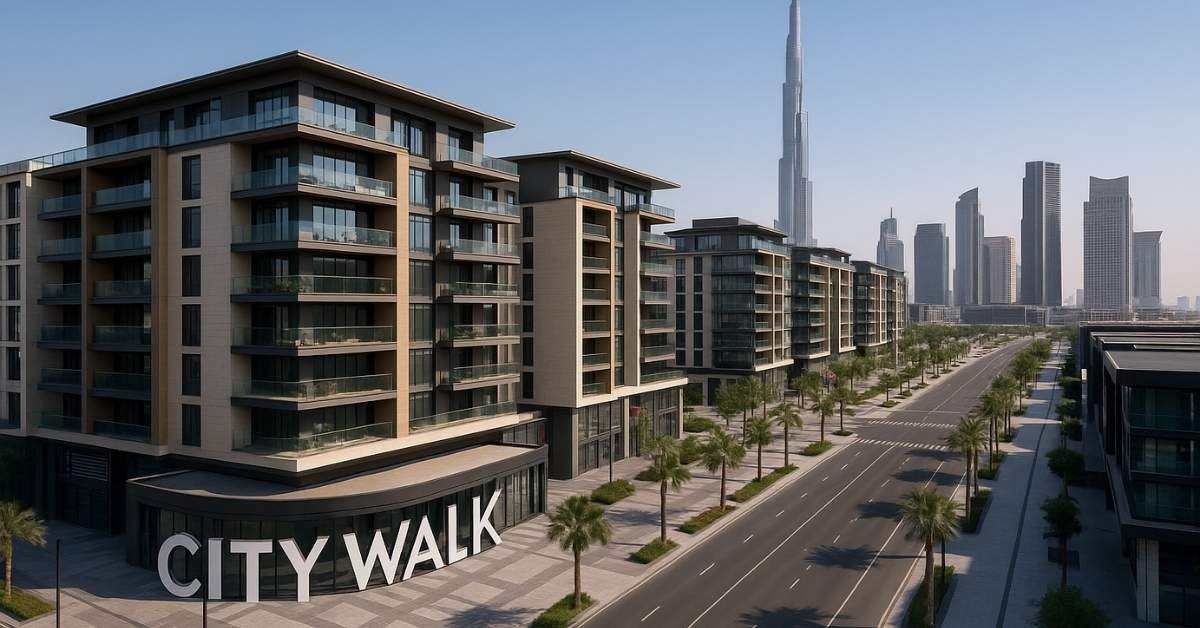
    Meraas has officially approved its $120 million City Walk Northline Residential Project in Dubai, marking a significant milestone for one of the city’s most in-demand urban lifestyle districts. The approval aligns with a record-breaking real estate cycle that saw over 50,000 homes sold in Q3 2025, while office rents surged 35% year-on-year, according to the Dubai Land Department (DLD) and CBRE. The move signals strengthening confidence among developers, investors, and residents as demand continues to rise for premium mixed-use communities and modern Residential Projects in Dubai.

    Q3 by the Numbers

    Metric Q3 2025 YoY Change
    Residential Transactions 50,400+ +22%
    Transaction Value AED 180B +19%
    Office Rent Growth +35% Record High
    Occupancy Rate 92% Stable

    Key Takeaways:

    Residential Market: Sales, Prices, & Hot Spots

    Dubai’s residential market continues to be dominated by off-plan sales. Buyers prioritise walkability, lifestyle amenities, and proximity to business districts areas where City Walk excels.

    Community Why It’s Trending
    City Walk Urban luxury, retail access, walkable lifestyle
    Downtown Dubai High-rise living, Burj Khalifa district
    JVC Affordable investments with stable yields
    Dubai Creek Harbour Waterfront community demand
    Business Bay Investor-focused new launches
    • Apartment prices in premium districts rose 11–14% YoY.
    • Europeans, GCC nationals, and Indian buyers dominate this segment.
    • Strong rental yields of 6–8% enhance investor appetite.

    Commercial/Office Market: Rents, Demand, & Supply

    Metric Q3 2025 Insight
    Grade A Rent AED 230/sq ft Highest in 10 years
    Prime Vacancy 0.3% Severe shortage
    Overall Vacancy 7.7% New supply coming
    Net Absorption Strong Driven by tech & finance

    The demand-supply imbalance in Grade A offices boosts rental growth, particularly in walkable districts like City Walk.

    Supply Pipeline & Developer Activity

    Dubai’s development landscape continues to expand with high-value launches, masterplan upgrades, and a growing pipeline of luxury communities. The approval of Meraas’s $120 million City Walk Northline Residential Project in Dubai is part of a wider wave of next-generation urban developments designed to meet rising demand for walkable, amenity-rich living.

    Upcoming Projects:

    • City Walk Northline – $120M premium residences
    • Wasl 1 Residences Phase 2
    • Dubai Creek Harbour Waterfront Towers
    • Bluewaters Bay Phase 2
    • Emaar Downtown Expansion – branded towers

    Demand Drivers

    • Rapid population growth beyond 3.6 million.
    • Golden Visa programs are boosting investments.
    • A surge in tourism is increasing rental demand.
    • Preference for walkable urban mixed-use communities.
    • Strong ROI and rental yield performance.

    Risks & What to Watch

    • Potential oversupply in 2026–27 luxury launches.
    • Global economic slowdown risks.
    • Impact of rising interest rates on mortgages.
    • Construction cost inflation is affecting delivery timelines.

    Expert Quotes / Attribution

    City Walk Northline represents a new chapter in Dubai’s urban evolution, said a senior analyst at Knight Frank. Walkable luxury districts consistently outperform other segments due to lifestyle appeal and strong rental demand.

    Data Notes & Methodology

    Data sourced from DLD, CBRE, and Knight Frank Q3 2025 market reports. Figures include off-plan and ready transactions, citywide rental averages, and verified office performance metrics.

    Conclusion

    Meraas’s $120M approval for City Walk Northline highlights Dubai’s strong urban living momentum. With rising demand for premium walkable communities, the development is positioned to become one of the most in-demand residential launches of 2025.

  • Dubai Islands Unveil New Waterfront Development Featuring 105 Luxe Homes

    Dubai Islands Unveil New Waterfront Development Featuring 105 Luxe Homes

    The iconic Dubai Islands (formerly Deira Islands) have officially launched a brand-new waterfront residential enclave consisting of 105 luxury homes, opening fresh opportunities for those looking to buy or rent in Dubai. With this release, Dubai Islands Unveil New Waterfront as one of the most anticipated premium developments of 2025, adding momentum to the emirate’s high-end property segment. The broader market is witnessing a wave of premium activity as buyers and tenants respond to evolving lifestyle preferences this year. 

    Q3 by the Numbers

    Metric Q3 2025 YoY Change
    Residential Transactions 50,000+ +20%
    Luxury Segment Unit Sales 3,200 units +X% (premium price tier)
    Average Waterfront Villa Price AED 4.5 million+ +12% approx
    Rental Growth (Luxury Sector) +22% Record high in Q3

    The premium end of the market, especially waterfront developments, continues to outpace general growth. New launches like those at the Dubai Islands are timed to capture buyers wishing to buy or rent luxury products in Dubai. Off‑plan luxury homes remain especially popular amid sought‑after locations and branded amenities.

    Residential Market: Sales, Prices and Hot Spots

    Development on the Dubai Islands strengthens the trend towards waterfront, branded, and master‑planned communities. For those searching to buy or rent in Dubai, the market is increasingly bifurcating: on‑plan luxury villa/apartment launches versus ready stock in established areas.

    Community Why It’s Hot
    Dubai Islands New waterfront homes, island lifestyle, high‑end branding
    Palm Jumeirah Established luxury island with resale appeal
    Dubai Creek Harbour Branded residences, strong family demand
    Arabian Ranches III Stock for families preferring land‑rich villas

    The 105‑unit launch offers lock‑in pricing and tailored payment plans, positive for buyers looking to buy or rent in Dubai. Villa and townhouse prices in top waterfront zones have risen 10–15% year over year. Tenant demand in branded residences remains strong, especially from expatriate families and high‑net‑worth individuals.

    Commercial/Office Market: Rents, Demand and Supply

    Metric Q3 2025 Comment
    Grade A Office Rent AED 230/sq ft Premium locations commanding top rates
    Retail Vacancy (Prime) 4% Low vacancy in island/maritime locations
    Co‑working Growth +18% Hybrid models favour lifestyle districts

    As more high‑end residents consider whether to buy or rent in Dubai, mixed‑use districts with workspace, retail, and recreation are gaining traction.

    Supply Pipeline & Developer Activity

    The 105‑unit launch on Dubai Islands marks one of several high‑impact developments in the pipeline for 2025–2027.

    • Dubai Islands 105 signature residences (waterfront)
    • Branded residences by international luxury hotel groups (launching 2026)
    • Mixed‑use towers with smart‑home integration and work hubs
    • Mid‑luxury segments in suburban master‑plans for renting and entry ownership

    Demand Drivers

    • Wealthy global buyers are seeking lifestyle homes and island living.
    • Expatriate families and professionals want premium rentals or ownership.
    • Visa reforms and long‑term visas are improving ownership attractiveness.
    • Limited supply in prime waterfront zones, driving urgency for those who want to buy or rent in Dubai.
    • Tourism and relocation flows are boosting mid‑term rentals and high‑end rentals.

    Risks & What to Watch

    The luxury waterfront segment may face oversupply if many projects launch simultaneously.

    • Price sensitivity remains for mid‑income purchasers or renters.
    • Rising interest rates could affect mortgage costs and rental affordability.
    • Global capital market volatility could impact foreign buyer interest.

    Expert Quotes / Attribution

    The launch of 105 luxury homes at Dubai Islands signals that waterfront living in Dubai remains a strong draw for global investors and high‑end tenants alike, said John Stevens, Senior Research Director at Knight Frank Middle East. For anyone looking to buy or rent in Dubai, timing and product location are now more critical than ever.

    Data Notes & Methodology

    Data is compiled from the Dubai Land Department (DLD), Knight Frank Middle East, and CBRE’s Q3 2025 property market reports. Figures reflect aggregated city‑wide transactions and premium‑segment pricing, and all comparisons are on a year‑on‑year basis unless otherwise noted.

  • Dubai 2030 Vision and Future Projects: A Roadmap to Innovation

    Dubai 2030 Vision and Future Projects: A Roadmap to Innovation

    Dubai’s journey toward 2030 is more than just another development milestone; it’s a blueprint for the future. Through the Dubai 2030 Vision and Future roadmap, the city aims to transform itself into a global capital of innovation, sustainability, and economic excellence. Built on the foundations of innovative governance, green growth, and technological progress, this vision represents the next chapter in Dubai’s evolution as one of the world’s most forward-thinking metropolises.

    What Is Dubai Vision 2030?

    Dubai’s Vision 2030 brings together three interconnected goals: innovation, sustainability, and inclusivity into one cohesive path of progress. It focuses on smart innovation, turning Dubai into a global leader in AI, automation, and digital services that boost both public and private sector efficiency. At the same time, it emphasises sustainable growth through clean energy initiatives, eco-friendly architecture, and environmental conservation to ensure long-term balance and climate resilience. 

    Finally, it promotes inclusive prosperity by expanding access to education, entrepreneurship, and creative industries, ensuring that every resident and citizen benefits from Dubai’s progress. Together, these priorities form the backbone of a forward-thinking city built on technology, responsibility, and shared opportunity.

    Key Pillars of Dubai’s 2030 Vision

    Dubai’s 2030 Vision is built upon four core pillars that serve as the foundation for its growth, blending technology, sustainability, and global connectivity to create a resilient and future-ready economy. 

    1. Digital Transformation and Technology

    At the heart of Dubai Vision 2030 lies a deep commitment to digital transformation. The emirate is rapidly advancing in AI, blockchain, and Internet of Things (IoT) adoption to build an innovative city ecosystem where governance, transport, and services are seamlessly connected. Initiatives like Smart Dubai, Dubai AI Lab, and paperless government services highlight the city’s drive to become a global leader in technology-led innovation.

    2. Economic Diversification

    Dubai’s success story is evolving beyond oil dependency toward a knowledge-driven economy. Vision 2030 focuses on expanding key sectors such as finance, real estate, tourism, logistics, and clean energy, while fostering emerging industries like FinTech, health tech, and green mobility.

    3. Sustainability and Smart Cities

    Sustainability is not just a principle in Dubai’s 2030 roadmap; it’s a necessity. The vision integrates green infrastructure, renewable energy, and climate-conscious urban design to align with the Dubai Clean Energy Strategy 2030 and Net Zero 2050 goals. Projects like the Mohammed bin Rashid Al Maktoum Solar Park and Dubai Reef initiative reinforce the emirate’s commitment to eco-friendly innovation. 

    4. Enhanced Connectivity and Infrastructure

    To support its global ambitions, Dubai is investing heavily in connectivity and advanced infrastructure. From Dubai Metro expansions and Hyperloop proposals to smart logistics and port automation, the city is creating one of the world’s most efficient transport and trade networks. 

    Major Future Projects Under Vision 2030

    Dubai’s Vision 2030 is being realised through a series of landmark projects and transformative initiatives that blend cutting-edge technology, sustainability, and world-class infrastructure. Each project serves a distinct purpose, from reshaping urban living to redefining global tourism and investment standards. Together, they reflect Dubai’s commitment to building a smart, connected, and future-ready city.

    1. Smart City and Digital Innovation

    Dubai is accelerating its digital transformation through projects that turn the emirate into a fully integrated smart city. Initiatives like Smart Dubai 2025, Dubai Data Strategy, and the Dubai Blockchain Strategy aim to make government operations completely paperless and data-driven. The Dubai AI Roadmap also promotes automation in public services, healthcare, and mobility. 

    2. Sustainable Urban Development

    Sustainability is central to Dubai’s 2030 roadmap. The Dubai 2040 Urban Master Plan focuses on expanding green spaces, mixed-use communities, and pedestrian-friendly districts. Projects like the Dubai Sustainable City, Dubai Clean Energy Strategy 2030, and Dubai Reef Initiative support the city’s mission to reduce its carbon footprint and enhance environmental resilience. 

    3. Mega Infrastructure Projects

    Dubai continues to invest in large-scale infrastructure projects that define its global skyline. The Palm Jebel Ali revival project aims to create an entirely new residential and tourism hub, while Dubai Creek Harbour will become a model for sustainable waterfront development. Additionally, expansions in the Dubai Metro, Route 2020, and futuristic mobility solutions like the Hyperloop network ensure that transportation remains efficient and future-proof. 

    4. Tourism and Cultural Innovation

    Building on the success of Expo 2020, Dubai continues to expand its tourism and cultural ecosystem. The Expo City Dubai development is now being transformed into a hub for innovation, sustainability, and global collaboration. Projects under the Dubai Tourism Strategy 2030 include new entertainment districts, museum expansions, and wellness tourism zones. 

    5. Economic Diversification and Innovation Hubs

    To support its long-term economic ambitions, Dubai is creating innovation clusters and free zones that attract startups, investors, and global enterprises. Projects such as Dubai Silicon Oasis 2.0, Dubai Internet City expansion, and Dubai Future District are fostering innovation in fintech, AI, biotechnology, and sustainable manufacturing.

    Social and Human Capital Development

    At the heart of Dubai Vision 2030 lies a powerful belief that the city’s most significant investment is its people. The roadmap doesn’t just focus on skyscrapers or technology; it focuses on nurturing human potential, improving quality of life, and preserving cultural identity. 

    1. Healthcare

    Dubai envisions a future where healthcare is accessible, advanced, and preventative. Under Vision 2030, the emirate is developing a robust digital health ecosystem powered by AI diagnostics, telemedicine, and data-driven care models. Initiatives like Dubai Health Strategy 2030 and Dubai Academic Health Corporation are transforming hospitals into research-driven institutions focused on personalised care and medical innovation.

    2. Education

    Education forms the foundation of Dubai’s innovation agenda. Vision 2030 prioritises future-ready learning, integrating STEM, AI, and entrepreneurship programs into academic institutions. Through initiatives like Dubai Future Academy, Mohammed bin Rashid Smart Learning Program, and Knowledge and Human Development Authority (KHDA) reforms, the city is preparing students for a knowledge-driven economy.

    3. Culture

    While Dubai looks firmly toward the future, it also safeguards its rich cultural heritage. Vision 2030’s cultural goals focus on promoting creative industries, arts, and heritage preservation through initiatives like the Dubai Culture Strategy 2030. The development of innovative clusters such as Al Quoz Creative District and restoration projects in Al Fahidi Historical Neighbourhood

    Changes in Investment policies

    Investment is the driving engine behind Dubai Vision 2030, fueling the emirate’s transformation into a global hub for business, innovation, and sustainable growth. By creating a highly competitive investment ecosystem, Dubai continues to attract entrepreneurs, multinational corporations, and future-focused investors who seek long-term value and stability in a dynamic market.

    1. Foreign Direct Investment (FDI) Growth

    Dubai has positioned itself among the world’s top cities for foreign direct investment, thanks to its transparent regulations, strategic location, and innovation-led economy. Under Vision 2030 and the Dubai Economic Agenda (D33), the city aims to double its FDI inflows by diversifying opportunities across high-value sectors such as clean energy, digital technologies, AI, and logistics.

    2. Real Estate and Infrastructure Investment

    The real estate sector remains one of the cornerstones of Dubai’s investment strategy. Vision 2030 emphasises sustainable urban expansion through iconic developments such as Palm Jebel Ali, Dubai Creek Harbour, and Dubai Islands, all of which align with the Dubai 2040 Urban Master Plan.

    3. Innovation and Startup Ecosystem

    Dubai is actively shaping a knowledge-driven investment landscape by empowering startups, incubators, and venture capital ecosystems. Through initiatives like the Dubai Future District Fund, Dubai Silicon Oasis 2.0, and Dubai Internet City, Vision 2030 nurtures entrepreneurship in sectors such as FinTech, EdTech, HealthTech, and AI.

    Conclusion

    As Dubai marches toward 2030, its vision stands as a bold declaration of what the future of urban life can be: innovative, sustainable, and people-centric. Through the synergy of the D33 Economic Agenda, the 2040 Urban Master Plan, and countless transformative projects, Dubai is crafting a model city that thrives on technology, inclusivity, and global collaboration.

  • Dubai Real Estate Soars as fäm Properties Launches AED 3 Billion Luxury Project

    Dubai Real Estate Soars as fäm Properties Launches AED 3 Billion Luxury Project

    Dubai Real Estate Soars in 2025 as the property market continues its record-breaking momentum. fäm Properties has unveiled a massive AED 3 billion ultra-luxury collection, further fueling investor enthusiasm. The launch coincides with a buoyant real estate sector that saw over 50,000 homes sold and office rents surge by 35% year-on-year in Q3 2025, according to the Dubai Land Department (DLD). The city’s ongoing appetite for premium housing underscores Dubai’s position as one of the world’s most resilient and lucrative property markets.

    Q3 by the Numbers

    Dubai’s property data reflects strong market fundamentals and investor confidence.

    Metric Q3 2025 YoY Change
    Residential Transactions 50,400 +22%
    Transaction Value AED 180 Billion +19%
    Office Rent Growth +35% Record High
    Occupancy Rate 92% Stable

    Residential Market: Sales, Prices, and Hot Spots

    Dubai’s residential sector continues to be the heartbeat of its real estate expansion. Off-plan properties dominate with nearly 70% of total transactions, reflecting strong investor trust in developer-backed projects.

    Commercial/Office Market: Rents, Demand, and Supply

    Dubai’s office sector is witnessing an unprecedented boom, with demand from tech firms, finance companies, and global consultancies driving rents to record highs.

    Supply Pipeline & Developer Activity

    Developers are responding aggressively to sustained demand. The new fäm Properties AED 3 Billion Luxury Collection includes high-end residential towers featuring branded interiors, smart home systems, and exclusive lifestyle amenities.

    Demand Drivers

    Population growth, Golden Visa incentives, tourism boom, and strong ROI continue to power Dubai’s property market.

    Risks & What to Watch

    Potential oversupply, global slowdown risks, and affordability pressures could moderate growth in select segments.

    Expert Quotes / Attribution

    Dubai’s luxury real estate sector has entered a new growth cycle fueled by global investor confidence, said Faisal Durrani, Partner Head of Research, Knight Frank Middle East.

    Data Notes & Methodology

    Data derived from Dubai Land Department (DLD), CBRE, and Knight Frank Middle East’s Q3 2025 reports.

    Conclusion

    Dubai’s property market remains a magnet for global wealth and innovation. The AED 3 billion luxury debut by fäm Properties isn’t just another project launch; it’s a signal of Dubai’s unstoppable ascent as a world-class real estate destination. With record sales, resilient demand, and visionary developments on the horizon, 2025 is shaping up to be another landmark year for the Dubai real estate market.

  • Palm Jumeirah Dubai Real Estate Guide

    Palm Jumeirah Dubai Real Estate Guide

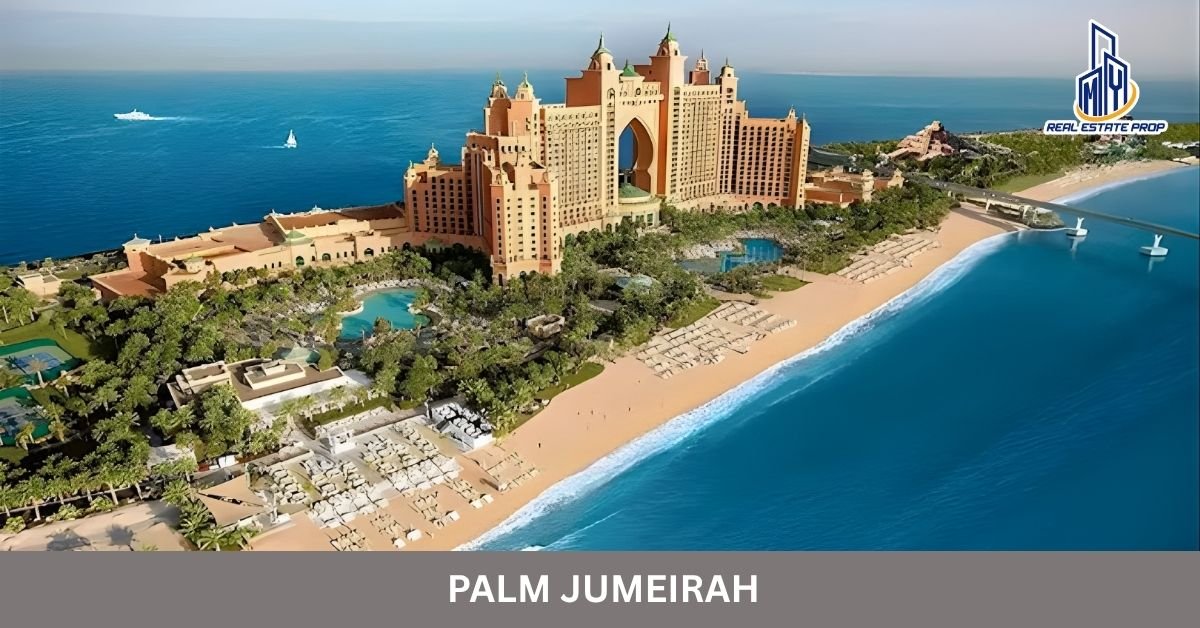
    Palm Jumeirah Dubai real estate offers one of the most iconic waterfront living experiences in the city, set on the palm‑shaped archipelago off the coast of Dubai. Located just off the Jumeirah coastline, this elite address marries luxury lifestyle and strong investment appeal, drawing both high‑net‑worth individuals and discerning residents seeking privacy, beach access and skyline views.

    Feature Details
    Location Palm Jumeirah, Jumeirah, Dubai, United Arab Emirates
    Developer Nakheel Properties
    Property Type Luxury villas, waterfront apartments, branded residences
    Average ROI Approx. ~6% 
    Starting Price AED 15 Million+ 
    Nearest Metro Palm Monorail (links to Red Line)

    Key Highlights / Why Choose Palm Jumeirah?

    Palm Jumeirah stands out for its elevated lifestyle appeal and investment strength.

    • Premium lifestyle & urban connectivity
    • Iconic architecture and skyline views
    • Proximity to business hubs
    • Family‑friendly community
    • Excellent investment opportunities

    Location & Connectivity

    Palm Jumeirah is located off the coast of the Jumeirah area of Dubai, extending into the Persian Gulf, forming a palm-tree-shaped island connected by the trunk to the mainland. The community benefits from excellent road and sea links, plus the Palm Monorail.

    Destination Distance / Drive Time
    Dubai International Airport ~30‑35 mins
    Dubai Marina ~15‑20 mins
    Business Bay ~15 mins
    Jumeirah Beach ~5 mins

    Nearby Attractions & Landmarks

    • Burj Khalifa – World’s tallest building
    • The Dubai Mall – World’s largest shopping destination
    • Dubai Fountain – Iconic evening show
    • Souk Al Bahar – Arabian-style shopping complex
    • Dubai Opera – Cultural and entertainment hub

    Popular Properties in Palm Jumeirah

    • Burj Khalifa Residences – Developed by Emaar Properties; ultra‑luxury apartments.
    • The Address Downtown – Emaar; branded residences with top service.
    • DAMAC Maison – Serviced apartments ideal for rental investors.
    • Emaar Boulevard Heights – 1‑4 bedroom units in prime zones.
    • The Lofts – Boutique apartments for modern executives.

    Property Types & Price Trends

    Property Type Average Size Average Price (AED) Rental Yield
    Studio 450–550 sq ft 2,000,000+ 4%
    1‑Bed Apartment 750–900 sq ft 3,000,000–4,500,000+ 4.5%
    2‑Bed Apartment 1,100–1,400 sq ft 5,000,000–7,500,000+ 5%
    3‑Bed Apartment 1,600–2,000 sq ft 8,000,000–12,000,000+ 5.5%

    Market Insights & Investment Potential

    • Consistent rental demand among affluent tenants
    • High ROI due to tourism and exclusivity
    • Freehold ownership options for foreigners
    • Strong resale market in premium segment
    • New off‑plan developments attracting investors

    Amenities & Lifestyle

    • Schools: GEMS Wellington International School, and Regent International School
    • Healthcare: Emirates Hospital Clinic, and Al Das Medical Clinic
    • Retail & Leisure: Nakheel Mall, and Palm West Beach

    Things to Do & Entertainment

    • Shopping, dining, and nightlife
    • Cultural events at Dubai Opera
    • Family walks near Dubai Fountain
    • Rooftop dining experiences

    Pros & Cons

    Pros Cons
    Prestige and global recognition High entry and maintenance costs
    Beachfront luxury lifestyle Limited mid-market options
    Strong rental and resale demand Traffic congestion at peak hours

    Ideal for

    • Luxury property investors
    • Expats seeking premium lifestyle
    • Families wanting upscale amenities
    • Corporate professionals

    Expert Tips for Buyers & Renters

    • Check the developer’s reputation.
    • Compare off-plan and ready projects.
    • Evaluate ROI carefully.
    • Work with RERA-certified brokers.
    • Consider the total cost of ownership.

    Conclusion

    Palm Jumeirah Dubai real estate remains a timeless symbol of luxury, innovation, and wise investment. From its world-renowned palm-shaped design to its exclusive collection of villas, apartments, and branded residences, every aspect of Palm Jumeirah reflects Dubai’s vision for architectural excellence and lifestyle perfection.

  • AI & Immersive Tech Transform Dubai Real Estate Market

    AI & Immersive Tech Transform Dubai Real Estate Market

    The Dubai Real Estate Market is undergoing a seismic digital transformation powered by Artificial Intelligence (AI) and immersive technologies such as Augmented Reality (AR), Virtual Reality (VR), and the Metaverse. According to recent data from the Dubai Land Department (DLD) and global property consultancies like CBRE, AI-driven pricing systems, predictive analytics, and virtual property tours are redefining the way buyers, investors, and developers interact with the market.

    Tech by the Numbers

    Metric Q3 2025 YoY Change
    AI adoption in listings platforms 65% +20%
    Virtual tours used in property sales 48% +15%
    Metaverse-linked real estate projects 12 major projects +40%
    Average lead-to-sale conversion (AI-aided) 22% +8%

    Key Takeaways:

    • AI tools are driving faster deal closures and better valuation accuracy.
    • Virtual and metaverse experiences are reshaping buyer engagement.
    • Data-driven decision-making is becoming central to Dubai’s property strategy.

    Smart Homes and Digital Sales Surge

    AI-powered listings, predictive analytics, and smart home integration are transforming both off-plan and luxury segments. Developers like Emaar, Sobha Realty, and Damac are increasingly investing in immersive visualization technologies that allow buyers to explore, customize, and reserve properties remotely.

    Developer Tech Integration Project Highlight
    Emaar AI-driven pricing & AR show units Dubai Creek Harbour
    Sobha Realty VR experience centers Sobha Hartland II
    Damac Metaverse-ready luxury projects Damac Lagoons

    Key Takeaways:

    • Off-plan projects dominate due to AI-backed lead scoring and dynamic pricing.
    • Buyers increasingly use AR/VR for home selection before site visits.
    • Digital-savvy investors from Europe and Asia are driving cross-border demand.

    Commercial/Office Tech Transformation

    Artificial Intelligence and digital twin technology are reshaping the commercial property sector by optimizing space utilization, energy efficiency, and tenant experience. With office rents climbing 35% year-on-year and vacancy rates at historic lows, technology-driven assets are the most sought after by multinational firms and AI companies expanding their operations in Dubai.

    Office Metric Q3 2025 Comment
    Avg. rent (Savills basket) AED 233/sq ft New record high
    YoY growth +35% Driven by AI/tech tenants
    Vacancy (Prime/Core) 0.3% Almost full occupancy

    AI firms, proptech startups, and data centers are fueling office demand, while smart buildings appeal to global tenants seeking ESG compliance and long-term sustainability.

    Developer Activity & Upcoming Projects

    Dubai developers are racing to integrate AI and immersive technologies into their new projects. 

    Among the standout developments are:

    • Azizi Developments’ AI-powered residences in Al Jaddaf.
    • Emaar’s digital twin-enabled mixed-use community.
    • Damac’s metaverse villas accessible via VR platforms.
    • Dubai South’s new PropTech cluster aimed at startups and R&D innovation.

    Key Demand Drivers

    • Government push for Smart Dubai 2031 and AI-first policies.
    • Surging population and international investor migration.
    • AI-friendly regulations encouraging innovation hubs.
    • Tourism revival driving adoption of short-term rental tech solutions.

    Risks & Challenges

    • High cost of implementation for smaller developers.
    • Data privacy and evolving AI regulations.
    • Shortage of skilled professionals in AI and PropTech.
    • Overreliance on digital tools may marginalize traditional investors.

    Expert Insight

    Dubai’s real estate is moving beyond luxury, it’s moving toward intelligence, said Andrew Knight, Global Data & Tech Lead at RICS. “AI and immersive tools are no longer optional; they’re the backbone of decision-making and user experience.”

    Data Notes & Methodology

    Data timeframe: Q3 2025.
    Sources: Dubai Land Department (DLD), Savills, CBRE, and DXB Interact.
    Metrics are compiled from developer reports, consultancy insights, and proptech adoption data.

  • Dubai Property Market Hits 177,000 Deals Even After October Slow-Down

    Dubai Property Market Hits 177,000 Deals Even After October Slow-Down

    Dubai’s property market continues to defy global trends, recording 177,000 real estate transactions in 2025 despite a mild slowdown in October. According to data from the Dubai Land Department (DLD), the Dubai Property Market saw over 50,000 homes sold in Q3 alone, while office rents surged 35% year-on-year a clear sign of sustained investor confidence and strong end-user demand across both residential and commercial segments.

    Q3 by the Numbers

    Metric Q3 2025 YoY Change
    Residential Transactions 50,400 +22%
    Transaction Value AED 180 billion +19%
    Office Rent Growth +35% Record high
    Occupancy Rate 92% Stable

    Key Takeaways:

    • Market momentum persisted beyond seasonal trends.
    • Investors favored off-plan apartments in central communities.
    • Prime office spaces continue to face supply constraints.

    Residential Market: Sales, Prices, and Hot Spots

    Top Communities Key Reason for Demand
    Jumeirah Village Circle (JVC) Affordable off-plan launches
    Business Bay Investor focus, strong rental yields
    Dubai Marina Waterfront lifestyle, luxury re-sales
    MBR City Premium villas and family housing
    Arjan Mid-segment affordability

    Supporting Points:

    • Off-plan sales dominate ~60% of total residential deals.
    • Average price per sq. ft. up by 12–15% YoY in prime areas.
    • Surge in overseas buyers from Europe and South Asia.

    Commercial/Office Market: Rents, Demand, and Supply

    Metric Q3 2025 Comment
    Avg. Rent (Grade A) AED 233/sq ft New record high
    Citywide Vacancy ~7.7% Limited prime space
    Prime Vacancy ~0.3% Virtually full
    YoY Growth +35% Driven by tech & finance tenants

    Commentary:

    • High-end office spaces in DIFC and Downtown are nearly sold out.
    • Hybrid work has stabilized; firms expanding regional HQs in Dubai.

    Supply Pipeline & Developer Activity

    • Emaar: Expanding The Oasis masterplan and Creek Waters 2.
    • Sobha Realty: Launches Hartland II villas focusing on sustainability.
    • Damac: Unveils Metaverse-ready Lagoons community.
    • Luxury projects targeting global investors seeking long-term UAE residency.

    Demand Drivers

    • Population growth surpassing 3.8 million in 2025.
    • Golden Visa program drawing international buyers.
    • Strong rental yields (6–9%) attracting investors.
    • Tourism and job creation sustaining housing demand.
    • Stable governance and tax-free benefits adding global appeal.

    Risks & What to Watch

    • Possible oversupply in mid-tier apartment segments.
    • Global interest rate trends could impact affordability.
    • Currency fluctuations may influence foreign buyer sentiment.
    • Rising construction costs could slow new launches.

    Expert Quotes / Attribution

    Despite global economic uncertainties, Dubai’s real estate remains a standout performer, driven by investor-friendly reforms and infrastructure expansion, said Taimur Khan, Head of Research at CBRE Middle East.

    Data Notes & Methodology

    Data sourced from the Dubai Land Department (DLD), CBRE Q3 Market Report, and Savills Office Index, covering activity between July and September 2025.

  • Top Celebrities Who Own Luxury Homes in Dubai

    Top Celebrities Who Own Luxury Homes in Dubai

    Dubai isn’t just a playground for the rich; it’s the ultimate address of global stardom. From Bollywood icons to international sports legends, the city’s skyline is dotted with celebrity-owned mansions, penthouses, and beach villas that redefine luxury living. These A-listers aren’t just drawn to Dubai’s glitz; they’re investing in its promise of a blend of tax-free wealth, world-class lifestyle, and architectural brilliance. 

    Top 10 Celebrities who own luxury homes in dubai

    Celebrity Name Villa / Property Name
    Shah Rukh Khan Jannat – Palm Jumeirah
    Giorgio Armani Armani Residences – Burj Khalifa
    Lindsay Lohan Downtown Dubai Apartment
    Roger Federer Penthouse – Downtown Dubai
    Brad Pitt Private Island Villa – The World Islands
    Madonna Mediterranean Villa – The World Islands
    Cristiano Ronaldo Palm Jumeirah Mansion
    Hilary Swank Beachfront Villa – Palm Jumeirah
    Michael Schumacher Private Island Mansion – The World Islands
    Huda Kattan Luxury Mansion – Emirates Hills

    Shah Rukh Khan

    Shah Rukh Khan

    Shah Rukh Khan, often called the King of Bollywood, owns one of the most iconic celebrity villas on Palm Jumeirah, Dubai’s artificial island shaped like a palm tree. His luxury residence, named “Jannat, is a sea-facing mansion gifted by Nakheel Developers in 2007 as a gesture of recognition for his immense popularity across the UAE. Spread over 8,500 square feet, Jannat features private beach access, state-of-the-art interiors, and breathtaking views of the Dubai skyline. It serves as SRK’s family retreat, where he spends time during breaks from shooting and hosts close friends.

    Giorgio Armani 

    Giorgio Armani

    The name Giorgio Armani is synonymous with sophistication, and his connection with Dubai’s skyline is as stylish as his fashion legacy. The legendary Italian designer not only owns property in the city but also left his artistic imprint on one of its most iconic landmarks, the Armani Residences inside the Burj Khalifa. His Dubai home is more than just real estate; it’s a living gallery of the Armani brand, understated, exclusive, and timeless. It perfectly captures why Dubai continues to attract the world’s top creative minds, offering a blend of architecture, art, and aspiration like nowhere else.

    Lindsay Lohan 

    Lindsay Lohan

    Once known for her Hollywood spotlight, Lindsay Lohan has found her peace and privacy in Dubai, a city she now proudly calls home. The actress moved to the UAE in 2014 and has since embraced a calmer lifestyle away from the paparazzi frenzy of Los Angeles. Her residence is located in Downtown Dubai, close to the Burj Khalifa, a sleek, modern apartment offering panoramic city views and complete exclusivity. Lohan often shares glimpses of her Dubai life on social media, reflecting her love for the city’s balance between glamour and serenity.

    Roger Federer 

    Roger Federer

    Roger Federer, one of tennis’s greatest champions, has long shared a special bond with Dubai both as his training base and his home. The Swiss legend owns a luxurious penthouse in Downtown Dubai, close to the Burj Khalifa, where he spends the winter months with his family. Federer chose Dubai for its world-class facilities, year-round sunshine, and privacy, which allow him to train and relax without the constant media attention. His home reportedly features modern minimalist interiors, floor-to-ceiling glass walls, and breathtaking skyline views perfectly reflecting his elegant yet disciplined persona.

    Brad Pitt 

    Brad Pitt

    Brad Pitt, known for his passion for architecture and design, is among the Hollywood A-listers who have invested in Dubai’s high-end real estate. The Oscar-winning actor owns property within the Dubai World Islands, an exclusive artificial archipelago designed to resemble a map of the world. His villa is said to be located on one of the private islands, offering complete seclusion, beachfront access, and panoramic views of the Arabian Gulf. Built with eco-conscious materials and minimalist elegance, the home reflects Pitt’s personal interest in sustainable architecture and modern design.

    Madonna 

    Madonna

    Madonna, the Queen of Pop and global icon of reinvention, owns a stunning property in The World Islands, Dubai, the same ultra-exclusive archipelago that has attracted other Hollywood heavyweights. Her luxury villa is located on a private island, designed to offer complete privacy, beachfront tranquility, and breathtaking views of Dubai’s coastline. Dubai’s security, exclusivity, and cultural openness have made it a perfect choice for the pop icon, who values both independence and inspiration. Her investment adds to the city’s reputation as a sanctuary for creative legends seeking luxury without limits.

    Cristiano Ronaldo 

    Cristiano Ronaldo

    Cristiano Ronaldo, one of the most celebrated footballers in the world, is no stranger to Dubai’s luxury lifestyle. The Portuguese icon owns a lavish property in Palm Jumeirah, an area famous for its exclusive celebrity residences and breathtaking sea views. His Dubai mansion reflects his signature taste for grandeur, featuring private beach access, high-end interiors, multiple pools, and a panoramic view of the Arabian Gulf. Ronaldo frequently visits Dubai with his family, especially during the off-season, to relax and attend global events like the Dubai Globe Soccer Awards, where he’s often honored.

    Hilary Swank 

    Hilary Swank

    Hilary Swank, the two-time Academy Award-winning actress, has joined the growing list of global celebrities investing in Dubai’s luxury real estate scene. Known for her elegant lifestyle and love of travel, Swank owns a stylish beachfront property in Palm Jumeirah, one of the city’s most coveted residential locations. Her home exudes understated sophistication with modern glass architecture, a private pool, and serene views of the Arabian Gulf. It serves as both a peaceful retreat and a base for her wellness-driven lifestyle. 

    Michael Schumacher 

    Michael Schumacher

    Michael Schumacher, the Formula 1 legend and seven-time world champion, has a special connection with Dubai that goes beyond racing. He was gifted a stunning private mansion on The World Islands by Dubai’s ruler, Sheikh Mohammed bin Rashid Al Maktoum, as a token of admiration for his sporting achievements and global influence. The luxury villa, located on its own island, offers breathtaking 360° views of the Arabian Gulf, complete privacy, and elite amenities including a private beach, yacht docking space, and an infinity pool. 

    Huda Kattan 

    Huda Kattan

    Huda Kattan, one of the world’s most influential beauty entrepreneurs and the founder of Huda Beauty, proudly calls Dubai her home. Unlike many celebrities who moved here later in life, Huda built her global empire right from the heart of this city, and her residence perfectly reflects that journey. Located in the upscale Emirates Hills community, often dubbed “Dubai’s Beverly Hills,” Huda’s mansion is a blend of modern luxury and personal warmth.

    Why Celebrities Love Investing in Dubai Real Estate?

    Dubai has become the ultimate magnet for global celebrities, a city where luxury, lifestyle, and long-term investment potential meet seamlessly. From movie icons to sports legends, stars are drawn not only by Dubai’s glitz but by its strategic mix of financial advantages, architectural innovation, and elite privacy.

    • Tax-Free Benefits and High ROI: Dubai’s real estate market offers a combination of a few global cities that can match zero property taxes and strong rental returns.
    • World-Class Luxury and Lifestyle: Dubai is where extravagance meets everyday life, a city built to cater to those who expect nothing short of perfection.
    • Privacy, Security, and Exclusivity: Dubai is where extravagance meets everyday life, a city built to cater to those who expect nothing short of perfection. 

    How Celebrity Investments Influence Dubai’s Real Estate Market? 

    Global icons invest in Dubai’s property market; it does more than make headlines; it reshapes buyer perception, boosts confidence, and elevates Dubai’s international real estate appeal.

    • Boosts Global Credibility: When celebrities like Shah Rukh Khan, Cristiano Ronaldo, and Giorgio Armani invest in Dubai, it signals to the world that the city’s real estate market is reliable, safe, and profitable.
    • Drives International Demand: Celebrity ownership attracts foreign investors and high-net-worth individuals (HNWIs) who want to invest in the same premium neighborhoods, such as Palm Jumeirah and Downtown Dubai.
    • Elevates Property Values: Homes located near celebrity residences often see an increase in market value, as developers and buyers associate these areas with exclusivity and prestige.
    • Media and Marketing Impact: Celebrity investments bring massive media exposure. Developers leverage these endorsements in global marketing campaigns, adding aspirational appeal to their projects.
    • Encourages Luxury Development: Their investments inspire developers to build more branded residences, designer penthouses, and high-end villas, raising the overall standard of luxury housing in Dubai.

    Conclusion: Dubai Where Luxury Meets Stardom

    Dubai has evolved into far more than a glamorous skyline; it’s now a symbol of global luxury, exclusivity, and opportunity. From Shah Rukh Khan’s Palm Jumeirah villa to Cristiano Ronaldo’s oceanfront mansion and Huda Kattan’s Emirates Hills home, the city has become the ultimate address for the world’s elite. As more stars choose to make Dubai their home, the message is clear: luxury here isn’t just about living large, it’s about living smart.

  • Dubai Real Estate Guide Jumeirah

    Dubai Real Estate Guide Jumeirah

    Welcome to your go-to guide for Jumeirah Dubai real estate, a prime coastal enclave known for luxury living, prestigious addresses, and investment-grade opportunities. Nestled along the Arabian Gulf and just minutes from the heart of the city, Jumeirah offers a unique blend of beachfront serenity, urban convenience, and strong investor appeal. Whether you’re looking to rent, buy, or invest, this area stands out in Dubai’s dynamic property landscape.

    Quick Overview 

    Feature Details
    Location Arabian Gulf, west of Dubai city centre
    Developer UAE developers
    Property Type Villas, townhouses, and apartments 
    Average ROI 4.8% 
    Starting Price AED 4–5 million 
    Nearest Metro Sheikh Zayed Road / Dubai Marina metro stations

    Key Highlights / Why Choose Jumeirah?

    Jumeirah stands out as one of Dubai’s most desirable addresses combining beachfront ambience, urban connectivity, and high-end investment potential.

    • Premium lifestyle & seamless urban connectivity (beach, city, business hubs)
    • Iconic architecture, skyline, and waterfront views (making it visually and socially prestigious)
    • Proximity to major business hubs and major road arteries
    • Family-friendly community environment with beaches, parks & low-rise living
    • Excellent investment opportunities in a market with strong capital-appreciation potential

    Location & Connectivity

    Located along the iconic coastline of Dubai, Jumeirah enjoys both tranquil beachfront charm and easy access to the city’s key amenities and transport links. Major highways like Sheikh Zayed Road and Al Wasl Road serve the area, and while the metro doesn’t run directly through all parts of Jumeirah, the adjacent communities provide good connectivity.

    Destination Distance / Drive Time
    Dubai International Airport ~25–30 mins (depending on traffic)
    Dubai Marina ~10–15 mins
    Business Bay ~15–20 mins
    Jumeirah Beach Within the area (minutes away)

    Nearby Attractions & Landmarks

    • Burj Khalifa – The world’s tallest building, dominating the skyline.
    • The Dubai Mall – One of the world’s most extensive shopping and entertainment complexes.
    • Dubai Fountain – Stunning water-and-light show, ideal for evening strolls.
    • Souk Al Bahar – An Arabian-style shopping and dining destination near the downtown area.
    • Dubai Opera – A cultural hub offering concerts, shows, and world-class events.

    Popular Properties in Jumeirah

    • Burj Khalifa Residences: Developed by Emaar Properties, this landmark project offers ultra-luxury apartments in the tallest building in the world, commanding premium prices.
    • The Address Downtown: Also by Emaar, this branded residence-hotel hybrid offers 1- to 3-bed apartments in the downtown/Jumeirah vicinity, ideal for both investors and high-end residents.
    • DAMAC Maison: By DAMAC Properties, offering serviced apartments in the area popular with expatriates and corporate renters.
    • Emaar Boulevard Heights: A newer launch by Emaar featuring high-rise luxury apartments in the downtown/Jumeirah fringe, appealing for growth.
    • The Lofts: Boutique styled residences offering loft-style layouts, niche but desirable in the Jumeirah corridor.

    Property Types & Price Trends

    When considering Jumeirah real estate, it’s helpful to understand the typical property types, sizes, price ranges, and rental yields. The following table provides an approximate snapshot based on recent market data. 

    Property Type Average Size Average Price Rental Yield
    Studio ~400–500 sq ft ~AED 4 million ~4.5–5%
    1-Bed Apartment ~650–900 sq ft ~AED 5–8 million  ~4.5–5.5%
    2-Bed Apartment ~1,100–1,400 sq ft ~AED 8–12 million  ~4.5–6%
    3-Bed Apartment ~1,500–2,000 sq ft ~AED 12–20 million+ ~4.5–6.5%

    Market Insights & Investment Potential

    Investing or renting in Jumeirah offers a strong proposition, but you should go in with a clear understanding of current trends, risks, and potential.

    Key Investment Benefits

    • High capital-appreciation potential: premium locations like Jumeirah are outperforming many suburban areas.
    • Strong rental demand: beachfront and premium apartments attract both expats and high-net-worth occupants.
    • Freehold ownership is available for foreigners in many Jumeirah developments, making it accessible to international buyers.
    • Established resale market: fewer surprises, better liquidity than some emerging areas.
    • Off-plan and ready-to-move options: buyers can choose based on personal use vs investment horizon.

    Market Trends & Watch-outs

    • While prices are rising, some analysts (e.g., Fitch Ratings) forecast potential downward pressure of up to 15% if supply outpaces demand.
    • Supply pipeline: Dubai expects a large pipeline of new units coming online, which could moderate future appreciation.
    • Yield pressure: As capital values rise, gross yields tighten unless rents increase accordingly.
    • Location and project quality matter: Premium views, developer reputation, and access will drive performance.

    Amenities & Lifestyle

    • Jumeirah offers an enviable lifestyle blending beach access, family-friendly features, and city convenience.
    • Schools: Reputed international schools are within driving distance, which is key for families.
    • Healthcare: Modern hospitals and clinics nearby; access to quality healthcare for residents.
    • Retail & Leisure: Boutique shops, high-end malls, beachfront dining, cafés catering to luxury and expat lifestyle.

    Things to Do & Entertainment

    • Living in Jumeirah means you’re never far from fun, either for a casual evening or upscale weekend outing.
    • Shopping, dining, and nightlife along the beachfront cafés or upscale hotels.
    • Attend cultural events at Dubai Opera or nearby venues.
    • Enjoy family walks by the Dubai Fountain or along the beach promenade.
    • Rooftop dining experiences with skyline/sea views.
    • Water sports, beach clubs, and wellness centres for an active lifestyle.

    Pros & Cons 

    Pros Cons
    Prestigious address with premium appeal Higher entry cost compared to many other areas
    Excellent lifestyle amenities and beachfront access Rental yields are moderate (yield trade-off for capital appreciation)
    Strong capital-appreciation potential Potential oversupply risk in luxury space
    Good resale demand & international buyer friendly Traffic and congestion in peak times
    Freehold ownership available for foreigners Maintenance and service fees can be higher

    Ideal For

    • Luxury property investors looking for capital growth.
    • Expats seeking a central, high-quality lifestyle in Dubai.
    • Families want premium amenities, beach access, and a relaxed yet central home base.
    • Corporate professionals desiring a prestigious address with easy access to business hubs.

    Expert Tips for Buyers & Renters

    • Check the developer’s reputation and track record. Choose developments by well-known names with good delivery history.
    • Compare off-plan vs ready properties. Off-plan may offer lower entry but carry construction-completion risk; ready lets you move in or rent immediately.
    • Evaluate ROI before finalising. While capital appreciation is strong, ensure rental yield and occupancy make sense.
    • Work with certified brokers and legal advisors. Ensure contracts align with Dubai Land Department (DLD) standards and regulations.
    • Consider view, location & future supply. A sea-view or well-positioned property may protect better against supply pressures.

    Conclusion

    Jumeirah Dubai real estate represents a compelling blend of luxury living and investment potential. With its beachfront access, iconic location, and strong appeal to global buyers, it stands out in the crowded Dubai property market. For those willing to pay a premium, this area offers a distinguished lifestyle and a chance at long-term capital growth.

  • What Is the Population of Dubai? Updated Figures and Insights

    What Is the Population of Dubai? Updated Figures and Insights

    The city’s population continues to surge, driven by record-breaking migration, booming business opportunities, and world-class infrastructure. What Is the Population of Dubai today is more than just a number it’s a reflection of its unstoppable growth and global appeal. This article explores the latest population figures, growth trends, and key insights that define Dubai’s dynamic demographic landscape, offering a clear picture of who lives in this ever-evolving city and where it’s headed next.

    Why Dubai’s Population Keeps Growing Every Year? 

    Dubai’s population isn’t just growing, it’s thriving at a pace that few global cities can match. The city has transformed into a magnet for opportunity, drawing people from every corner of the world. From its booming economy to its unmatched lifestyle, there are several factors fueling this steady rise.

    1. Employment opportunities

    With sectors like technology, finance, tourism, and real estate constantly expanding, professionals from Asia, Europe, and Africa continue to relocate here in search of better careers and higher living standards.

    1. Government policy

    Initiatives such as the Golden Visa, Green Visa, and remote work programs have made it easier for entrepreneurs, skilled professionals, and even freelancers to call Dubai home for the long term.

    1. Lifestyle appeal

    Also plays a major role. Safe streets, luxury amenities,
    world-class healthcare, and tax-free income make it an attractive destination for families and individuals alike. The city’s year-round events, cosmopolitan culture, and growing sustainability focus continue to enhance its global reputation.

    Dubai Demographics: Nationalities, Age, and Workforce Structure

    Dubai’s demographics perfectly capture its identity as a melting pot of cultures and talent. The city’s population is made up of people from more than 200 nationalities, working together in one of the world’s most diverse urban environments.

    1. Nationalities and Expat Composition

    A striking feature of Dubai’s population is its expatriate majority, with around 88% of residents being foreign nationals. The largest communities come from India, Pakistan, Bangladesh, the Philippines, and Egypt, followed by professionals from the UK, Europe, and Africa. Emirati citizens make up roughly 12% of the population, a small but central part of the city’s leadership and heritage.

    2. Age Distribution and Workforce Dynamics

    Dubai’s population is young and dynamic. Nearly 70% of residents are between 25 and 44 years old, forming the backbone of the city’s workforce. This youthful age group powers Dubai’s economy across industries like technology, logistics, construction, hospitality, and finance.

    3. Workforce Structure and Employment Trends

    Dubai’s workforce is known for its skill diversity. While a large segment is engaged in construction, retail, and transport, there’s a growing shift toward digital services, AI, and green economy sectors. The government’s vision for a knowledge-driven economy is steadily reshaping employment trends, creating new opportunities for skilled expatriates and Emiratis alike.

    Factors Driving Dubai’s Rapid Population Growth

    Dubai’s remarkable population surge is no coincidence; it’s the result of strategic economic planning, global talent attraction, and a vision for inclusive development. Several key factors continue to drive the city’s rapid demographic expansion year after year.

    1. Economic Opportunities and Job Creation

    Dubai’s diversified economy remains the top magnet for migration. Once reliant on oil, the city has expanded into industries like finance, tourism, logistics, technology, and real estate. Thousands of multinational companies operate here, attracting professionals from around the world who seek career growth and tax-free income.

    2. Business-Friendly Policies and Visas

    Initiatives like the Golden Visa, Green Visa, and Freelance Permit have redefined Dubai’s residency landscape. These long-term programs allow skilled professionals, investors, and entrepreneurs to settle with greater stability, directly increasing the city’s permanent population base.

    3. Global Connectivity and Infrastructure

    Dubai’s strategic location connecting East and West and its world-class infrastructure play a massive role in population growth. With Dubai International Airport being one of the busiest globally and seamless access to 200+ destinations, the city is a natural magnet for global citizens.

    4. Real Estate Expansion and Affordable Living Options

    The continuous development of residential communities such as Dubai Hills, Jumeirah Village Circle, and DAMAC Lagoons has encouraged more people to move and stay long-term. From luxury penthouses to mid-range apartments, Dubai caters to every demographic families, professionals, and investors alike.

    5. Lifestyle Appeal and Safety

    Ranked among the safest cities in the world, Dubai offers a high standard of living, quality healthcare, and world-class education. Its mix of modern luxury, cultural diversity, and leisure experiences (from beaches to theme parks) attracts both residents and tourists looking to make it home.

    Population Density and Urban Distribution

    Dubai’s population is not only large but also strategically distributed across a city designed for balanced urban growth. Every district in Dubai tells a different story from bustling business zones to peaceful suburban neighborhoods creating a vibrant mix of residential, commercial, and cultural communities.

    1. Population Density Overview

    As of 2025, Dubai’s population density averages around 860 people per square kilometer, but this figure varies greatly depending on the area. Highly urbanized zones like Bur Dubai, Deira, and Business Bay experience densities far above the average, while newer master-planned communities on the outskirts offer more open space and lower density.

    2. High-Density Areas

    Central districts such as Downtown Dubai, Dubai Marina, and Jumeirah Lake Towers (JLT) are home to a mix of professionals and expatriates. These neighborhoods feature high-rise towers, mixed-use developments, and close proximity to offices and entertainment hubs making them hotspots for singles and young couples.

    3. Medium-Density Areas

    Communities like Al Barsha, Jumeirah Village Circle (JVC), and Mirdif represent a balanced density level. These areas attract both families and working professionals due to their accessibility, affordability, and presence of schools and healthcare facilities.

    4. Low-Density and Suburban Areas

    On the other end of the spectrum, suburban zones such as Arabian Ranches, Dubai Hills Estate, and DAMAC Hills are designed for families seeking spacious villas, parks, and a quieter lifestyle. The city’s urban planning ensures that as population grows, these outer areas continue to expand sustainably.

    5. Urban Planning and Future Distribution

    Dubai’s 2040 Urban Master Plan divides the city into five major zones each focused on a specific function such as business, leisure, or housing. This ensures that population growth aligns with infrastructure development, reducing congestion while maintaining quality of life.

    Dubai Population vs Other Emirates and Global Cities

    City / Emirate Population 
    Dubai 3.7 million
    Abu Dhabi 1.7 million
    Sharjah 1.5 million
    Doha (Qatar) 2.3 million
    Singapore 5.9 million
    Hong Kong 7.3 million
    London 9.6 million
    New York City 8.9 million

    How Dubai Ranks Globally in Urban Population Density?

    Dubai’s urban landscape stands as a unique blend of high-density living and strategic city planning, a rare combination among major global cities. While its population has surged past 3.7 million, the emirate’s well-organized infrastructure allows it to sustain growth without overwhelming its urban systems.

    1. Dubai’s Density in Numbers

    As of 2025, Dubai’s average population density is approximately 860 people per square kilometer lower than traditional megacities like Mumbai (32,000/km²) or Hong Kong (6,800/km²), but higher than Abu Dhabi, which maintains vast stretches of desert and lower residential clustering. This balance gives Dubai the advantage of urban efficiency without congestion, maintaining spaciousness despite rapid demographic expansion.

    2. Comparison with Global Cities

    Globally, Dubai ranks as a moderately dense urban city, competing closely with metropolitan hubs like Los Angeles and Singapore. However, its vertical skyline featuring areas like Business Bay, Dubai Marina, and JLT contributes to concentrated density pockets that rival some of the world’s most populated business districts.

    3. The Role of Planning and Innovation

    Unlike cities that expanded organically, Dubai’s growth has been deliberately engineered. Master-planned zones, sustainable housing layouts, and continuous public transport upgrades (like the Dubai Metro and upcoming Blue Line) help the city manage density smartly.

    4. Looking Ahead

    Under the Dubai 2040 Urban Master Plan, population clusters are expected to redistribute evenly across five key centers Deira/Bur Dubai, Downtown/Business Bay, Marina/JLT, Expo City, and Silicon Oasis. This approach will ensure that future density increases remain sustainable and livable.

    What Dubai’s Population Growth Means for Investors and Residents?

    Dubai’s fast-growing population is more than just a demographic trend it’s a signal of expanding opportunities for both investors and residents. Each year, the rising number of people choosing to live and work in Dubai reshapes its real estate market, business landscape, and overall lifestyle ecosystem.

    1. Real Estate Demand and Property Value Growth

    As more expatriates and families settle in the city, demand for housing continues to surge. This has led to consistent appreciation in property prices and higher rental yields, especially in areas like Dubai Hills Estate, Business Bay, and Jumeirah Village Circle. Investors benefit from stable rental income, while homeowners enjoy rising capital value.

    2. Retail and Consumer Market Expansion

    A growing population naturally means more consumers. This fuels Dubai’s retail, e-commerce, and hospitality sectors, leading to steady growth in consumer spending. Brands and investors entering the market now can tap into this expanding audience particularly in family entertainment, dining, and lifestyle segments.

    3. Job Creation and Economic Stability

    Population growth directly supports the employment market. As companies expand operations, demand for skilled professionals increases. This stability attracts long-term residents and ensures a steady influx of working professionals, further strengthening Dubai’s economy.

    4. Infrastructure and Lifestyle Upgrades

    The government’s proactive approach to urban development ensures that population growth doesn’t compromise quality of life. With new metro lines, schools, and healthcare facilities being added regularly, residents enjoy modern convenience and high living standards.

    5. A Safe Haven for Global Investors

    Dubai’s demographic expansion is also a reflection of its global reputation as a safe, politically stable, and business-friendly hub. With attractive tax laws, transparent regulations, and ongoing mega-projects like Dubai Creek Harbour and Expo City, investor confidence remains strong.

    Sectors Benefiting from Rising Population (Retail, Education, Healthcare)

    Dubai’s rising population has become a catalyst for multi-sectoral growth, creating a ripple effect across industries that serve both its residents and global visitors. As millions of new residents continue to move to the city, certain key sectors are reaping the biggest rewards particularly retail, education, and healthcare.

    1. Retail and Consumer Goods

    With more than 3.7 million residents and a steady stream of tourists, Dubai’s retail industry continues to thrive. Shopping is deeply embedded in the city’s lifestyle from the world-famous Dubai Mall to community-centered shopping destinations like City Centre Deira and Nakheel Mall.

    2. Education and Academic Institutions

    As families continue to settle in Dubai, the education sector has experienced exponential development. The city now boasts over 220 private schools, catering to various international curricula (British, American, Indian, IB). New communities such as Dubai Hills, Jumeirah Village Circle, and Arabian Ranches 3 are witnessing a surge in school construction to meet demand. 

    3. Healthcare and Medical Services

    Dubai’s population boom has accelerated demand for high-quality healthcare services. The government’s heavy investment in medical tourism, smart hospitals, and digital health platforms has made healthcare one of the city’s most promising industries.

    Conclusion: 

    Dubai’s population story is far more than just numbers on a chart; it’s a reflection of the city’s vision, resilience, and global appeal. From a small pearl-diving town to a thriving metropolis of over 3.7 million residents, Dubai has continuously reinvented itself to meet the needs of an ever-expanding population. For investors, this means consistent opportunities in real estate, retail, healthcare, and education. For residents, it promises a future defined by innovation, comfort, and community.