Author: myrealestateprop

  • Billboards Reveal Rock Yark Phase 2 Launch Update

    Billboards Reveal Rock Yark Phase 2 Launch Update

    Timing and visibility can define the course of success of a project in the always changing terrain of urban development. Renowned for creativity and excellence, Rock Development has advanced significantly with the release of Rock Yark Phase 2, mostly revealed via an arresting billboard campaign.

    The Significance of Rock Yark Phase 2

    Building on the basis set by its predecessor, Rock Yark Phase 2 promises a better living environment mixed with contemporary architecture and careful design. Phase 2 seeks to raise the bar further, combining aesthetics with utility, while Phase 1 already creates waves among residents and investors both.

    Strategic Launch via Billboards

    Rock Development deliberately chose billboards as the medium for this launch to grab public attention in busy, urban settings. Large-scale advertising guarantees that the message reaches many demographics potential homebuyers, investors, and industry stakeholders creating buzz and expectation naturally by ensuring the visual impact on important city arteries.

    What the Billboard Campaign Communicates?

    Rock Yark Phase 2’s special selling propositions, prime location, modern conveniences, and outstanding construction quality are highlighted on the billboards. 

    The creative aspects of the campaign highlight the lifestyle goals of the target audience by combining modern images with succinct, powerful messages meant to grab attention right away.

    How Rock Development’s Marketing Strategy Captures Buyer Attention?

    By using a well-rounded marketing plan meant to attract, involve, and convert possible buyers, Rock Development has carved a niche in the competitive real estate market.

    Emphasizing clear communication of value and focused outreach, their approach combines traditional and digital tools.

    Here is a thorough analysis of how well their marketing plan grabs buyer attention:
    Billboards Reveal Rock Yark Phase 2

    1.Strategic Utilization of Outdoor Advertising

    Rock Development uses highly effective billboard campaigns at strategic metropolitan sites. These big images guarantee that the Rock Yark Phase 2 project stays visible to daily commuters and possible investors by means of constant exposure to a wide audience.

    2.Project Differentiator Mechanization

    Marketing materials stress special selling features including prime location, creative design, and first-rate facilities. Clear communication of what distinguishes Rock Yark from rivals helps them to grab consumer attention right away.

    3.Digital presence across several channels

    Beyond billboards, Rock Development keeps a strong online presence. This covers an interactive website, social media interaction, and targeted online ads, enabling possible purchasers to conveniently access the project and interact with materials catered to their tastes.

    4.Messages with Customer Centric Focus

    The marketing story emphasizes more on lifestyle advantages than on mere features. Messaging appeals to consumers’ aspirations, comfort, security, and community building an emotional connection that propels decisions.

    5.Using Success Stories and Testimonials

    Presenting accomplished past projects and happy residents helps to establish a reputation. Social proof helps prospective consumers trust Rock Development’s products for dependability and quality.

    6.Participating in interesting Open Houses and Sales Events

    Rock Development plans well-publicized events whereby buyers may personally view the property. These immersive events increase involvement and enable the transformation of interest into dedication.

    7.Customized and responsive personal communication

    Potential purchasers get quick answers to questions and customized follow-up. This focused approach builds confidence and improves the whole purchasing process.

    8.Decisions in Data-Driven Marketing

    Focusing resources on the most efficient channels and messages, Rock Development continually improves its strategies using analytics from digital campaigns and customer interactions.

    The Power of Billboard Advertising in Real Estate Launches

    Especially during project introductions, billboard advertising is still among the most effective marketing tools available in the real estate sector. In many metropolitan environments, its ability to grab attention, create brand presence, and inspire questions is unparalleled. Explained in detail and point-by-point, here is why billboard advertising has great power for real estate developments:

    1.High Visibility in Prime Sites

    Strategically placed in high traffic areas including highways, city centres, and congested intersections are billboards. This prime positioning guarantees that a sizable, varied audience including possible homebuyers, investors, and business leaders exists several times during their daily activities.

    2.Continuous Brand Enhancement

    Unlike flimsy digital ads, billboards provide constant exposure around-the-year. Over an extended period, this constant presence helps to maintain brand recall and creates familiarity with the project, so keeping it top-of- mind for potential consumers.

    3.Big Visual Impact

    The sheer scale of billboards lets one create bold, striking designs that can powerfully highlight important project details. Clear, succinct message combined with striking images helps onlookers quickly understand the appeal of the project.

    The Power of Billboard Advertising in Real Estate Launches

    4.Designed Audience Reach

    Targeting particular groups likely to be interested in the project, developers can choose billboard sites close to growing commercial districts or residential centres. This geographical focusing improves the effectiveness of the marketing expenditure.

    5.Builds credibility and buzz

    Projects of scale and credibility, billboard advertising reflects Seeing a project boldly displayed in public areas can boost customer confidence and indicate that the development represents a major, reliable investment possibility.

    6.Engages both offline and online

    Effective billboards bridging the gap between physical advertisement and digital interaction often include contact information, QR codes, or website URLs. This generates traffic to sales offices and internet sites, turning inquiry into actual leads.

    7.Advices Multichannel Marketing Projects

    Complementing other marketing techniques including print ads, social media campaigns, and events, billboards help to create a cohesive promotional ecosystem maximizing reach and impact.

    8.Economically Reasonable Over Time

    Although the first cost of billboard placements could seem high, the long exposure period and wide reach usually translate into a lower cost per impression than many other advertising channels.

    Public and Market Response to the Billboard Campaign

    The start of the billboard campaign for Rock Yark Phase 2 has attracted notable public and market activity. Knowing this helps one to better appreciate the success of the campaign and the general attitude of the market.

    1.Improved Brand Recognition

    Rock Yark’s brand awareness has been much raised by the notable placement of billboards in high traffic areas. Key ideas of the project are constantly exposed to commuters and onlookers, so ingrained in public awareness.

    2.Explosion of Questions and Website Traffic

    Rock Development noted a significant rise in phone and internet inquiries after the billboard deployment. Curious potential buyers seeking more thorough information drove up website visits, signifying effective call-to- action integration.

    3.Social Media buzz and involvement

    On social media sites, the campaign sparked natural dialogue. Real estate aficionados and prospective purchasers exchanged pictures and talked about the project’s characteristics, increasing the reach outside conventional advertising.

    4.Good attitude Among Industry Analysts

    The campaign’s strategic execution and unambiguous message have received compliments from market analysts. Such obvious campaigns, analysts observe, usually translate into faster sales cycles and more investor confidence.

    5.Effects on Pre-Booking Statistics

    Early statistics point to a correlation between bookings and the timing of the billboard release. This early traction captures the force of the campaign in turning awareness into actual sales interest.

    6.Stakeholder and Community Comment

    Local businesses and interested parties have responded well, valuing the openness and easy access to the material supplied. This goodwill helps Rock Development to establish itself as a reliable builder.

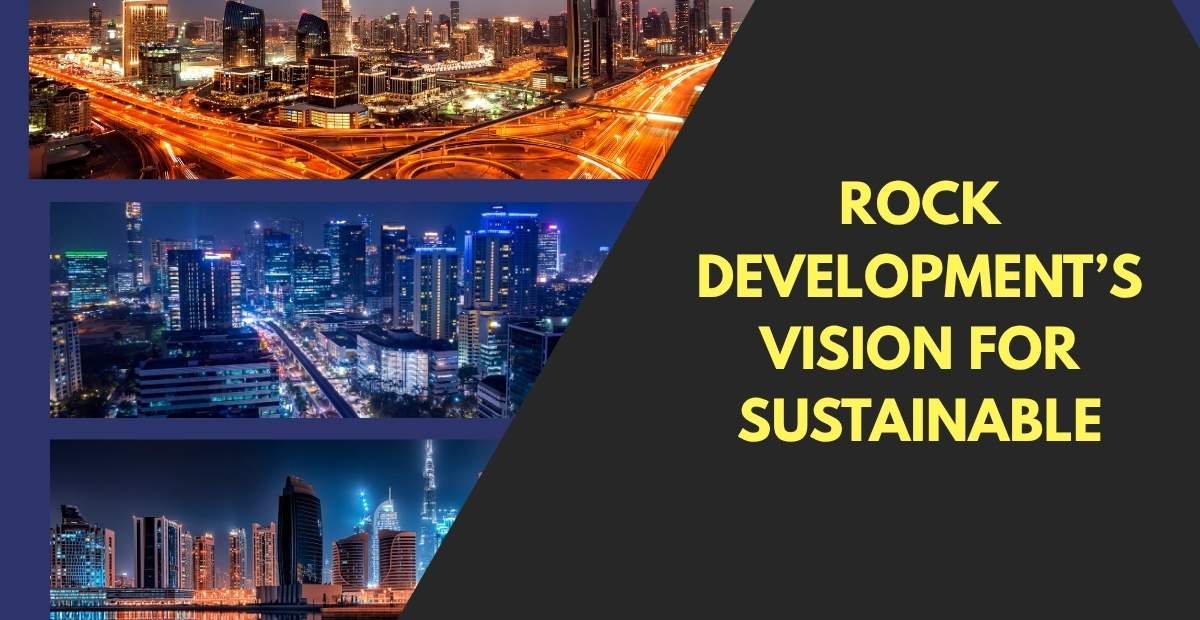
    Rock Development’s Vision for Sustainable and Modern Communities

    Rock Development is creating dynamic, future-ready communities that combine modern living with sustainability, not only erecting buildings. Their vision is one of great dedication to modern design ideas, social well-being, and environmental preservation.

    Presented point-wise, this is a comprehensive view of the fundamental ideas influencing their approach:
    Billboards Reveal Rock Yark Phase 2

    1.Green Building Design and Architecture

    Every project integrates sustainable materials and energy-efficient technologies developed by Rock Development. From green roofing and natural ventilation to solar panels and rainwater collecting systems, these elements lessen resident utility costs and environmental impact.

    2.Modern Living’s Smart Infrastructure

    Smart technology including IoT-enabled home automation, smart security systems, and energy management tools equip communities. This connectivity improves resource economy, safety, and convenience in line with modern urban people’s expectations of their way of life.

    3.Green Areas and Social Wellness

    Giving health and well-being top priority, Rock Yark projects include lots of parks, walking paths, and green spaces. These areas encourage outdoor recreation, socializing, and mental rejuvenation, so supporting a harmonic urban environment.

    4.Ecologically friendly modes of transportation

    Understanding the need of lowering carbon footprints, Rock Development promotes environmentally friendly transportation by means of specialized bike lanes, electric vehicle charging stations, and simple public transportation network access.

    5.Inclusive and Diverse Community Design

    The vision embraces inclusivity by building mixed-use projects appealing to many socioeconomic backgrounds and demographics. This method fosters active community life and social cohesiveness.

    6.Waste and Energy Management Solutions

    To reduce environmental impact, advanced systems for waste separation, recycling, and effective energy use are applied. These projects promote responsible resource use and ideas of the circular economy.

    7.Long-Term Maintenance and Improvement Dedication

    Sustainability goes beyond building; Rock Development guarantees continuous maintenance and regular upgrades to keep communities safe, modern, and ecologically benign over time.

    Conclusion

    The announcement of Rock Yark Phase 2 on billboards is evidence of Rock Development’s dedication to excellence and its awareness of market dynamics, not only of a marketing achievement. This is an invitation to be part of a legacy created on vision, trust, and unmatched quality for future purchasers and investors.
  • Is the Dubai Property Market Going to Crash? A Quick Overview

    Is the Dubai Property Market Going to Crash? A Quick Overview

    Dubai has become among the most appealing real estate markets worldwide over the years. But lately, rumours of a possible collapse in the property market of Dubai have become more frequent. Is a downturn just around the horizon, or are these worries overdone, given the city is seeing an economic surge?

    Real estate investors, homebuyers, or even curious onlookers would naturally wonder: Is the Dubai property market likely to crash? 

    Understanding the Dubai Property Market

    One should first grasp the framework of Dubai’s real estate market before exploring the prospect of a crash. Long noted for its luxury projects, fast expansion, and Middle Eastern strategic location is the city.

    It serves trade, tourism, and business worldwide. Over the years, Dubai’s property market has had plenty of highs and lows.

    The market has historically been cyclical, with times of explosive expansion interspersed with downturns.

    Early in the 2000s, a huge property boom started, which preceded the 2008 worldwide financial crisis and had a major effect on Dubai’s real estate industry.

    Still, there have been indicators of a slowdown since then. Lower oil prices, overabundance of luxury goods, and changes in the world economy have generated market uncertainty.

    Thus, is this merely another phase in the natural cycle of the market, or are we about to enter another crash? 

    The Latest Market Trends in Dubai

    Examining some of the present trends influencing the Dubai property market in 2023 and beyond will help us better evaluate the risk of a crash.

    1.    Enhancing Supply of Properties

    The overabundance of luxury properties is one of the main worries for Dubai analysts and real estate investors. The volume of residential and commercial buildings entering the market over the last ten years has surged noticeably.

    Although this seems like a good thing, especially in the luxury and high-end sectors, it could cause oversupplying.

    Particularly in areas where demand isn’t matching the increase in available properties, this oversupply can lower property values and cause price corrections.

    Although developers are eager to create more, the market might suffer downward pressure without enough renters or buyers. One important sign of whether a market will recover or go into decline is the disparity between supply and demand.

    2.    Shifting Demand Patterns

    While Dubai’s luxury hotels might be overstocked, other market sectors show more strong demand. Driven by an influx of expatriates, young professionals, and families seeking more reasonably priced living options, affordable homes and mid-range properties have stayed in great demand.

    As the middle-income group expands, Dubai’s real estate developers have begun to concentrate more on meeting this new need.

    Nonetheless, the change in demand should cause price pressure in some areas, especially in upscale luxury real estate.

    Should developers fail to match their products to the demands of the market, this could indicate a realignment of the property market.

    3.    Interest Rates and Inflation

    Interest rates play yet another role in determining Dubai’s real estate market’s future course. Rising interest rates by central banks to fight inflation have come as global economies start to recover from the epidemic.

    Higher borrowing rates can make property purchases less reasonable, particularly for buyers depending on financing.

    Rising interest rates could discourage possible Dubai buyers, especially in the luxury market, where big mortgages are usually needed. It might lower demand for luxury homes and result in price cuts.

    4.    Foreign Investment Trends

    Dubai’s real estate market is heavily reliant on foreign investments, with buyers from regions like India, China, Russia, and Europe contributing significantly to the demand.

    Over the last few years, Dubai’s government has implemented several measures to attract foreign investors, such as granting long-term residency visas to property buyers and offering various tax incentives.

    Foreign investment could, however, slow down given global economic uncertainty and stricter laws in some nations.

    Particularly in luxury real estate, Dubai’s property market may slow down if the inflow of foreign capital declines, maybe causing a price correction.

    5.    Dubai’s Economic Diversification

    One of the positive signs for Dubai’s property market is the city’s economic diversification.  Traditionally reliant on oil, Dubai has expanded its economy into sectors like tourism, finance, technology, and trade. 

    This diversification has led to a more resilient economy, providing stability in times of global economic fluctuations.

    Dubai’s property market might gain from the increasing number of foreign companies and expatriates looking to live and work in the city as it keeps positioning itself as a worldwide hub for business, innovation, and tourism.

    By means of this diversification, the real estate market could be kept under support by a robust economy, so countering a possible crash.

    Potential Risks and Challenges

    Despite the positives, there are a few risks and challenges that could pose a threat to the stability of Dubai’s property market.

    1.    Global Economic Uncertainty

    Dubai’s real estate market can be affected globally by events, including trade conflicts, recessions in big economies, and geopolitical concerns. Dubai is an international centre. Thus, a slowdown in the world economy could affect demand for both commercial and residential buildings.

    2.    Saturation in Luxury Meet

    Although the market for reasonably priced homes shows promise, Dubai’s luxury real estate market is getting near saturation. Many high-end units still unsold or vacant could lead to a price correction in the luxury market, thus influencing the general market.

    3.    Rising Costs and Construction Delays

    Dubai’s construction sector faces challenges, including rising material costs and labour shortages. These factors could increase construction costs, leading to fewer new developments or delays in project completion.  It could lead to a supply-demand imbalance that may impact prices and investor confidence. 

    Key Factors Driving Dubai’s Property Prices: A Double-Edged Sword!

    One of the most dynamic and fast-changing markets in the world is Dubai’s real estate. Over the past few years, the city has seen an amazing increase in property prices, drawing homebuyers as well as investors.

    Here is a closer examination of the main elements influencing Dubai’s property values and their two-edged nature. 

    1.    High Demand from International Buyers

    Growing Investor Interest: Thanks to its tax-free status, highly developed infrastructure, and strategic location linking the East and the West, Dubai has long been a hotbed for foreign investment.

    Expat Community: The demand for both rental and ownership properties is further enhanced by the increasing number of expatriates seeking either permanent or semi-permanent homes.

    Risk Factor: Although short-term high demand is good, over-reliance on foreign investment may cause price volatility. Political or financial unrest abroad can lower investment flow, thus affecting property values.

    2.    Expo 2020 Dubai and its Economic Impact

    Infrastructure Boom: Though postponed because of the pandemic, the Expo 2020 event resulted in significant infrastructure development all around Dubai, including hotels, new transportation systems, and exhibition venues.

    Long-Term Benefits: Expo 2020 is even more appealing to investors since it has improved connectivity and presented Dubai on the global scene, leaving a legacy. For the property market, the economic uplifting has been favourable.

    Risk Factor: Expo 2020’s long-term influence might be overstated. Should post-event demand fall short of expectations, the property market may slow down, particularly in areas extensively targeted for the event.

    3.    Government Initiative and Regulatory Support

    Tax Incentives and Visa Policies: Long-term residency visas for investors, retirees, and skilled workers are among the several projects the UAE government has launched meant to strengthen the property market.

    Flexible Financing Options: The government’s drive toward flexible mortgage options and reasonably priced homes has also helped individuals purchase real estate, influencing the price of the market.

    Risk Factor: Government backing can lead to a synthetic market stability. Should these incentives be eliminated or reduced, demand could collapse, triggering a possible market correction.

    4.    Dubai’s Real Estate as a Safe Heaven Investment

    Safe-Heaven Appeal: Amid geopolitical tensions and market instability around the world, many wealthy individuals view Dubai as a safe place to park their money. The city’s stable political environment secures its legal framework and makes it an attractive destination.

    High-Value Properties and Luxury Appeal: Dubai is home to some of the world’s most expensive and luxurious properties, such as the Palm Jumeirah and Burj Khalifa. As more millionaires and billionaires look to diversify their portfolios, high-end real estate in Dubai continues to see demand.

    Risk Factor: Although Dubai’s luxury property market gains from being a haven, this segment is usually the most erratic as outside economic conditions change.

    Is the Dubai Property Market Going to Crash

    Is a Crash Coming?

    Is the Dubai property market then about to collapse? Although there are undoubtedly issues, including oversupply in luxury homes, changing demand patterns, and the possible influence of global economic instability, government incentives and a strong demand for mid-range homes help to support the market.

    It seems doubtful that the property market of Dubai will crash catastrophically very soon. Price adjustments in some areas, especially in the luxury market, may nevertheless be necessary.

    Though the general market is strong, particularly as Dubai continues to draw both local and foreign investment, investors should be aware of the hazards connected with speculative investments. 

    Conclusion

    The Dubai property scene finds itself at a junction. Although there are hazards for investors who grasp the dynamics of the market, there are also many possibilities. Should you be thinking about purchasing real estate in Dubai, keep informed about market trends, track interest rates, and pay close attention to world economic changes.

  • Blue Line Metro Dubai: The Future of Urban Mobility

    Blue Line Metro Dubai: The Future of Urban Mobility

    Modern infrastructure, bold ideas, and creative solutions abound in Dubai. Dubai keeps stretching the envelope of what’s feasible, whether that means the tallest building in the world, the biggest shopping mall, or the most opulent hotels.

    Still, one of the most amazing and transforming initiatives under development is the Blue Line Metro Dubai, a major addition to the already vast metro system of the city.

    What is the Blue Line Metro Dubai?

    Comprising the Red and Green Lines, the Blue Line Metro is a vital addition to Dubai’s already vast metro system. Although the Red and Green Lines are now operational, the Blue Line marks a remarkable leap forward, improving access and connectivity for both residents and visitors.

    Anticipated to cover important areas of the city, the Blue Line will meet Dubai’s growing need for effective public transportation. It is meant to serve important tourist sites, corporate centres, and highly inhabited areas.

    Dubai’s dedication to sustainability and innovation drives the Blue Line to transform commuters’ travel time, speed, efficiency, and environmental impact.

    How the Blue Line Completes Dubai’s Transportation Puzzle?

    The public transportation system of Dubai already offers a range of choices, from buses and trams to cabs and water taxis. The Blue Line metro will help to connect further and simplify the mobility network of the city, providing passengers with a linked web of choices.

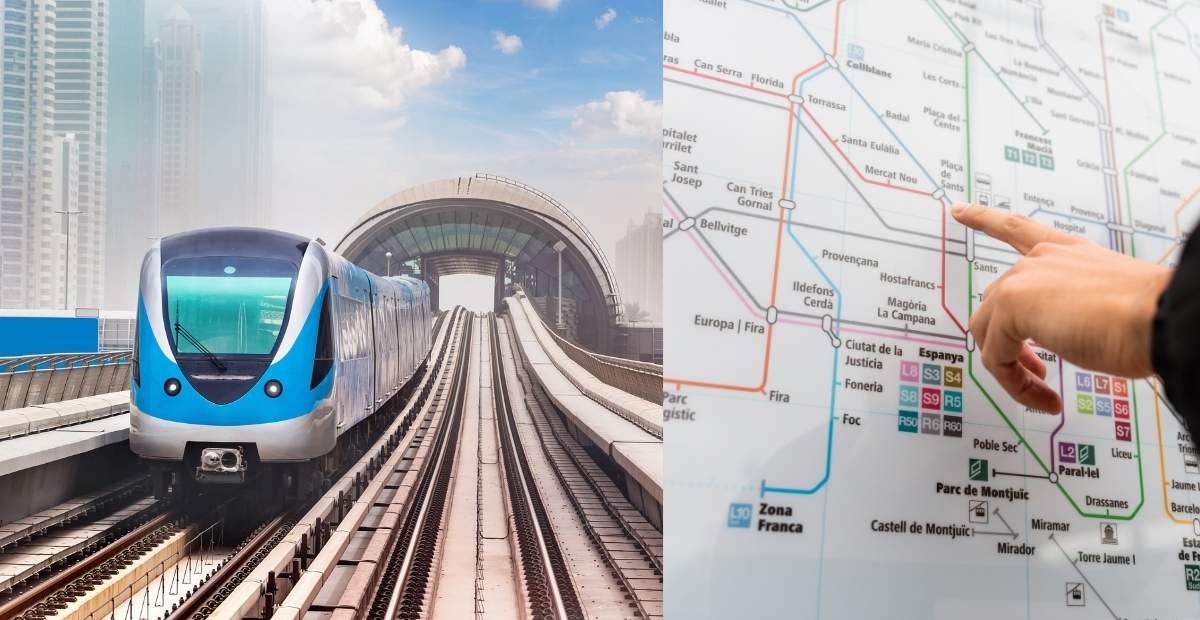
    • Complement the Red and Green Lines: The Blue Line will link the red and green lines, enabling easy hopping between several areas of the city. To get to places like Downtown Dubai or the Dubai Marina, a passenger heading from the Dubai International Airport (on the Green Line) can flip to the Blue Line.
    • Linking Key Business Hubs: Dubai is a worldwide corporate centre; thus, the Blue Line is meant to benefit areas with high business concentration. The line will guarantee professionals can get to work effectively by giving quick access to Dubai Internet City, Dubai Media City, and other business centres.
    • Connecting Tourists Hotspots: The Blue Line will also grant access to significant tourist sites, including the Dubai Marina, Burj Khalifa, and Mall. It will help visitors to avoid the traffic usually afflicting the roads and explore the finest sites of the city.

    Key Features of the Blue Line Metro

    Modern infrastructure and technologies fit Dubai’s vision of becoming a worldwide leader in public transportation. Thus, the Blue Line is meant to highlight them. The following defines some of the line’s salient features:

    Enhanced Connectivity

    The Blue Line will link several strategic sites around Dubai, including important landmarks, residential areas, and corporate sectors. Its path is meant to complement the current Red and Green Lines so that users may move between several lines to get to their destination without any trouble.

    Blue Line Metro Dubai

    Cutting-edge Technology

    The Blue Line will have driverless trains, sophisticated ticketing systems, and smart stations with the most recent conveniences, the same as the other lines in Dubai’s metro system. These technologies will raise operational efficiency in addition to enhancing the whole passenger experience.

    Eco-Friendly Design

    Sustainability is at the heart of Dubai’s urban planning. The Blue Line is expected to run entirely on renewable energy sources, reducing the carbon footprint of the city’s public transportation system.

    With climate change becoming a global issue, this step is crucial in making Dubai’s public transportation network more sustainable.

    Accessibility and Convenience

    People with disabilities will have complete access to the Blue Line, guaranteeing everyone’s comfortable metro usage. From lifts and ramps to low-floor platforms, the design stresses inclusiveness.

    The Economic Impact and Urban Development

    The Blue Line is a fundamental component of Dubai’s larger urban development plan, not only a transit project. The city has always been eager to improve its infrastructure to serve its expanding economy and population.

    Reducing traffic on the roadways and pushing a change toward public transportation will help the Blue Line support this expansion.

    Furthermore, expected to sprout around the Blue Line stations are new real estate projects and corporate developments.

    Metro expansions usually feature this type of urban development since access to effective transportation choices increases property values and generates new business and investment possibilities.

    The Impact on Dubai’s Tourism Industry

    One of Dubai’s most significant sectors of the economy is tourism; thus, the Blue Line is expected to improve the visitor experience in many different ways:

    Convenient Transportation for Tourists: Millions of people visit Dubai annually, and many of them use public transit to explore the city. The Blue Line will simplify visitors’ access to timely and reasonably priced main attractions and entertainment venues.

    Boosting Tourism Accessibility: The metro will enable visitors to reach far-off locations, including more recent city outskirts developments. Dubai’s capacity to link less-travelled areas of the city with more popular places will be a major benefit as it grows outside of its well-known landmarks.

    Reducing Traffic Congestion: Particularly in busy tourist seasons, Dubai’s crowded streets can cause protracted delays. The Blue Line will provide a quick and effective substitute for private cars and taxis, easing traffic and increasing the city’s accessibility to tourists.

    The Future Transportation in Dubai

    One component of a more overall plan aiming at making Dubai a worldwide leader in smart, sustainable transportation is the Blue Line. Dubai has already heavily committed to electric buses, driverless cars, and a completely integrated transportation system.

    The city is moving another significant forward in how people travel with the launch of the Blue Line Metro.

    Furthermore, Dubai’s emphasis on sustainability will go beyond the metro; plans call for environmentally friendly vehicles and solar-powered stations, among other green public transportation projects.

    This dedication fits Dubai’s more general aims of lowering its carbon footprint and reaching long-term environmental targets.

    Conclusion

    Officials eager to show the world the next phase of their vision for a linked, future-ready metropolis are preparing the city for its grand opening as the Blue Line project gets close to completion. Although the full effect of the Blue Line won’t be felt right away, it is abundantly evident that this new line will be essential in determining Dubai’s course.

  • China Harbour Engineering to Build Khalifa Port in Abu Dhabi

    China Harbour Engineering to Build Khalifa Port in Abu Dhabi

    The heat of the desert carries more than just dust across the UAE now. It smells clearly of global realignment, ambition, and strategy. Abu Dhabi’s coast is about to experience a fresh wave of change arriving on the tide of a large-scale infrastructure project.

    Khalifa Port: The Region’s Rising Trade Titan

    Rising steadily to become among the most advanced deep-water ports in the Middle East is Abu Dhabi’s Khalifa Port. Recognised for its semi-automated container terminal and central location between Abu Dhabi and Dubai, Khalifa Port already significantly influences world trade routes. Still, a new alliance is poised to highlight its importance much more.

    China Harbour Engineering Company (CHEC): The Builder of Ambition

    Major China Communications Construction Company subsidiary China Harbour Engineering Company formally assumed the lead building role for a notable expansion at Khalifa Port. The agreement reflects deepening trade ties and rising strategic interests between China and the UAE, not only a building contract.

    CHEC is not new for aspirational marine engineering. From port developments in Sri Lanka to dredging activities in Africa, the company has repeatedly shown its capacity to carry out major, highly technologically advanced infrastructure projects. Its attention now moves to Abu Dhabi, where vision meets accuracy.

    Khalifa Port: Key Features and Strategic Importance for Abu Dhabi

    Strategic Importance For Khalifa Port: 

    Khalifa Port, strategically located in the heart of Abu Dhabi’s industrial zone, stands as one of the most advanced and largest deep-water ports in the UAE and the wider Middle East.

    Opened in 2012, it has rapidly emerged as a key pillar in the UAE’s maritime infrastructure, enabling seamless connections between global trade routes and regional markets. The port is designed to accommodate the world’s largest container vessels, positioning it as a crucial maritime hub for both importers and exporters.

    Key Features of Khalifa Port:

    • Strategic Location and Connectivity
    • Advanced Infrastructure and Technology
    • Integration with Khalifa Industrial Zone (KIZAD)
    • Economic and Trade Catalyst
    • Sustainability Initiatives

    Why This Deal Matters: Infrastructure Meets Geopolitics

    This is not only about increasing capacity. The development will help the UAE become much more important as a worldwide shipping hub, connecting Asia, Europe, and Africa. CHEC’s engagement embeds Khalifa Port deeper into a network of trade corridors defining 21st-century logistics while China’s Belt and Road Initiative (BRI) shapes port infrastructure globally.

    Technical mastery, job creation, and more port traffic are gains Abu Dhabi gets. China uses cranes, cargo, and concrete to deepen its hold on the Gulf rather than military outposts.

    Port Features: What Will Be Built?

    The new development’s extent covers:

    •   Deep-water berths for mega-vessels.
    •   A new container terminal to increase handling capacity.
    •   Advanced automated systems to simplify port operations.
    •   Elements of sustainable design to fulfil environmental targets.

    Part of a multi-year strategy, the investment supports smart logistics integrations, digital infrastructure improvements, and more automation in line with world port trends.

    Economic Impact: More Than Just Trade

    For Abu Dhabi, this project supports its 2030 Economic Vision—diverse from oil and investing in sustainable, logistics-based development. The expansion of the Khalifa Port will be a job engine, a magnet for foreign direct investment, and a backbone for developing businesses.

    For companies, the enlarged port promises shorter shipping times, more competitive freight rates, and a simplified link to developing markets across Africa and South Asia.

    Looking Ahead: Shaping the Future of Trade

    Under China Harbour Engineering, this is choreography rather than just building. Every pile pushed into the seabed, every crane raised against the Gulf sky, announces a fresh global movement rhythm. Khalifa Port is no more a regional centre for Abu Dhabi. It is on route to rank among the main trade arteries of a multipolar planet.

    Conclusion

    China Harbour Engineering moves not only dirt. It changes the power distribution. Every wharf, canal, or high-speed train has a blueprint for impact behind it. The supplies are known concrete, steel, and cranes. But the plan is… That is developed in Beijing boardrooms, not only in employment sites.
    The global south has to ask itself as CHEC projects keep growing: Are we signing a contract or purchasing a port?