Day: November 7, 2025

  • What Is the Population of Dubai? Updated Figures and Insights

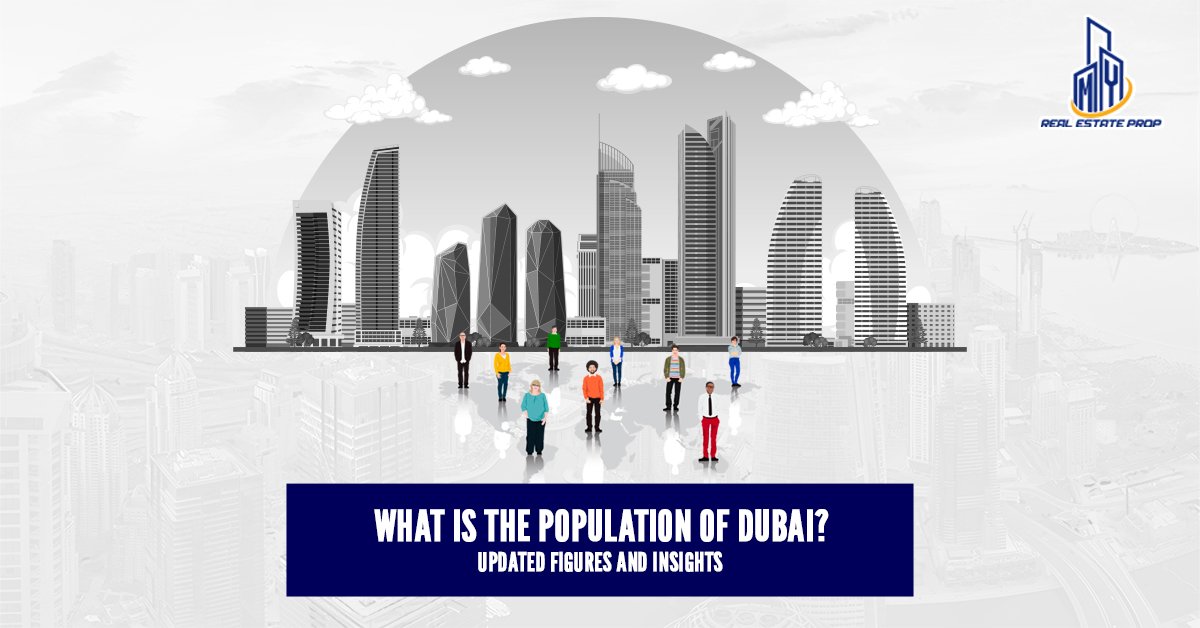
    What Is the Population of Dubai? Updated Figures and Insights

    The city’s population continues to surge, driven by record-breaking migration, booming business opportunities, and world-class infrastructure. What Is the Population of Dubai today is more than just a number it’s a reflection of its unstoppable growth and global appeal. This article explores the latest population figures, growth trends, and key insights that define Dubai’s dynamic demographic landscape, offering a clear picture of who lives in this ever-evolving city and where it’s headed next.

    Why Dubai’s Population Keeps Growing Every Year? 

    Dubai’s population isn’t just growing, it’s thriving at a pace that few global cities can match. The city has transformed into a magnet for opportunity, drawing people from every corner of the world. From its booming economy to its unmatched lifestyle, there are several factors fueling this steady rise.

    1. Employment opportunities

    With sectors like technology, finance, tourism, and real estate constantly expanding, professionals from Asia, Europe, and Africa continue to relocate here in search of better careers and higher living standards.

    1. Government policy

    Initiatives such as the Golden Visa, Green Visa, and remote work programs have made it easier for entrepreneurs, skilled professionals, and even freelancers to call Dubai home for the long term.

    1. Lifestyle appeal

    Also plays a major role. Safe streets, luxury amenities,
    world-class healthcare, and tax-free income make it an attractive destination for families and individuals alike. The city’s year-round events, cosmopolitan culture, and growing sustainability focus continue to enhance its global reputation.

    Dubai Demographics: Nationalities, Age, and Workforce Structure

    Dubai’s demographics perfectly capture its identity as a melting pot of cultures and talent. The city’s population is made up of people from more than 200 nationalities, working together in one of the world’s most diverse urban environments.

    1. Nationalities and Expat Composition

    A striking feature of Dubai’s population is its expatriate majority, with around 88% of residents being foreign nationals. The largest communities come from India, Pakistan, Bangladesh, the Philippines, and Egypt, followed by professionals from the UK, Europe, and Africa. Emirati citizens make up roughly 12% of the population, a small but central part of the city’s leadership and heritage.

    2. Age Distribution and Workforce Dynamics

    Dubai’s population is young and dynamic. Nearly 70% of residents are between 25 and 44 years old, forming the backbone of the city’s workforce. This youthful age group powers Dubai’s economy across industries like technology, logistics, construction, hospitality, and finance.

    3. Workforce Structure and Employment Trends

    Dubai’s workforce is known for its skill diversity. While a large segment is engaged in construction, retail, and transport, there’s a growing shift toward digital services, AI, and green economy sectors. The government’s vision for a knowledge-driven economy is steadily reshaping employment trends, creating new opportunities for skilled expatriates and Emiratis alike.

    Factors Driving Dubai’s Rapid Population Growth

    Dubai’s remarkable population surge is no coincidence; it’s the result of strategic economic planning, global talent attraction, and a vision for inclusive development. Several key factors continue to drive the city’s rapid demographic expansion year after year.

    1. Economic Opportunities and Job Creation

    Dubai’s diversified economy remains the top magnet for migration. Once reliant on oil, the city has expanded into industries like finance, tourism, logistics, technology, and real estate. Thousands of multinational companies operate here, attracting professionals from around the world who seek career growth and tax-free income.

    2. Business-Friendly Policies and Visas

    Initiatives like the Golden Visa, Green Visa, and Freelance Permit have redefined Dubai’s residency landscape. These long-term programs allow skilled professionals, investors, and entrepreneurs to settle with greater stability, directly increasing the city’s permanent population base.

    3. Global Connectivity and Infrastructure

    Dubai’s strategic location connecting East and West and its world-class infrastructure play a massive role in population growth. With Dubai International Airport being one of the busiest globally and seamless access to 200+ destinations, the city is a natural magnet for global citizens.

    4. Real Estate Expansion and Affordable Living Options

    The continuous development of residential communities such as Dubai Hills, Jumeirah Village Circle, and DAMAC Lagoons has encouraged more people to move and stay long-term. From luxury penthouses to mid-range apartments, Dubai caters to every demographic families, professionals, and investors alike.

    5. Lifestyle Appeal and Safety

    Ranked among the safest cities in the world, Dubai offers a high standard of living, quality healthcare, and world-class education. Its mix of modern luxury, cultural diversity, and leisure experiences (from beaches to theme parks) attracts both residents and tourists looking to make it home.

    Population Density and Urban Distribution

    Dubai’s population is not only large but also strategically distributed across a city designed for balanced urban growth. Every district in Dubai tells a different story from bustling business zones to peaceful suburban neighborhoods creating a vibrant mix of residential, commercial, and cultural communities.

    1. Population Density Overview

    As of 2025, Dubai’s population density averages around 860 people per square kilometer, but this figure varies greatly depending on the area. Highly urbanized zones like Bur Dubai, Deira, and Business Bay experience densities far above the average, while newer master-planned communities on the outskirts offer more open space and lower density.

    2. High-Density Areas

    Central districts such as Downtown Dubai, Dubai Marina, and Jumeirah Lake Towers (JLT) are home to a mix of professionals and expatriates. These neighborhoods feature high-rise towers, mixed-use developments, and close proximity to offices and entertainment hubs making them hotspots for singles and young couples.

    3. Medium-Density Areas

    Communities like Al Barsha, Jumeirah Village Circle (JVC), and Mirdif represent a balanced density level. These areas attract both families and working professionals due to their accessibility, affordability, and presence of schools and healthcare facilities.

    4. Low-Density and Suburban Areas

    On the other end of the spectrum, suburban zones such as Arabian Ranches, Dubai Hills Estate, and DAMAC Hills are designed for families seeking spacious villas, parks, and a quieter lifestyle. The city’s urban planning ensures that as population grows, these outer areas continue to expand sustainably.

    5. Urban Planning and Future Distribution

    Dubai’s 2040 Urban Master Plan divides the city into five major zones each focused on a specific function such as business, leisure, or housing. This ensures that population growth aligns with infrastructure development, reducing congestion while maintaining quality of life.

    Dubai Population vs Other Emirates and Global Cities

    City / Emirate Population 
    Dubai 3.7 million
    Abu Dhabi 1.7 million
    Sharjah 1.5 million
    Doha (Qatar) 2.3 million
    Singapore 5.9 million
    Hong Kong 7.3 million
    London 9.6 million
    New York City 8.9 million

    How Dubai Ranks Globally in Urban Population Density?

    Dubai’s urban landscape stands as a unique blend of high-density living and strategic city planning, a rare combination among major global cities. While its population has surged past 3.7 million, the emirate’s well-organized infrastructure allows it to sustain growth without overwhelming its urban systems.

    1. Dubai’s Density in Numbers

    As of 2025, Dubai’s average population density is approximately 860 people per square kilometer lower than traditional megacities like Mumbai (32,000/km²) or Hong Kong (6,800/km²), but higher than Abu Dhabi, which maintains vast stretches of desert and lower residential clustering. This balance gives Dubai the advantage of urban efficiency without congestion, maintaining spaciousness despite rapid demographic expansion.

    2. Comparison with Global Cities

    Globally, Dubai ranks as a moderately dense urban city, competing closely with metropolitan hubs like Los Angeles and Singapore. However, its vertical skyline featuring areas like Business Bay, Dubai Marina, and JLT contributes to concentrated density pockets that rival some of the world’s most populated business districts.

    3. The Role of Planning and Innovation

    Unlike cities that expanded organically, Dubai’s growth has been deliberately engineered. Master-planned zones, sustainable housing layouts, and continuous public transport upgrades (like the Dubai Metro and upcoming Blue Line) help the city manage density smartly.

    4. Looking Ahead

    Under the Dubai 2040 Urban Master Plan, population clusters are expected to redistribute evenly across five key centers Deira/Bur Dubai, Downtown/Business Bay, Marina/JLT, Expo City, and Silicon Oasis. This approach will ensure that future density increases remain sustainable and livable.

    What Dubai’s Population Growth Means for Investors and Residents?

    Dubai’s fast-growing population is more than just a demographic trend it’s a signal of expanding opportunities for both investors and residents. Each year, the rising number of people choosing to live and work in Dubai reshapes its real estate market, business landscape, and overall lifestyle ecosystem.

    1. Real Estate Demand and Property Value Growth

    As more expatriates and families settle in the city, demand for housing continues to surge. This has led to consistent appreciation in property prices and higher rental yields, especially in areas like Dubai Hills Estate, Business Bay, and Jumeirah Village Circle. Investors benefit from stable rental income, while homeowners enjoy rising capital value.

    2. Retail and Consumer Market Expansion

    A growing population naturally means more consumers. This fuels Dubai’s retail, e-commerce, and hospitality sectors, leading to steady growth in consumer spending. Brands and investors entering the market now can tap into this expanding audience particularly in family entertainment, dining, and lifestyle segments.

    3. Job Creation and Economic Stability

    Population growth directly supports the employment market. As companies expand operations, demand for skilled professionals increases. This stability attracts long-term residents and ensures a steady influx of working professionals, further strengthening Dubai’s economy.

    4. Infrastructure and Lifestyle Upgrades

    The government’s proactive approach to urban development ensures that population growth doesn’t compromise quality of life. With new metro lines, schools, and healthcare facilities being added regularly, residents enjoy modern convenience and high living standards.

    5. A Safe Haven for Global Investors

    Dubai’s demographic expansion is also a reflection of its global reputation as a safe, politically stable, and business-friendly hub. With attractive tax laws, transparent regulations, and ongoing mega-projects like Dubai Creek Harbour and Expo City, investor confidence remains strong.

    Sectors Benefiting from Rising Population (Retail, Education, Healthcare)

    Dubai’s rising population has become a catalyst for multi-sectoral growth, creating a ripple effect across industries that serve both its residents and global visitors. As millions of new residents continue to move to the city, certain key sectors are reaping the biggest rewards particularly retail, education, and healthcare.

    1. Retail and Consumer Goods

    With more than 3.7 million residents and a steady stream of tourists, Dubai’s retail industry continues to thrive. Shopping is deeply embedded in the city’s lifestyle from the world-famous Dubai Mall to community-centered shopping destinations like City Centre Deira and Nakheel Mall.

    2. Education and Academic Institutions

    As families continue to settle in Dubai, the education sector has experienced exponential development. The city now boasts over 220 private schools, catering to various international curricula (British, American, Indian, IB). New communities such as Dubai Hills, Jumeirah Village Circle, and Arabian Ranches 3 are witnessing a surge in school construction to meet demand. 

    3. Healthcare and Medical Services

    Dubai’s population boom has accelerated demand for high-quality healthcare services. The government’s heavy investment in medical tourism, smart hospitals, and digital health platforms has made healthcare one of the city’s most promising industries.

    Conclusion: 

    Dubai’s population story is far more than just numbers on a chart; it’s a reflection of the city’s vision, resilience, and global appeal. From a small pearl-diving town to a thriving metropolis of over 3.7 million residents, Dubai has continuously reinvented itself to meet the needs of an ever-expanding population. For investors, this means consistent opportunities in real estate, retail, healthcare, and education. For residents, it promises a future defined by innovation, comfort, and community. 

  • Azizi Developments Latest Premium Residence Launch in Al Jaddaf, Dubai

    Azizi Developments Latest Premium Residence Launch in Al Jaddaf, Dubai

    Azizi Developments has launched its latest premium residential project in Al Jaddaf, Dubai, adding another milestone to its growing real estate portfolio. The launch comes at a time when Dubai’s property market continues to post record performance, with more than 50,000 homes sold and office rents rising by 35% year-on-year in the third quarter of 2025, according to data from the Dubai Land Department (DLD). The move reinforces investor confidence and highlights sustained demand for luxury housing in the city’s central districts.

    Q3 by the Numbers

    Metric Q3 2025 Value YoY Change
    Residential Sales Volume 50,000+ Units +22%
    Transaction Value AED 140 Billion +28%
    Office Rent Growth +35%
    Occupancy Rate 88% +5%

    Key Takeaways:

    • Dubai recorded its highest-ever quarterly property transactions.
    • Corporate relocations and visa reforms continue to drive demand.
    • Developers are accelerating new launches to match investor appetite.

    Residential Market: Sales, Prices, and Hot Spots

    Dubai’s residential market remains in a growth cycle, supported by both local and foreign investor demand. Off-plan sales such as Azizi’s newly launched Al Jaddaf project accounted for nearly 65 percent of total residential transactions in Q3 2025.

    Area Avg Price per sq.ft Avg ROI Market Trend
    Al Jaddaf AED 1,250 6.8% Strong uptick
    Business Bay AED 1,600 6.5% Stable
    JVC AED 1,050 7.2% Rising investor interest

    Developers are focusing on high-connectivity zones near Dubai Creek and Downtown, while compact luxury apartments are emerging as preferred investments among new buyers and expats.

    Commercial/Office Market: Rents, Demand, and Supply

    Grade Avg Rent (AED/sq.ft) Occupancy Rate Commentary
    Grade A 180 90% Supply shortfall in core zones
    Grade B 120 84% Stable demand
    Grade C 80 70% Moderate leasing activity

    Office space in Dubai continues to tighten, with Grade A properties nearing full occupancy. Demand from tech, fintech, and professional-services firms has sustained the rent surge. Analysts expect continued upward pressure through 2026 as new Grade A inventory remains limited.

    Supply Pipeline & Developer Activity

    The launch of Azizi’s new Al Jaddaf residence forms part of Dubai’s broader construction surge. Developers are expanding premium offerings aligned with the Dubai 2040 Urban Master Plan.
    Notable Q3 2025 Project Highlights:

    • Azizi Developments: Premium Residence, Al Jaddaf – mid-rise tower with luxury finishes, Dubai Creek views, and smart home integration.
    • Emaar Properties: Creek Harbour Phase 3 launch.
    • Sobha Realty: Hartland Heights Residences.
    • Damac Properties: Harbour Crown Towers.
    • Together, these projects underscore Dubai’s shift toward integrated urban communities combining luxury, accessibility, and lifestyle amenities.

    Demand Drivers

    Key macro and demographic factors fueling Dubai’s property momentum include:

    • Population growth: Expected to exceed 3.8 million residents in 2025.
    • Golden Visa initiatives: Encouraging long-term investment.
    • Tourism recovery: Sustaining short-term rental demand.
    • Foreign capital inflow: Especially from India, Europe, and GCC.
    • Robust economic growth: Supported by diversification beyond oil.

    Risks & What to Watch

    While the market remains strong, analysts note several areas of caution:

    • Potential oversupply in mid-tier apartments.
    • Rising construction costs linked to global inflation.
    • Interest-rate uncertainty affecting mortgage uptake.
    • Regulatory adjustments on short-term leasing.
    • Despite these factors, most forecasts remain positive through 2026.

    Expert Quote / Attribution

    “Dubai’s real estate fundamentals remain solid, supported by demographic expansion and sustained investor appetite. Premium developers like Azizi continue to align launches with end-user demand and evolving urban trends,” CBRE Middle East Q3 2025 Market Report.

    Data Notes & Methodology

    Data compiled from the Dubai Land Department (DLD), CBRE Research, and Construction Week Online. Figures reflect Q3 2025 registered transactions, average asking rents, and occupancy data across key submarkets.

    Final Word

    Azizi Developments’ latest project adds to Dubai’s strong property momentum, reaffirming its position as one of the world’s most active and resilient real estate markets heading into 2026.

  • Dubai Marina Dubai Real Estate Guide

    Dubai Marina Dubai Real Estate Guide

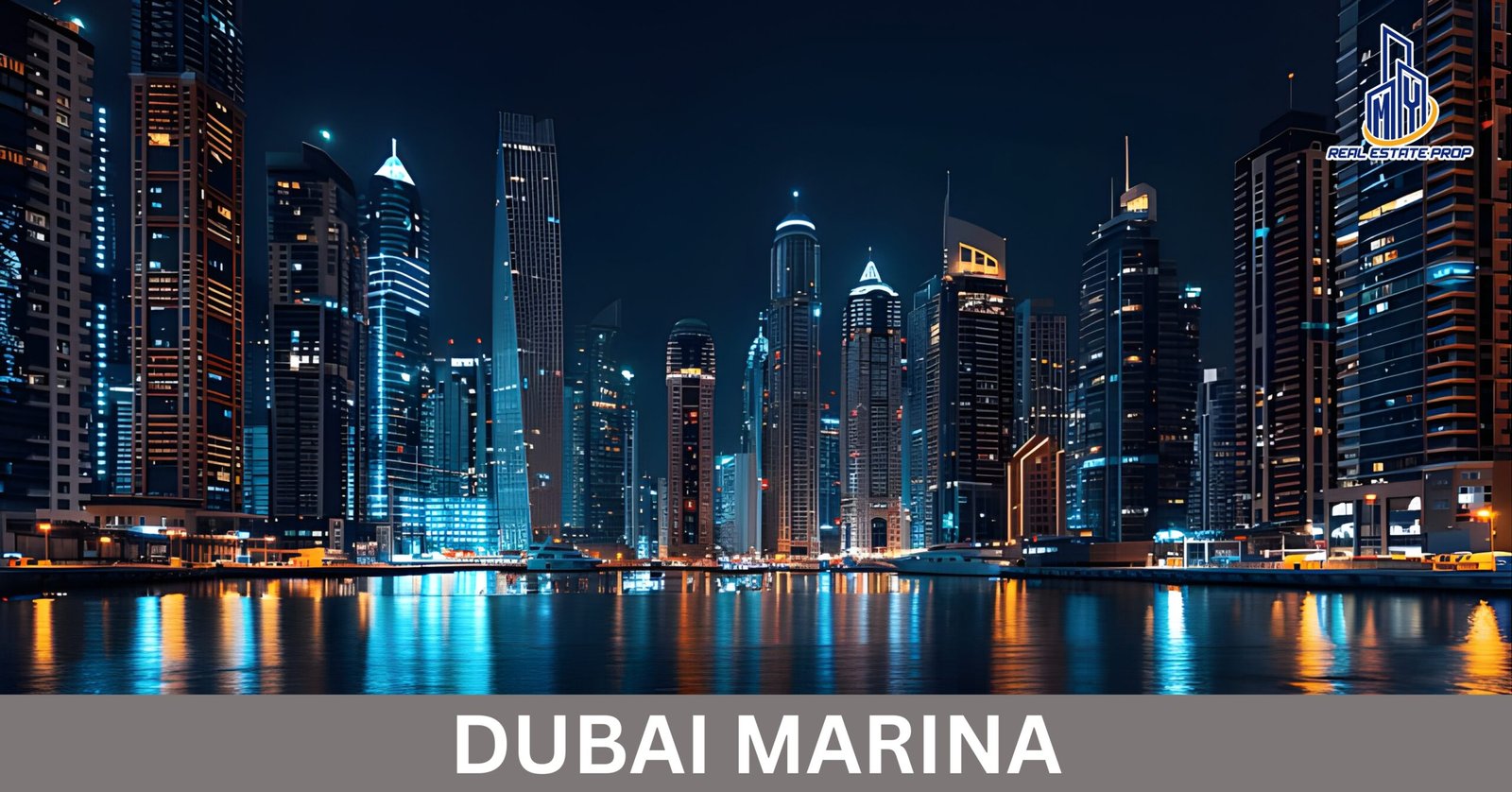
    Dubai Marina, Dubai real estate is more than just a postcode, it’s a lifestyle destination that marries waterfront chic, high‑rise vibrancy, and investor promise. Nestled along Sheikh Zayed Road in central‑south Dubai, Dubai Marina offers sweeping marina and Arabian Gulf views, access to beach‑living and city‑life in one. For residents, it’s a sleek urban residence with leisure and connectivity; for investors, it stands as one of the most sought-after zones in Dubai’s real‑estate landscape thanks to its premium location, strong global appeal, and proven rental demand.

    Quick Overview: Dubai Marina

    Feature Details
    Location Central / South Dubai
    Developer Emaar Properties
    Property Type Apartments, Villas, Penthouses
    Average ROI ~6.5%
    Starting Price AED 1 Million
    Nearest Metro Burj Khalifa / Dubai Mall Station

    Key Highlights / Why Choose Dubai Marina?

    Dubai Marina stands out for several compelling reasons that appeal to both lifestyle buyers and investment‑minded parties.

    • Premium lifestyle & urban connectivity
    • Iconic architecture and skyline views
    • Proximity to business hubs
    • Family‑friendly community
    • Excellent investment opportunities

    Location & Connectivity

    Dubai Marina is located along the Persian Gulf’s edge on the western side of Dubai, running parallel to Sheikh Zayed Road. It neighbours communities such as Jumeirah Beach Residence (JBR), Palm Jumeirah, and is within reach of central business districts.

    Destination Distance / Drive Time
    Dubai International Airport ~15 minutes
    Dubai Marina (within the area)
    Business Bay ~5 minutes
    Jumeirah Beach ~10 minutes

    Nearby Attractions & Landmarks

    • Burj Khalifa – World’s tallest building
    • The Dubai Mall – One of the largest shopping destinations globally
    • Dubai Fountain – Stunning evening fountain show
    • Souk Al Bahar – Arabian‑style shopping and dining complex
    • Dubai Opera – Cultural & entertainment hub

    Popular Properties in Dubai Marina

    • Burj Khalifa Residences – Developed by Emaar Properties, offering panoramic views and premium finishes.
    • The Address Downtown – Serviced residence tower combining hotel‑style amenities with residential investment.
    • DAMAC Maison – Branded residence concept within Dubai Marina offering studio to 3‑bed apartments.
    • Emaar Boulevard Heights – Mid‑premium residential tower by Emaar for 1‑, 2‑, and 3‑bed units.
    • The Lofts – High‑rise luxury apartments designed for panoramic Marina views and upscale living.

    Property Types & Price Trends

    Property Type Average Size Average Price Rental Yield
    Studio 450 sq.ft AED 1.2 M 6.0%
    1‑Bed Apartment 700 sq.ft AED 1.8 M 6.2%
    2‑Bed Apartment 1200 sq.ft AED 3.5 M 6.5%
    3‑Bed Apartment 1800 sq.ft AED 5.2 M 6.8%

    Market Insights & Investment Potential

    • Strong and consistent rental demand thanks to location and views.
    • High ROI potential: 6–7% typical.
    • Freehold ownership rights for foreigners.
    • Strong resale market and new off‑plan projects.

    Amenities & Lifestyle

    • Schools: GEMS Wellington Primary School, Dubai International School
    • Healthcare: Emirates Hospital Clinic, Mediclinic Downtown
    • Retail & Leisure: The Dubai Mall, Bay Avenue Mall, Restaurants, and nightlife options.

    Things to Do & Entertainment

    • Shopping, dining, and nightlife along Marina Walk and JBR.
    • Cultural events at Dubai Opera.
    • Family walks along the Dubai Fountain.
    • Rooftop dining experiences with skyline views.

    Pros & Cons of Investing in Dubai Marina Real Estate

    Pros Cons
    Prime central location Higher property prices
    Iconic landmarks nearby Limited parking in peak hours
    Strong ROI Crowded tourist area

    Ideal for Luxury Property Investors

    • Luxury property investors
    • Expats seeking a central lifestyle
    • Families wanting premium amenities
    • Corporate professionals

    Expert Tips for Buyers & Renters

    • Check the developer’s reputation.
    • Compare off‑plan and ready projects.
    • Evaluate ROI before committing.
    • Work with RERA‑certified brokers.

    Conclusion

    Dubai Marina Dubai Real Estate continues to redefine modern urban living in the city’s ever-evolving skyline. As one of the most prestigious and visually captivating districts in Dubai, it seamlessly blends cosmopolitan charm with the serenity of waterfront living. Whether you’re walking along the Marina Walk, dining at world-class restaurants, or admiring the yachts that line the canal, every corner of Dubai Marina reflects sophistication and lifestyle convenience.